
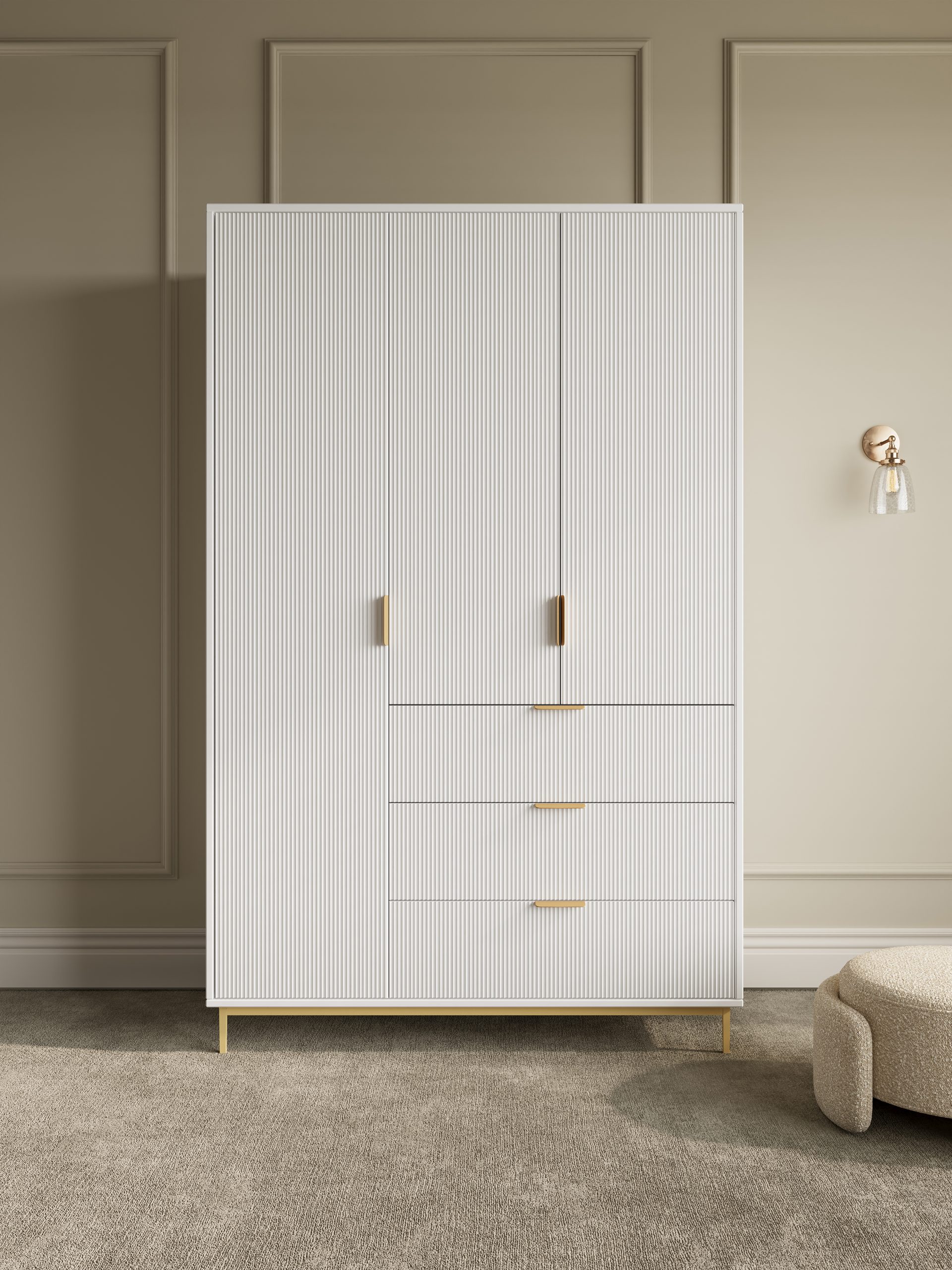
Opening: why a comparison matters
Choosing solid wooden kitchen cabinets is more than picking a look — it’s balancing materials, joinery, finish and cost against how you live. This comparative guide walks you through the trade-offs, using clear examples and real-world reference points like IKEA’s influence on modular kitchen expectations to ground the advice. If you’re sourcing bespoke pieces or working with a larger producer, check the approach of a trusted wardrobe manufacturer early on to see how production methods map to quality.
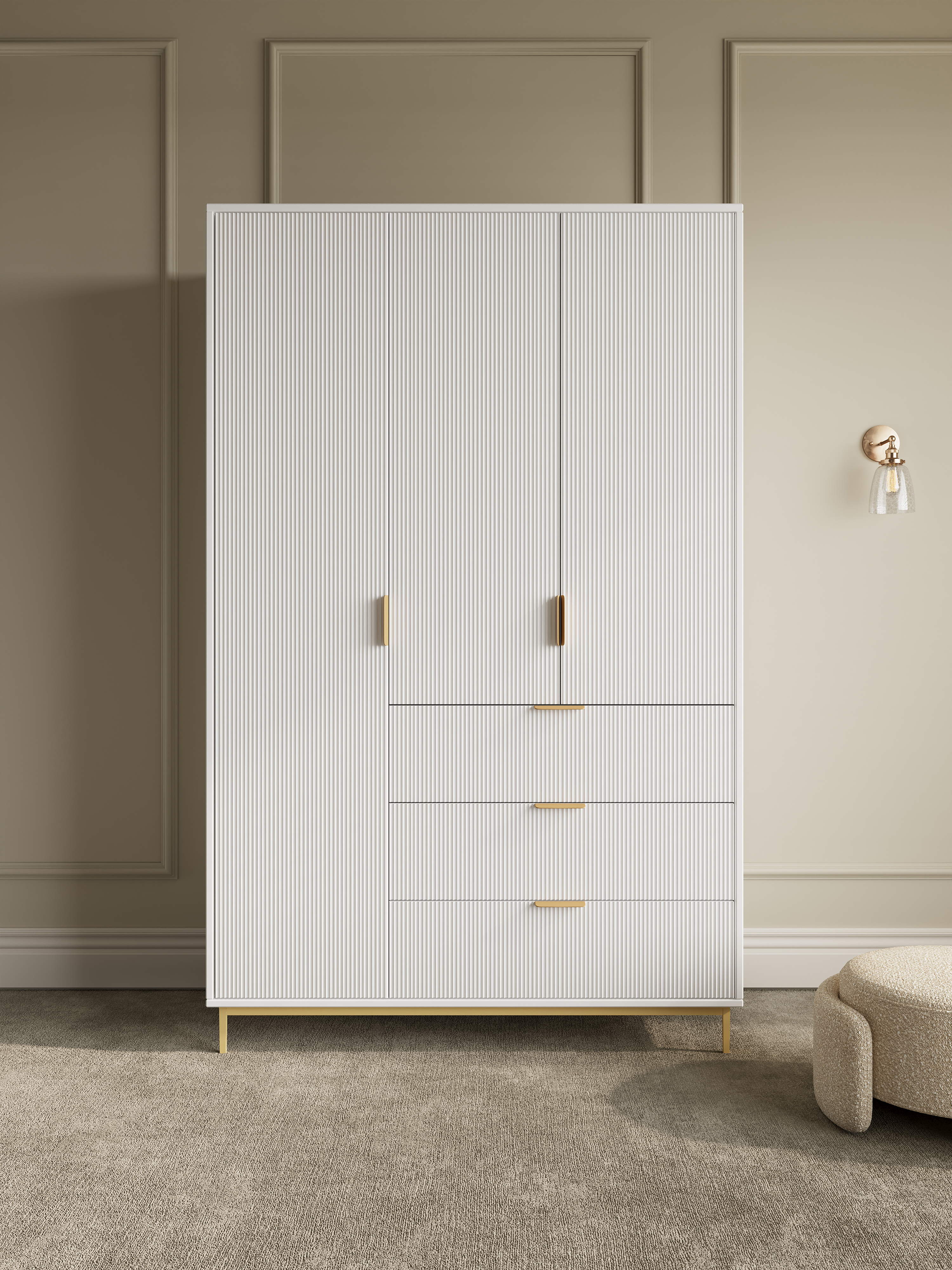
What to compare first: species, stability and longevity
Start with wood species. Solid hardwoods such as oak, maple and walnut offer different hardness, grain and color stability. Oak resists dents; maple sands smooth. For kitchens you want wood that tolerates humidity swings while keeping its finish. Solid wood kitchen cabinets perform best when the core material and door faces are from the same family — that reduces warping over time. Consider veneering only if you need consistent grain at a lower price, but avoid thin veneer on cheap substrate; it shows quicker.
Joinery and construction: where real value hides
Look beyond panels to joinery. Dovetail joint drawers and mortise-and-tenon frames last decades; cheap dowels and glue don’t. Modern workshops often use CNC routing for repeatable precision, but CNC alone doesn’t guarantee longevity — the choice of core board and edge banding matters too. Properly executed, these technical choices let you repair parts rather than replace whole units, which pays off long-term.
Finish, hardware and everyday wear
Finish decisions are practical. Hard-wearing lacquers and conversion varnishes protect against splashes; oil treatments show the wood’s character but need re-oiling. Hardware—soft-close hinges, full-extension runners—affects daily comfort and can be swapped later. A smooth finish with good sealing at joins prevents moisture ingress. Small detail: ensure edges are sealed and the cabinet boxes have adequate ventilation to avoid trapped humidity during seasonal changes.
Price vs performance: where to spend
Spend on the elements that matter: solid hardwood doors, robust joinery and quality hardware. Save on cabinetry boxes when veneered plywood or MDF with proper lamination is acceptable—just avoid particleboard in humid kitchens. The price curve flattens after you secure the structural items; decorative upgrades cost more but rarely change durability. — It’s tempting to skimp on labor or install, but poor fitting undoes good materials fast.
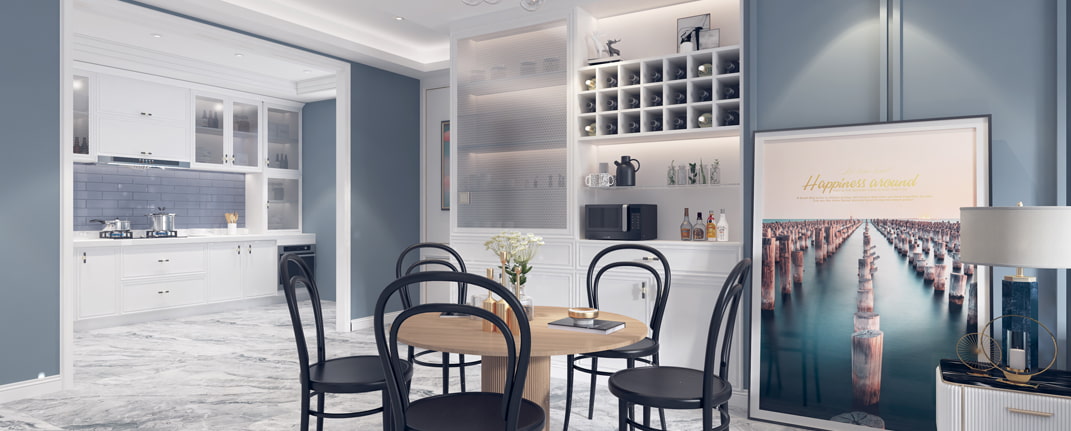
Common mistakes and how to avoid them
Avoid three repeated errors: selecting species for looks rather than stability, neglecting joinery in favour of panel thickness, and ignoring supplier transparency. People often underestimate installation tolerances; cabinets must be adjusted to walls and floors on site. When dealing with suppliers, request clear production details like material certificates, edge banding methods and finish processes. For larger orders, comparing a local custom shop with a wardrobe wholesale provider helps reveal economies of scale versus custom control.
Supplier evaluation checklist
Assess suppliers on three concrete points: 1) Material sourcing — confirm species and core board type; 2) Process transparency — ask about CNC programs, edge sealing and quality checks; 3) Aftercare — warranty terms and spare-part availability. Request photos of past projects and a visit to a showroom or factory if possible. Real-world anchors like established modular brands show how repeatable systems reduce cost without necessarily sacrificing quality, so use that benchmark when judging suppliers.
Advisory close: three golden rules
1) Prioritize structure over style — solid hardwood doors, dovetail drawers and good hardware outlast trends. 2) Demand production clarity — know the core materials, finish systems and joinery methods before signing. 3) Balance custom and scale — choose a partner who offers consistent fabrication (for predictability) while allowing the bespoke touches you want. These metrics reduce surprises and protect your investment.
SNIMAY fits this balance by combining repeatable manufacturing standards with design flexibility — practical craftsmanship that keeps the dream intact. — Solid choices last; pick them.

