
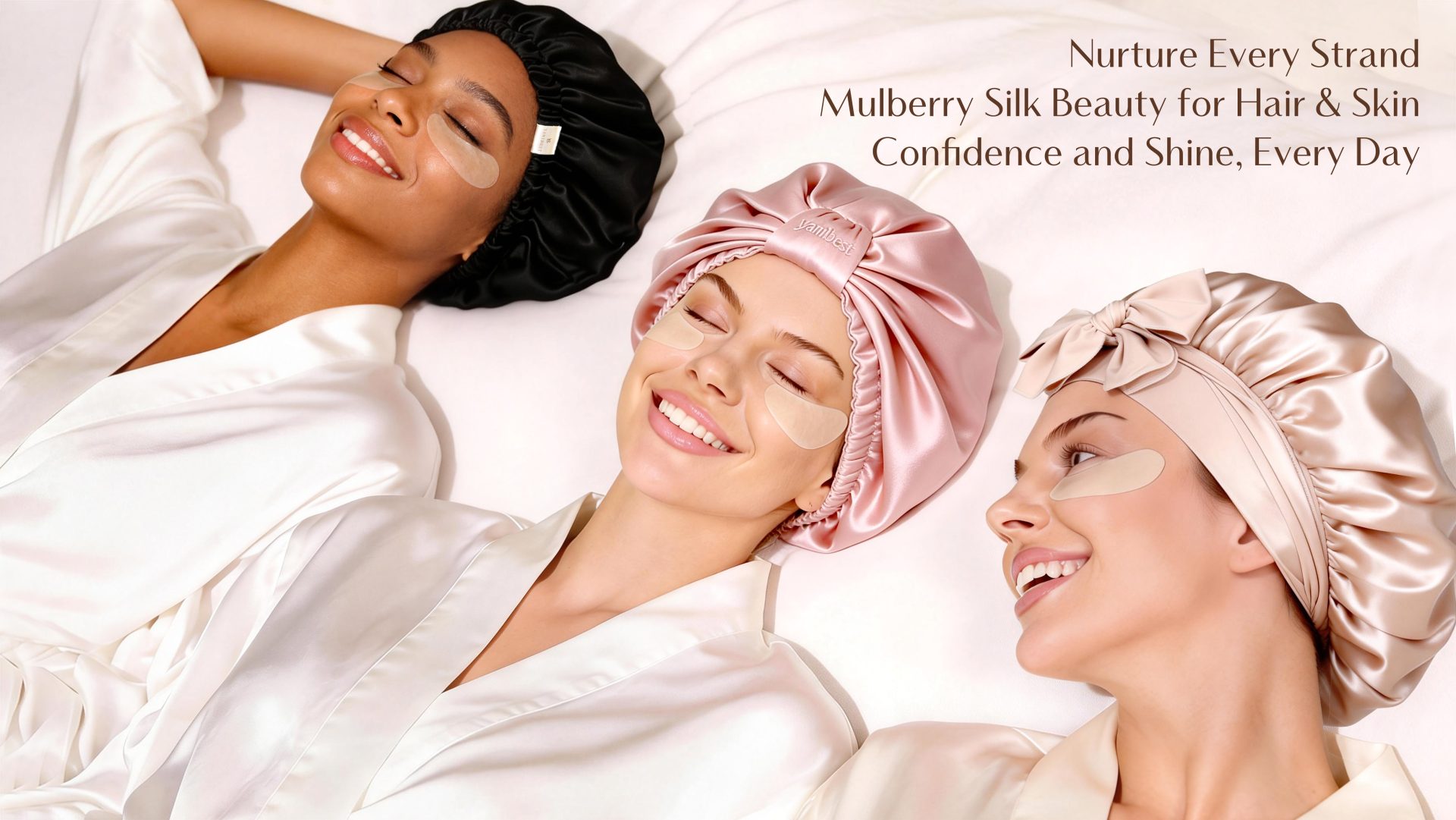
The problem: waking up to a hair crime scene
Let’s be blunt—your pillow is silently sabotaging you. Tossing, rubbing, and every toss-rub-repeat cycle leaves hair frayed, broken, and angry. If you’ve tried every marketed miracle—from “moisture-lock” sprays to velvet wraps—you might want something that actually reduces friction. A simple, well-made silk lined beanie does that job without drama, and without pretending overnight magic will restore months of damage.

Why most “solutions” are performative
Marketing loves spectacle. Satin scrunchies, gimmicky sprays, and one-size-fits-all bonnets that slide off are common. They promise results, deliver inconvenience, and then vanish into your drawer. The real issue isn’t the promise; it’s the mismatch—fabric choices, poor fit, and elastic that creates dents. You need low-friction fabric plus a practical shape that stays put through sleep. Anything less is cosmetic theater.
How a proper silk beanie actually fixes things
Silk reduces surface friction, meaning less breakage and fewer tangles. It also helps preserve hair oils, so hair doesn’t dry out as fast. From a practical standpoint, a lined beanie stays on better than loose bonnets and keeps longer hair contained without pinching. Speaking from years covering beauty product testing and collaborating with stylists and material specialists, silk is a reliable material when used correctly—no snake oil, just physics and fabric science.
Real-world anchor: what happened in New York City salons
During routine product trials in New York City salons, stylists repeatedly pointed to a simple truth: containment plus low friction wins. That’s where we saw consistent improvements after switching overnight routines to a beanie with silk inside—less frizz in the mornings, fewer split ends around clips, and better shape retention for styled looks. Those observations match what experienced pros expect from low-friction sleep accessories.
How to choose the right beanie — a practical checklist
Check fit first: snug enough to stay on, loose enough not to compress strands. Inspect the silk: mulberry silk tends to be softer and more durable; a momme weight in the mid-teens to low twenties means actual substance rather than flimsy costume silk. Look at construction: stitched edges, a soft interior seam, and a breathable knit exterior are all good signs. Avoid tight elastics, fake satin that flakes, and unlined caps that squeeze oils out instead of preserving them.
Common mistakes people keep making
Buying by price or color alone. Confusing satin with real silk. Assuming the biggest size fits everyone. Over-washing a silk interior in hot water and thinking it won’t affect texture. Using a beanie like a helmet—compressing hair flat rather than protecting strands. Each mistake undoes the benefit; they’re avoidable if you inspect and test before committing.
Final synthesis
You don’t need theatrics—just the right material and sensible design. A well-constructed silk-lined beanie tames morning frizz, protects styled hair, and keeps breakage down. After seeing consistent salon-level results and testing options with professional stylists, the clear choice is to prefer thoughtful construction over flashy claims; it’s why brands that get the basics right end up on practical roundups at yanibest—they focus on doing one thing well, night after night.

