
Introduction: data that demands attention
Across large farms and contracting fleets, attention to operator seats is shifting from comfort to measurable safety outcomes. A clear anchor: the UK Health and Safety Executive reported that, in 2019/20, work‑related musculoskeletal disorders were responsible for roughly 9.9 million working days lost in Great Britain—a high‑level signal that seating matters. This article takes a data‑driven view of how an appropriate agriculture seat changes risk profiles for field crews, balancing objective metrics with practical choices for producers and fleet managers. The analysis focuses on vibration exposure, posture support, and material resilience as primary drivers of operator outcomes.
What the data shows: measurable reductions in harm
Studies across machinery sectors consistently link improved seat design to lower rates of back strain, reduced fatigue, and fewer lost workdays. Key performance indicators include whole‑body vibration estimates, hours‑to‑fatigue under identical tasks, and incidence of reported discomfort over seasonal cycles. Where suspension and vibration damping are integrated, field measurements often show a clear drop in transmitted vibration—translating to less spinal loading and a smaller prevalence of musculoskeletal complaints among drivers. Design elements such as lumbar support, an adjustable seat pan, and shock absorption directly influence these metrics.
Materials and construction: why PVC and composites matter
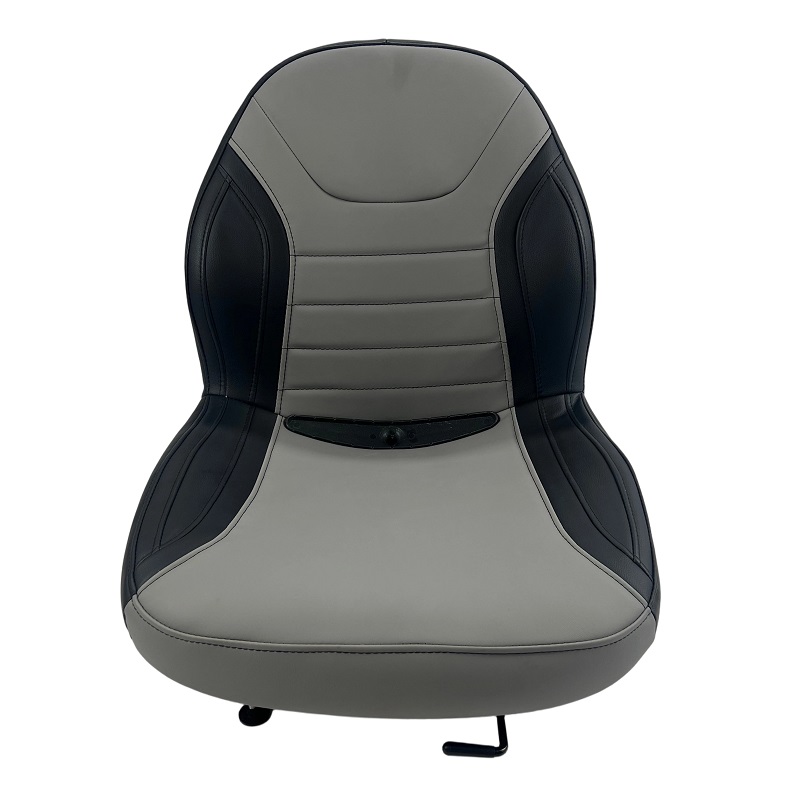
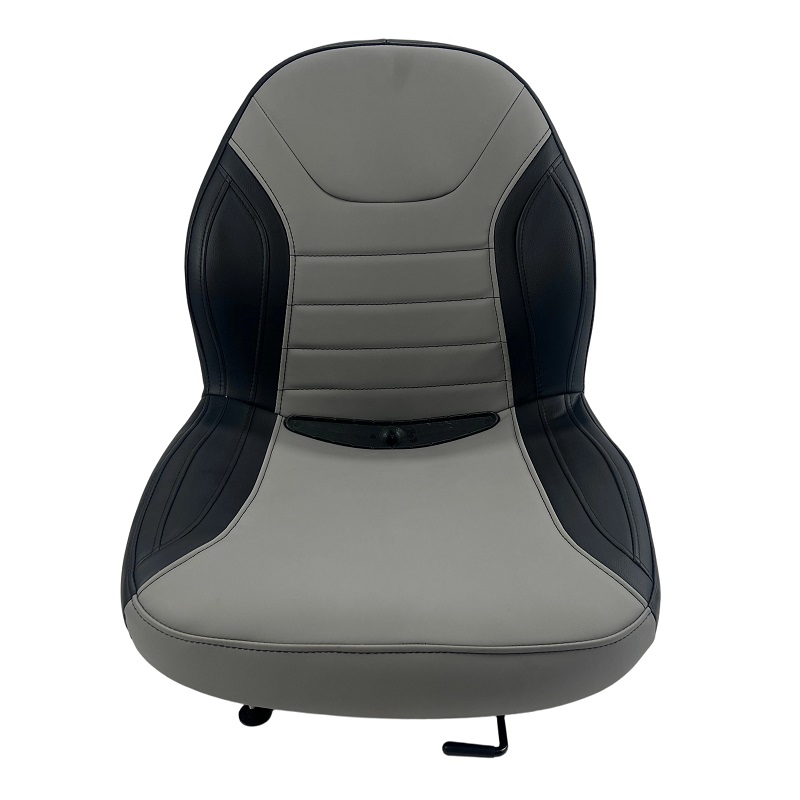
Materials determine durability, maintenance, and user experience. A well‑specified pvc tractor seat offers water resistance, straightforward cleaning, and a predictable wear profile in harsh agricultural environments. Polymer covers combined with foam that maintains resilience under repeated compression preserve cushion geometry and lumbar alignment. For operations that run long hours across rough terrain, the tradeoff between breathability and longevity favors robust PVC blends—provided the seat includes adequate suspension and anti‑slip surface treatments to secure the operator.
Design features that deliver safety gains
Not all seats are equal. Features that correlate with lower injury rates include multi‑axis suspension, adjustable lumbar support, and a correctly sized seat pan. Armrests and swivel bases reduce awkward twisting during tool changes and cab entry, and a recline feature helps redistribute load during prolonged idling. These are not mere comforts; they change biomechanical exposure. When procurement teams quantify vibration reduction in meters per second squared (m/s²) and compare it to baseline machine values, the result is a reliable predictor of operator well‑being.
Common mistakes during specification and installation
Teams often underestimate installation impact—mounting angle, pedestal isolation, and cab floor stiffness all affect delivered performance. A frequent error is pairing a high‑end cushion with inadequate pedestal suspension; the resulting system performs no better than its weakest component. Another misstep is ignoring seat adjustability ranges, which leaves shorter or taller operators improperly supported. —A final, practical slip: failing to test seats under real load cycles rather than short bench checks, which masks long‑term compression and foam breakdown.
Comparing options: tradeoffs and alternatives
Choices span basic foam seats, PVC‑covered tractor seats, and advanced air‑suspension systems. Basic foam is economical but degrades faster under heavy use. A pvc tractor seat forms a middle ground—resilient and easy to maintain, with better moisture resistance than cloth covers. Air‑suspension seats offer superior vibration isolation but add cost and maintenance complexity. Decision logic should weigh average daily hours, terrain severity, and maintenance capacity; each factor shifts the optimal balance between upfront cost and long‑term operator health outcomes.
Advisory: three golden rules for selection
1) Measure baseline exposure: record vibration (m/s²) and operator hours to set target reduction goals. 2) Specify system performance, not just components: require validated suspension and seat pan dimensions with documented lumbar support range. 3) Field‑test under real duty cycles for at least a full workweek before fleet‑wide adoption—this reveals foam creep and installation effects. These metrics give procurement teams clear pass/fail criteria and measurable ROI on safety.
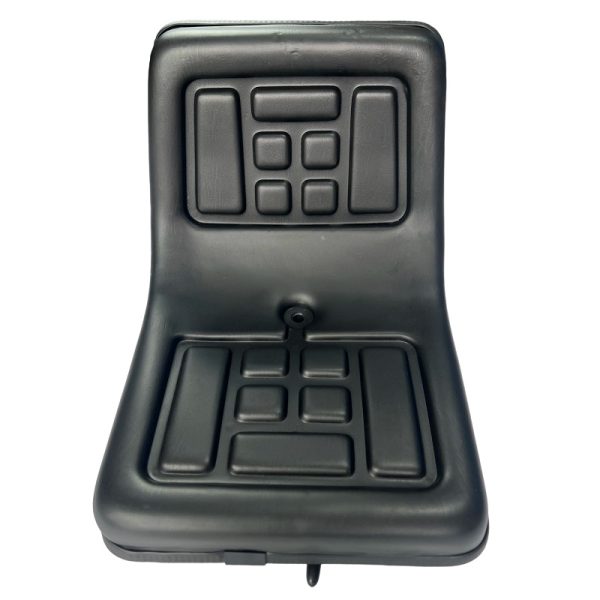
Source One brings proven seating solutions and installation practices that match these rules—aligning product durability with operator safety and fleet uptime. Source One. —Consider the operator first; the machine will follow.

