

Where the problem starts
Production teams feel the pinch when small batches, exact tolerances and strict traceability collide. Machines that rush parts, people who repeat inspection steps, and layouts that force extra handling all add variation and risk. That’s why designers and engineers often lean on an intelligent conveyor system to smooth flow and reduce manual touchpoints—because movement, if not controlled, becomes the root cause of defects and lost hours.

Why hand-offs and transfers break things
Each transfer between workstations is a failure mode. Parts misalign, labels miss scans, components pick up contamination. These micro-failures pile up into rework, delayed lots and audit headaches. From a UX perspective, operators stop trusting the line and compensate with informal workarounds that hide data and make validation harder.
Which automation fixes actually matter
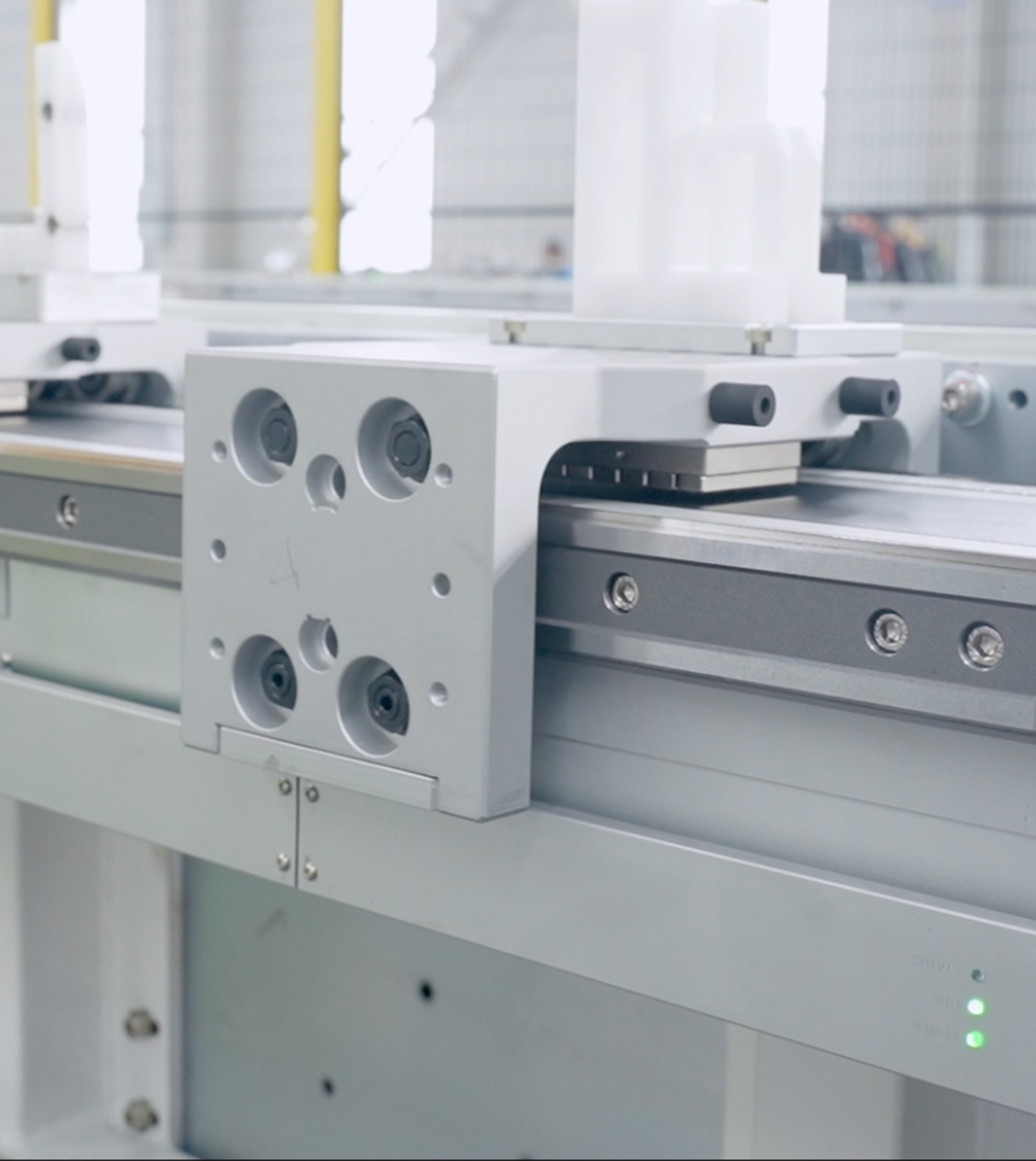
Not every robot or sensor is a win. The most effective moves address specific pain points and keep human needs central:- Aligning orientation automatically so vision checks are consistent.- Minimizing open handling to preserve cleanliness and reduce inspection time.- Standardizing hand-off timing to let downstream machines sync predictably.- Adding lightweight operator feedback where human judgment is still required.An automation production line transfer system can solve orientation and timing issues, but it must be tuned to part geometry and cleanroom constraints; otherwise it just shifts the problem.
Practical integration steps that preserve quality
Start with tight, observable experiments. Run a five-station mock sequence on a bench before buying large conveyors. Use these steps:- Map each touch: who, why, and frequency.- Define acceptable variance for alignment and timing.- Prototype a guided transfer (fixture + light sensor) and measure defect rate.- Iterate with operators until the motion feels predictable.These simple cycles reduce surprises during validation and speed regulatory review because they produce measurable change, not promises.
Common pitfalls and how to avoid them
Teams often trip over the same mistakes:- Over-automation: automating low-value steps that mask upstream variation.- Ignoring ergonomics: machines that make operators work around them.- Skipping traceability: forgetting to integrate device IDs into transfer events.- Underestimating maintenance: precision transfers need calibration plans.Address these by pairing automation choices with clear KPIs, operator input sessions and scheduled checks. I’ve seen design teams recover two lost shifts a month simply by fixing one recurrent transfer misalignment—small fixes add up.
Regulatory and production alignment
Regulators expect reproducible control. Automation designed with clear logs and part-level events simplifies audits and complaint investigations. Use traceable timestamps, retain sensor snapshots for out-of-spec events and keep change records concise. Referencing recognized practices like ISO 13485 when documenting validation steps keeps reviewers focused on outcomes, not architecture debates.
Real-world signal
Industry showcases such as the Medica trade fair in Düsseldorf regularly feature transfer and material-handling solutions because manufacturers there and worldwide face the same constraints—proof that this challenge is practical, not theoretical.
Decision checklist for product teams
Ask these before you commit:- Does the transfer reduce touches or just relocate them?- Can operators override safely and easily?- Are part IDs carried through each transfer event?- Is cleaning access and maintenance straightforward?- Can the system be validated within your current documentation structure?Answering these makes automation a tool that supports production, rather than a new failure point.
Final synthesis
When you treat transfers as design problems—visible, testable and humane—you cut defects and restore operator confidence. Thoughtful automation ties motion to data, preserves cleanliness and makes audits simpler. That approach is what practical teams need; it’s also what partners who work across medical assembly lines deliver, as seen in industry showcases and practitioner experience. The right mix of guided transfer, clear feedback and maintainable hardware creates predictable throughput and traceability, which is the real value FHS brings to production teams.

