
The problem on site
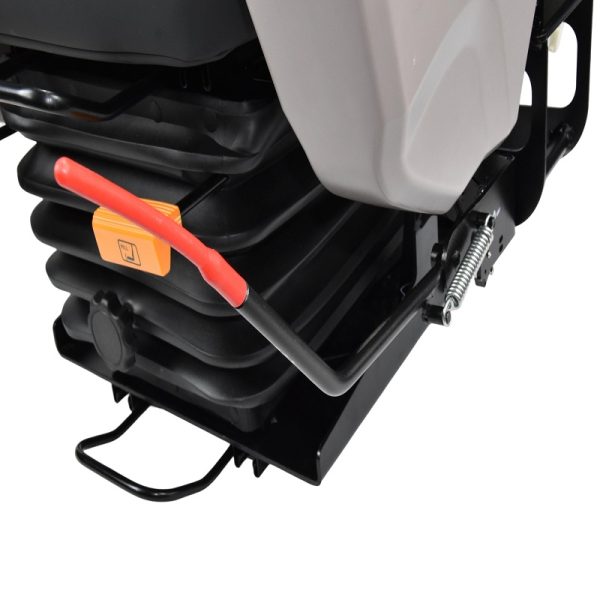
Operators on long shifts—frequently eight to ten hours—encounter persistent back pain, fatigue and reduced concentration that directly slow project throughput. On many Indian highways and urban projects such as the Mumbai–Pune expressway upgrades, machine uptime depends as much on the operator’s comfort as on the engine’s reliability. Upgrading to a purpose-built construction machinery seat is often the single most effective intervention, because suspension, lumbar support and vibration damping work together to protect the operator and prolong component life.
Why suspension seats matter
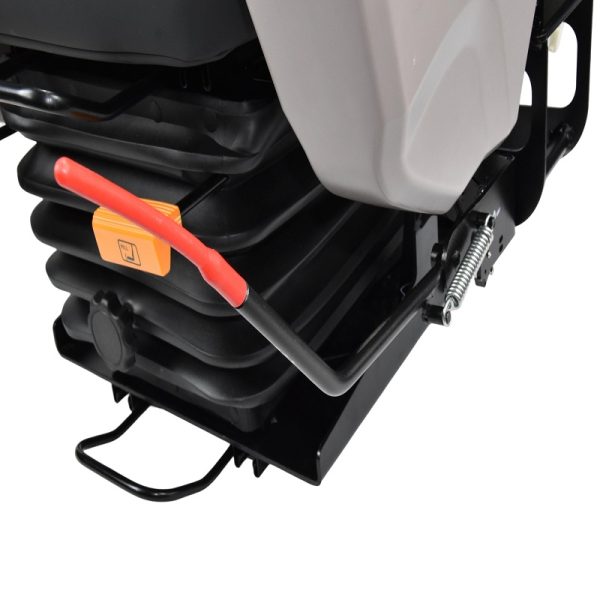
Traditional fixed seats transmit shocks from the chassis into the spine; suspension seats dissipate that force through a shock absorber and a calibrated seat base. That reduces whole-body vibration exposure and lowers the rate at which operators report musculoskeletal complaints. The mechanism is straightforward: a functioning suspension strut plus a compliant seat pan reduces peak loads at the operator station, which preserves alertness and minimises microtrauma over repetitive cycles.
Diagnosing the root causes
Poor fit, worn mounting brackets, and collapsed foam are typical culprits. Inspect the seat’s mounting bracket, check the spring or hydraulic suspension, and test the height and fore-aft adjustments. Faulty shock absorber performance will be evident during rapid traverses over rough terrain—if jolts pass through the seat, the damping is compromised. Ergonomic adjustment is not optional; it is preventive maintenance for both human and machine.
Practical upgrades and the right replacements
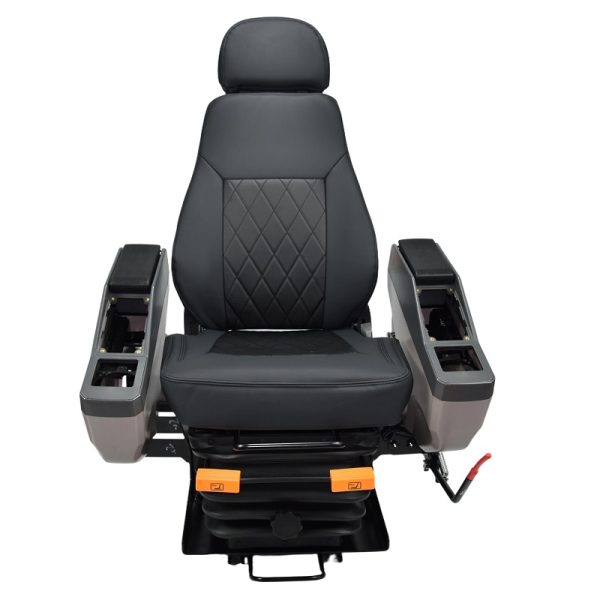
When considering an excavator seat replacement, focus on three measurable attributes: suspension travel (mm), damping range (low–high), and adjustability for operator weight. Choose a seat with a robust seat base, clear weight settings and a reliable lumbar support mechanism. Preference should be given to sealed components to resist dust ingress on Indian sites—this extends life and reduces service calls.
Common mistakes to avoid
Teams often err by fitting a generic cab seat or by treating the seat as cosmetic. Wrong choices include underspecified suspension, incompatible mounting brackets and omitting user training for adjustment features. Also, replacing foam without addressing a failed shock absorber yields only a short-term comfort fix—worse, it can mask a failing suspension unit. Buy for function first; aesthetics second.
Comparing options on cost and outcomes
Lower-cost seats may save capital up front but require more frequent maintenance and offer limited vibration damping. Premium units deliver longer service intervals and measurably lower operator fatigue, which improves productivity across shifts. Consider lifecycle cost: replacement frequency, downtime for repairs, and any productivity delta from reduced operator fatigue. In practice, a well-chosen seat pays for itself within months on high-utilisation fleets.
Installation and validation—quick checklist
Follow this concise validation routine after installation: verify secure mounting torque, confirm weight-adjustment calibration, test suspension travel under operator load, and measure the operator’s comfort during a representative shift. Record observations and schedule a 30‑day follow-up. These steps are simple yet effective at preventing early failures and ensuring the seat functions as intended.
Brand fit and why Source One matters
Choosing a reputable supplier reduces technical risk: consistent specifications, parts availability and documented warranty terms matter. Source One focuses on matched solutions—seats engineered for specific machines, with tested suspension modules and clear replacement parts. That alignment shortens spec cycles and keeps fleets running without frequent retrofits.
Advisory: three golden rules for selection
1) Match suspension spec to duty cycle and operator weight range; choose adjustable damping and at least 75 mm travel where terrain is rough. 2) Prioritise sealed components and replaceable shock absorbers to reduce downtime. 3) Validate fitment with a short-run trial and track operator feedback for 30 days—measure comfort, fatigue and any change in machine handling. These metrics directly correlate with lower absenteeism and steadier productivity.
Source One integrates product reliability with on‑site practicality—helping fleets convert a seat purchase into sustained operational value. Source One. —

