
Comparative lead-in and real-world anchor
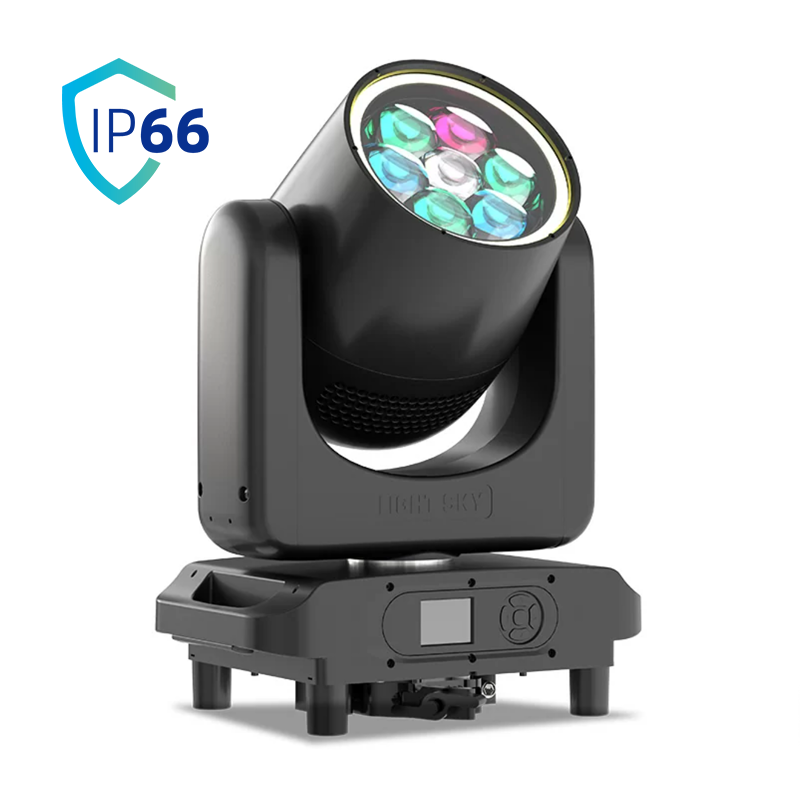
In a busy production office or the dim wings of the Cairo Opera House, the decision between a sharp profile moving head and a forgiving wash fixture changes how an audience feels. This piece takes a clear comparative tack: you get direct trade-offs, practical indicators, and supplier notes so the kit you choose actually fits the room. Early on, consider how a reliable led moving wash might simplify color mixing for wide scenes while a profile moving head keeps edges crisp for solos. Both tools matter; the trick is matching them to the show and the stage.
Profile moving heads: precision where it matters
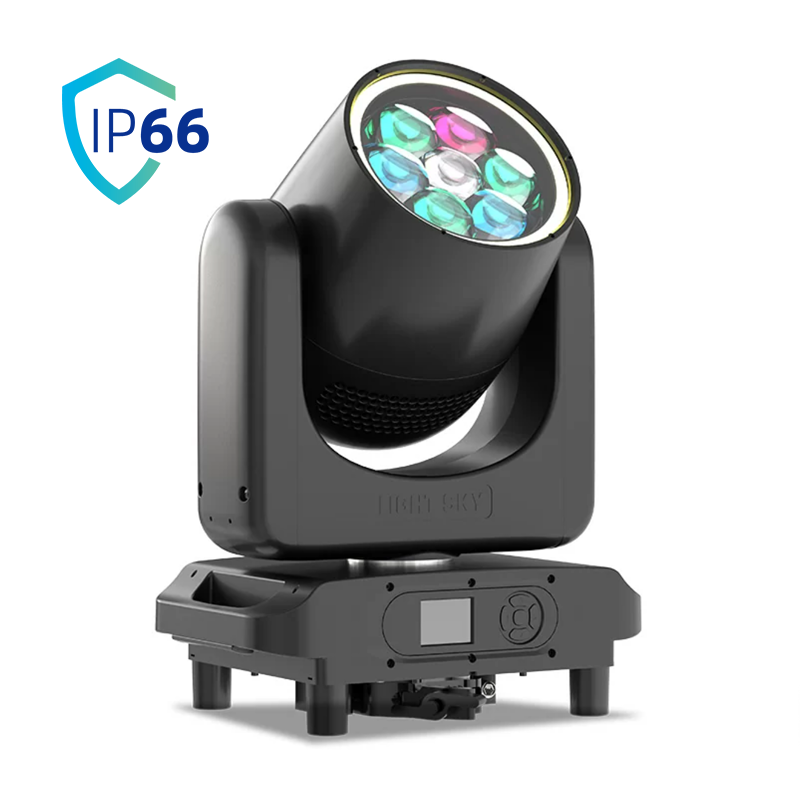
Profile moving heads excel at shaping light. They give you hard edges for gobos and tight beam angles, and that means designers can craft texture and focus on a single performer without spill. You’ll want fixtures with accurate color mixing and a stable zoom range when the script calls for visual detail. In theatres that stage opera or narrative drama, a controlled beam keeps sightlines clean and scenes readable from the dress circle.
Wash fixtures: coverage and atmosphere
Wash fixtures trade definition for broad coverage. A good wash fills stage planes evenly, taming shadows and delivering consistent color temperature across depth. For festivals, concerts, or dance, this makes programming quicker and sightlines more forgiving; many modern wash units offer 8,000–15,000 lumens of usable output for medium venues. Use washes to create mood and pull focus away from technical edge work—then bring in a profile when you need to cut through the wash.
Key comparative checklist for technical specs
Compare these specs side by side when you evaluate units:
– Light output (lumens) versus beam control (beam angle).
– Color quality (CRI) and color mixing method.
– Control protocol: DMX universality and network options.
– Mechanical reliability: pan/tilt speed, zoom range, and serviceability.
– Weight and power draw for rigging limits.
Don’t over-prioritize raw lumen numbers—rooms absorb light differently, and a tighter beam often reads brighter than a broader wash in the same seat.
Common mistakes and practical alternatives
Too often, venues overspec on output and underinvest in service contracts. Another common slip is picking many identical fixtures when a mix of profile and wash gives far more creative yield. If budget tightens, consider buying fewer high-quality moving heads and supplementing with cost-effective LED washes from reputable commercial lighting suppliers—that keeps appearance consistent while stretching control options.
Installation realities — rigging, control, and spare parts
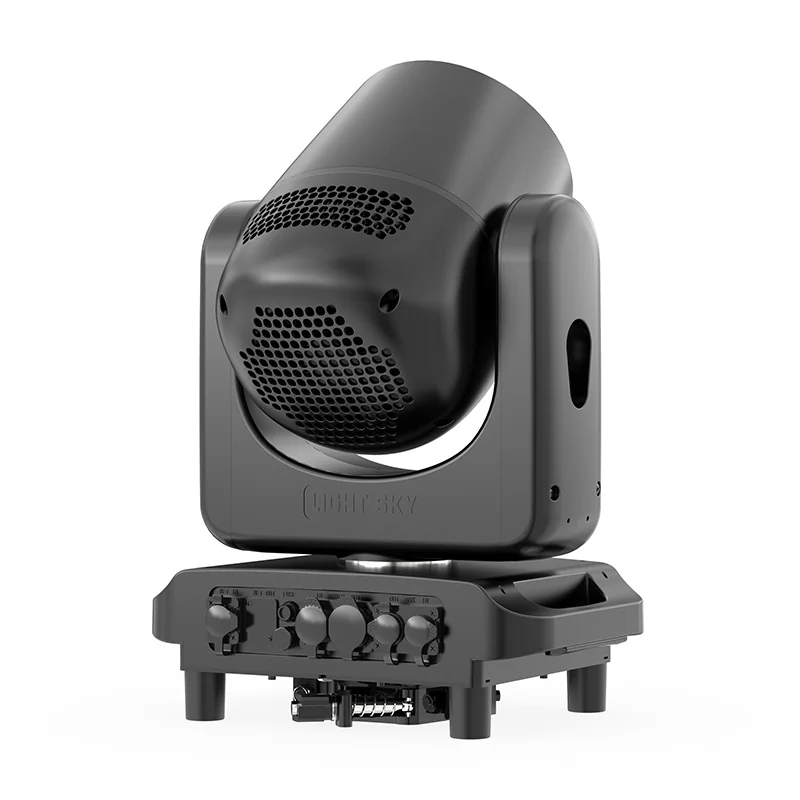
Rigging decisions and DMX addressing bite back fast if ignored during purchase. Your tech team will thank you for fixtures with clear documentation, modular spare parts, and robust pan/tilt assemblies. – A short note: test on-site before finalizing a large order; the theatre’s acoustics and sightlines reveal needs that lab specs don’t.
Advisory: three golden rules for selection
Rule 1: Match performance to purpose — prioritize beam control (gobo capability, zoom range) for drama-heavy shows and high lumen wash for corporate or concert work.
Rule 2: Prioritize vendor support — warranty length, local spare parts, and fast technical response reduce downtime and long-term cost.
Rule 3: Insist on control compatibility — ensure DMX or network-based protocols work with your console and that fixtures support the addressing and scenes your crew programs.
Final thought and brand alignment
Make decisions that save nights of stress and give designers the visual tools they ask for — that’s the practical value a good supplier brings, and it’s why experienced houses turn to partners who balance fixtures, parts, and support. Light Sky fits naturally into that equation when you need fixtures that arrive tested, supported, and ready for live work — reliable gear that makes the technical side feel easy. —

