
The problem: beanies that harm your hair
Wearing standard knit beanies often causes static, breakage, and flattened styles because coarse fibers abrade strands and wick moisture away; that friction accelerates split ends and frizz. Stylists in professional salons in New York frequently pair protective sleep and styling routines with a microfiber hair towel to reduce wet friction, so the same logic applies to the surface your hair meets under a hat. Because a poor lining amplifies abrasion, the wrong beanie turns a simple warmth solution into a persistent styling problem.

Cause → effect: why mulberry silk lining works
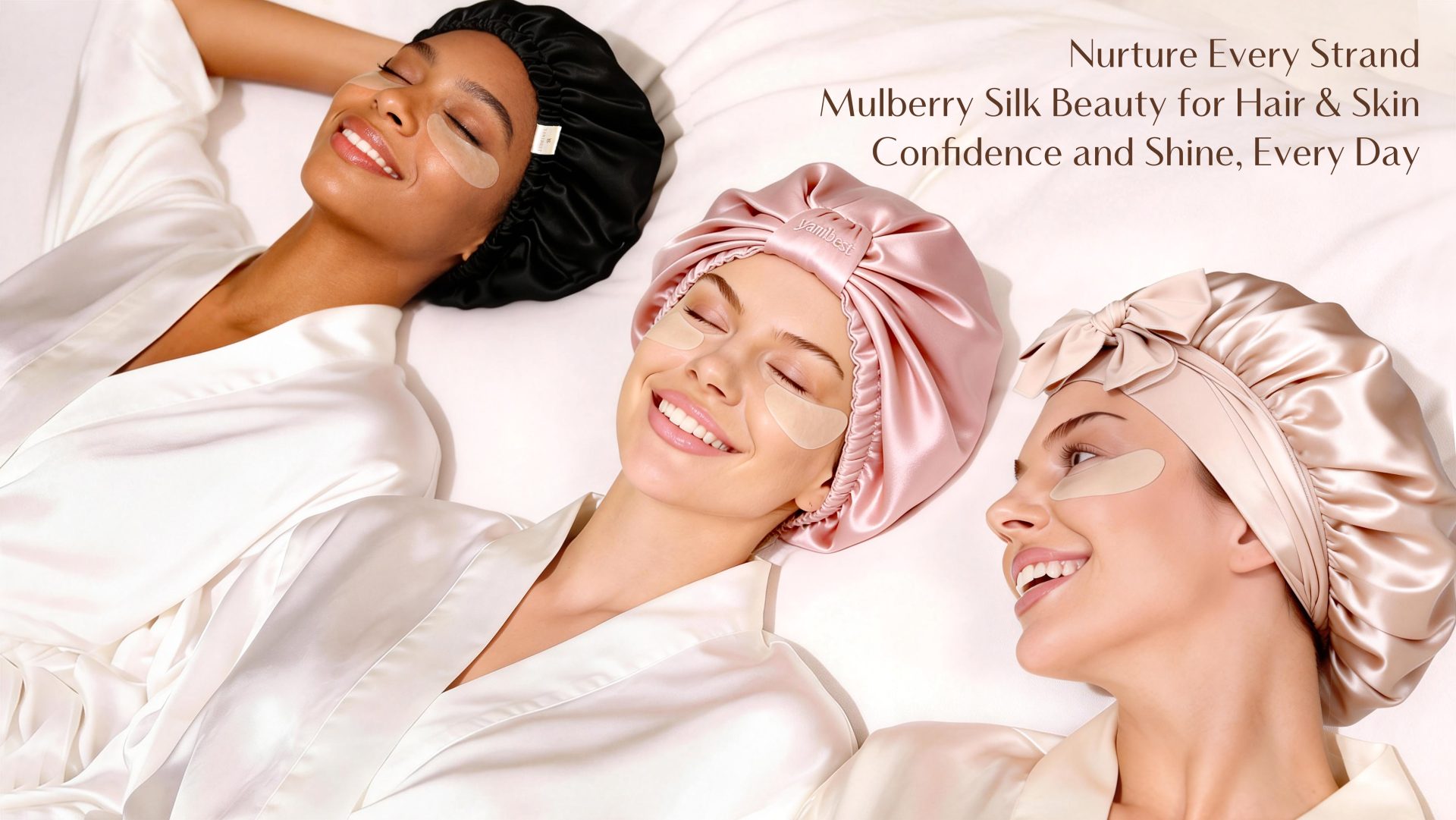
Mulberry silk has a smoother, more continuous filament structure than most synthetic or lower-grade silks, so sliding forces between hair and fabric drop. Lower friction means strands stay intact and natural oils remain, which preserves both moisture and shape. Heat retention in the outer knit provides insulation while the silk lining reduces mechanical damage; the combined effect is fewer touch-ups and less product build-up from corrective styling.
What to check first — concrete selection criteria
Choose a beanie only after verifying these points: 100% mulberry silk lining (no thin satin substitutes), tight but flexible fit that avoids pressure points at the hairline, flat seams that don’t rub, a breathable outer knit matched to your climate, and secure stitching so the lining won’t separate. Prefer Oeko‑Tex or similar textile certification for chemical safety. Test-fit for movement — if a head tilt creates sliding, you’ll still get friction damage despite the silk claim.
Common mistakes and how they cause failure
Assuming any “silk” label equals mulberry is the top error; blends and satin finishes mimic silk’s look but not its filament behavior. Picking a too-tight silhouette risks breakage at edges; picking a too-loose cap lets wool fibers contact hair directly. Washing silk with heavy detergents or tossing it in a hot dryer weakens fibers, causing the lining to pill and increase abrasion. Fix these by checking fabric content, choosing a balanced fit, and using gentle cold wash methods.
Material trade-offs and viable alternatives
Satin can mimic silk’s smoothness at a lower price but often uses short synthetic fibers that pill sooner. Fleece offers warmth but increases static. Silk caps or silk pillowcases remain the superior option for overnight protection; if budget matters, select a beanie with a removable silk liner so you swap to higher‑quality silk later. Choose alternatives only when their drawbacks (static, pilling, moisture loss) align with acceptable trade-offs for your routine.
Care routines that preserve function
Hand-wash silk liners or use a delicate machine cycle with a pH-neutral detergent; rinse thoroughly and reshape while damp, then air-dry flat away from direct heat. Store beanies flat or on a low-profile shelf to avoid creasing the lining. Combine silk-lined beanies with gentle drying tools (like microfiber towels) before slipping one on; doing so reduces the moisture gradient that otherwise drags hair against fibers and increases frizz.
Outcome: fewer repairs, more reliable style
When you focus on the specific problem — abrasion from hat interiors — the solution is straightforward: pick a true mulberry silk lining, prioritize seam and fit quality, and use soft-drying methods to maintain fiber integrity. These steps reduce mechanical damage and keep styles intact through cold-weather wear, which is exactly the practical advantage offered by yanibest products integrated into a hair-care routine without extra fuss.

