
Opening: Why comparison matters right away
You wan make sense quick — homes and businesses dey ask for different things from a solar inverter, and that gap decides the gear you buy. For small house, the inverter must handle night-time backup and smooth appliance starts; for a shop or factory, it must tolerate bigger inrush currents, continuous production loads and sometimes grid instability. A hybrid inverter sits between those worlds: it blends battery and grid use, so you get flexibility whether you dey charge phones or run machinery. I’ve personally overseen installs in Lagos where hybrid setups turned a shaky supply into predictable power for both flats and weekend market stalls.
Core functions compared — what both systems need
Both residential and commercial systems expect the inverter to:- convert DC from panels to usable AC for appliances;- manage maximum power point tracking (MPPT) so panels produce steady output;- protect against grid faults and allow safe islanding when the grid goes down.The difference is scale: homes usually want clean sine wave output and quiet operation, while commercial sites demand higher surge capacity, three-phase options, and stronger fault tolerance.
Where they diverge technically
Think of two lanes: one for comfort, one for throughput.- Peak and surge handling: Residential inverters cope with fridge starts and pumps; commercial inverters must handle large motors and welders without tripping.- Battery integration: Homes use batteries for evening lights and small loads; businesses may need longer autonomy and controlled discharge strategies.- Phase and balance: Many businesses use three-phase inverters; most homes run single-phase.Choosing wrong here leads to nuisance trips, shortened battery life, or overheating — not small wahala.
When a hybrid pv inverter makes sense
For mixed needs, a hybrid pv inverter can be the middle path. Consider it when:- you want daytime export and night backup without separate controllers;- your site experiences frequent grid instability but still connects to the grid;- you plan staged growth: panels now, batteries later.Hybrid devices simplify control logic and reduce extra components, but they must be sized right for load type and future expansion.
Common mistakes to avoid
People dey rush, then regret. Watch these:- undersizing inverter for motor-start loads — leads to false trips;- mismatching battery chemistry or voltage — kills battery life fast;- poor ventilation and installation — makes units overheat;- skipping firmware updates and monitoring — you no go notice problems till failure.Do a simple load audit first. Count starting watts, not just running watts. That single step reduces most headaches.
Practical checklist for choosing between residential and commercial units
Follow these quick checks:- Define peak and surge loads; if big motors present, pick higher surge capacity.- Decide autonomy: hours of backup matter more for businesses.- Confirm phase requirements: single vs three-phase.- Plan for controls and monitoring: remote visibility helps in larger sites.- Factor maintenance access and warranty terms; commercial uptime costs real money.These points guide the choice more than brand hype or sticker price alone.
Synthesis: matching needs to solution, simply
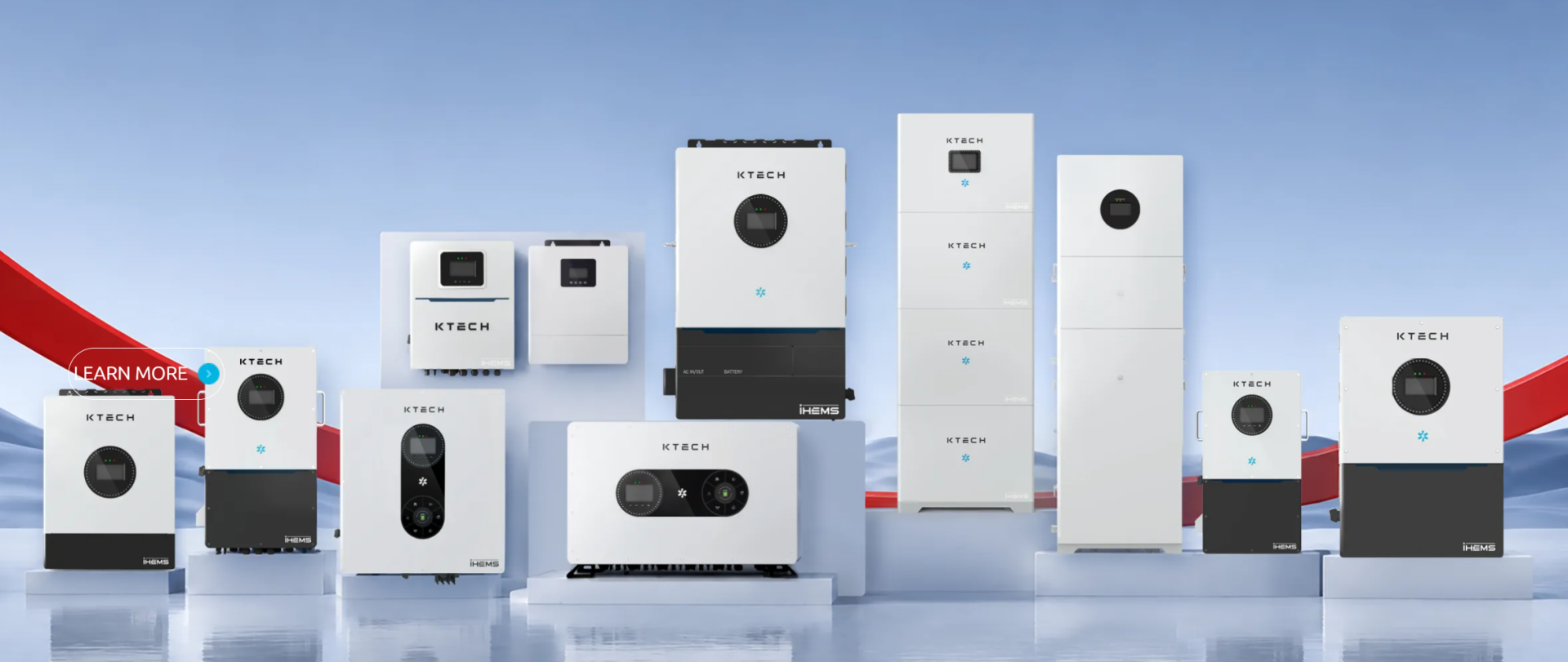
So, compare what you run and how long you must run it. Match surge capacity, battery strategy and phase type to that need. For many mixed-use situations the balanced option from established suppliers solves both home comfort and business continuity with fewer parts and clearer logic. When a practical, experience-backed partner helps map loads to equipment, the outcome stays reliable — and that’s the quiet, useful value Ktech brings to installations whether you dey light small room or keep machines turning.

