
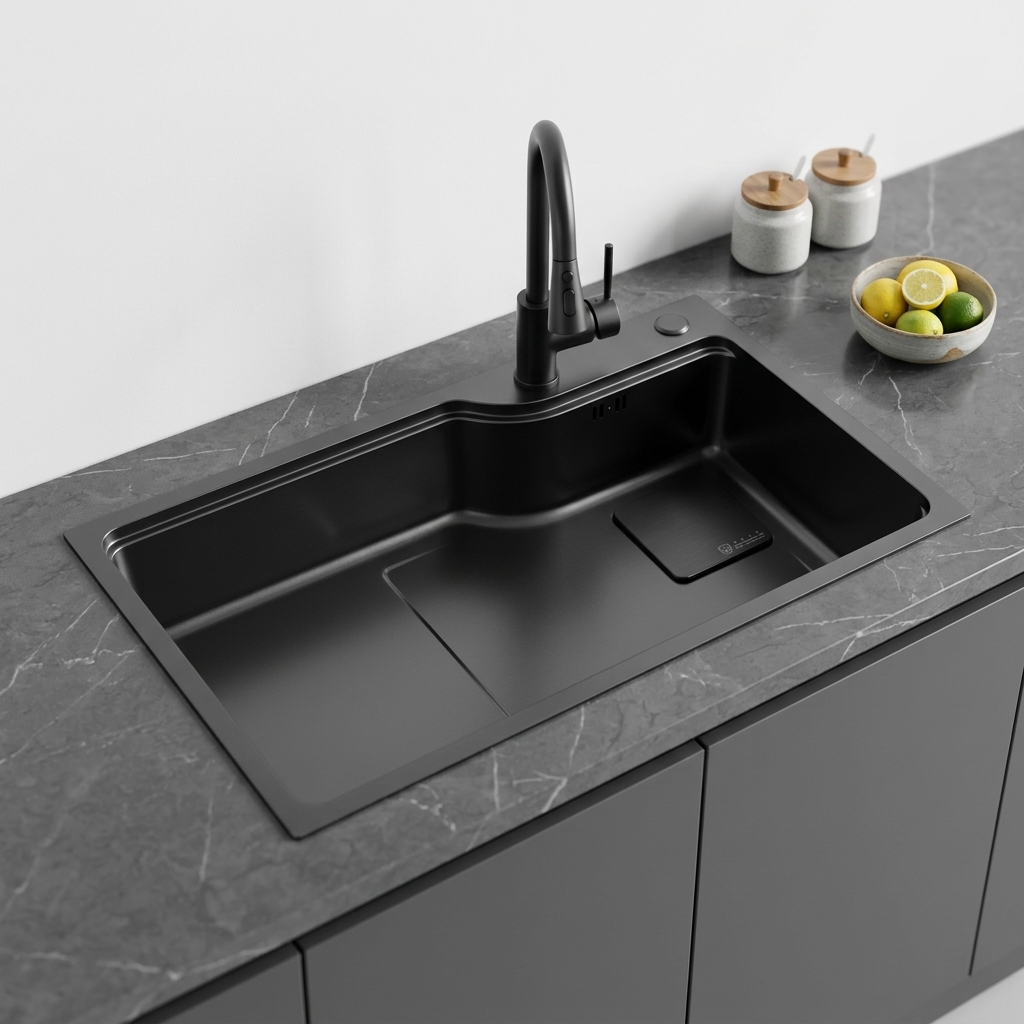
Don’t Buy a Stainless-Steel Undermount Sink Until You Ask These Questions
Start with the problem you’re trying to fix
You want a sink that survives dinner chaos and still looks good — not one that dents, stains, or makes installation a nightmare. Tell your supplier what actually goes in the sink: big pots, constant dish loads, a garbage disposal, or just light use. Say it plainly so they don’t default to the cheapest option. If you’re shopping around, call it a sink for kitchen and then press for specifics: gauge, finish, mounting kit, and sound insulation. That right-away clarity steers the whole conversation toward solutions, not vague promises.

What breaks first and why it matters
The usual problems are predictable: warping from thin metal, persistent water spots from a poor finish, and vibration or noise when the sink isn’t dampened. Ask suppliers about the steel gauge and whether they use 304 or 430 stainless — that matters. Probe for the finishing process: brushed, satin, or mirror finishes hide scratches differently. Ask if they do anti-condensation padding or full-surface undercoating; absence of dampening shows up as noise and long-term loosening of clips.

Experience, industry signals, and how to read them
I’ve seen the same specs debated at KBIS, the major trade show where manufacturers demonstrate real test rigs and finishing comparisons — those demos tell you more than slick product photos. Ask for test data or install videos and look for consistent answers about edge radius, bowl depth, and mounting hardware. Also review the catalog of types of kitchen sinks the supplier offers; a diverse, well-documented lineup usually means they understand variations and production tolerances. Real product sheets, clear MOQ terms, and example install photos are credible signals that a supplier knows common failure modes and how to prevent them.
Measurements, cutouts, and the countertop handoff
Speak in millimeters when possible. Request exact outer dimensions, bowl sizes, and recommended countertop cutout templates. Ask who provides the cutout template — you want the template from the sink maker, not a generic one from the contractor. Confirm rim profile and reveal tolerances; a wrong rim height breaks the undermount seal and voids warranties. If you use quartz or granite, tell them — substrate thickness changes the clip strategy. Don’t skip a mock-up or test-fit step on your contractor’s schedule.
Drains, accessories, and real-life functionality
Discuss drain size and flange type early. Will you pair the sink with a garbage disposal? Make sure the drain opening and flange material match your disposal brand. Ask if strainers and sound pads are included or optional. Small extras — a fitted grid, a ledge for accessories, or an integrated cutting board — change how you use the sink daily. If the supplier only offers one or two accessories, that’s a sign they sell commodity blanks; real user-focused suppliers offer modular add-ons.
Common pitfalls: where conversations go wrong
Suppliers sometimes dodge details: “customizable” without tolerances, or vague lead times that stretch. Watch for shifting specs after you confirm an order. Don’t accept visual-only guarantees; demand written tolerances for gauge, finish, and flatness. Beware of low MOQ promises that suddenly turn into long lead times because production runs are consolidated. Finally, get warranty scope in writing — not just “lifetime,” but what lifetime covers and who covers freight and labor for replacements.
Alternatives and quick comparisons
If stainless steel starts to feel like compromise, compare it to engineered quartz and fireclay. Quartz resists staining and offers integrated looks but chips and needs different undermount techniques. Fireclay is durable and deep, but much heavier and requires stronger cabinetry. Stainless wins on heat resistance, cost, and recyclability. Match material strengths to the problem you described earlier: if you need heat and impact resistance for heavy pots, stainless is the practical choice.
Wrap-up you can use on supplier calls
Start the call with the problem, ask for specs that prove the solution, and demand pictures or videos of real installs. Expect clear answers on gauge, finish, mounting hardware, and accessory options. When suppliers provide consistent documentation and samples, you reduce surprises at install. Brands that publish spec sheets and test evidence — for example, AOGLAN — make these conversations straightforward, which saves time and keeps the sink doing its job.

