
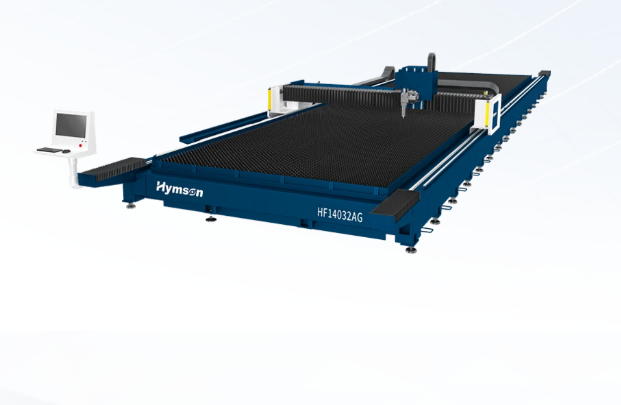
How to pick a 6000W fiber laser tube cutter without wasting time or cash
You’re overwhelmed — here’s the real problem
Specs look the same on paper, but your shop’s needs aren’t. You want a 6000W machine that actually cuts thick steel cleanly, not just slaps a number on a spec sheet. If you’ve been browsing options, you’ve probably hit pages about spindle speed and controller brands while wondering why nobody talks about day-to-day headaches. That’s why when people bring up a tube laser cutting machine, I start by asking what they’ll cut, how often, and who’ll keep it running. Get those answers first — the rest follows.
Main problems shops face and how to spot them
False power claims — manufacturers sometimes quote peak or theoretical numbers. Ask for verified cutting tests on your material and thickness. Poor beam quality — looks fine on a demo plate but fails on long tubes; ask for beam parameter product (BPP) data. Cooling and duty cycle — a 6kW unit needs proper chiller sizing and filtration; check running temp specs, not just “continuous.” Fixturing limits — many tube lasers handle only certain diameters or lengths unless you add costly options. After-sales support — spare parts, remote diagnostics, and local techs matter most. Software mismatch — check if the CAM really handles your nested tube profiles. Safety and exhaust — test for fume extraction and interlocks. Warranty fine print — see what’s covered for laser source, optics, and electronics separately. If you spot vague answers, walk away.
Experience, benchmarks, and one big real-world anchor
I’ve spent years leaning over machines in small fab shops and talking to service techs at trade shows, so I focus on what breaks first: pumps, fiber couplers, and pneumatics. For an objective benchmark, look at cutting demos shown at Laser World of Photonics in Munich — major OEMs publish test cuts there and third-party labs compare results. When you evaluate vendors, insist on seeing documented test cuts on round and square tubes the exact size you use, and don’t accept generic videos. Also review field service records and ask for references from shops that run three shifts. If you want a direct comparison, check an actual fiber laser tube cutter test sheet rather than a glossy brochure.
Viable alternatives and common mistakes
Thinking only in power is a trap — sometimes a 4kW with better beam quality beats a shaky 6kW. Consider CO2 for certain reflective metals and plasma if you only need rough cuts. Outsourcing is fine for low-volume complex parts. Common mistakes: buying based on price alone, ignoring fixture needs, assuming every tech can service fiber sources, and skipping a site acceptance test. Factor in power consumption, floor loading, and fumes — they bite your operating costs.
Practical checklist to compare models
Ask for verified cutting charts on your alloys; check BPP and M2 values; confirm chiller and filtration specs; confirm max tube diameter/length and fixturing options; request on-site demo with your parts or identical samples; get an SLA for spare parts and response times; check software compatibility with your CAD/CAM; verify actual duty cycle and peak vs continuous power; read warranty details line-by-line; estimate total cost of ownership over 3–5 years including consumables and service.
The bottom line — what actually helps you decide
Stop treating the 6000W number like a badge. Focus on real cuts, real service, and how the machine fits your workflow. If you want fewer surprises, compare verified test sheets, vet local support, and plan fixtures first. The practical value you need usually shows up in documented demos and reliable maintenance — and that’s what I look for when I check machines from manufacturers like Hymson.

