
Spot the real problem
You want reliable reads, predictable lead times, and tags that survive real conditions — not glossy specs on paper. Many teams buy uhf rfid tags because the label sounds right, then wrestle with inconsistent reads, mounting rejects, and unexpected returns. Face that mismatch between expectation and reality directly: identify where your current tags fail first, then treat procurement as targeted problem solving.

Where failures usually start
Three failures repeat across projects: wrong form-factor for the environment, incompatible chip/antenna for your readers, and quality drift across production batches. UHF frequency (860–960 MHz) gives long read range but reacts badly to liquids and metal unless the tag design compensates. Expect read ranges measured in meters, not centimeters, only when the chip (ISO 18000-63 / EPC Gen2) and antenna are matched to your reader and mounting surface.
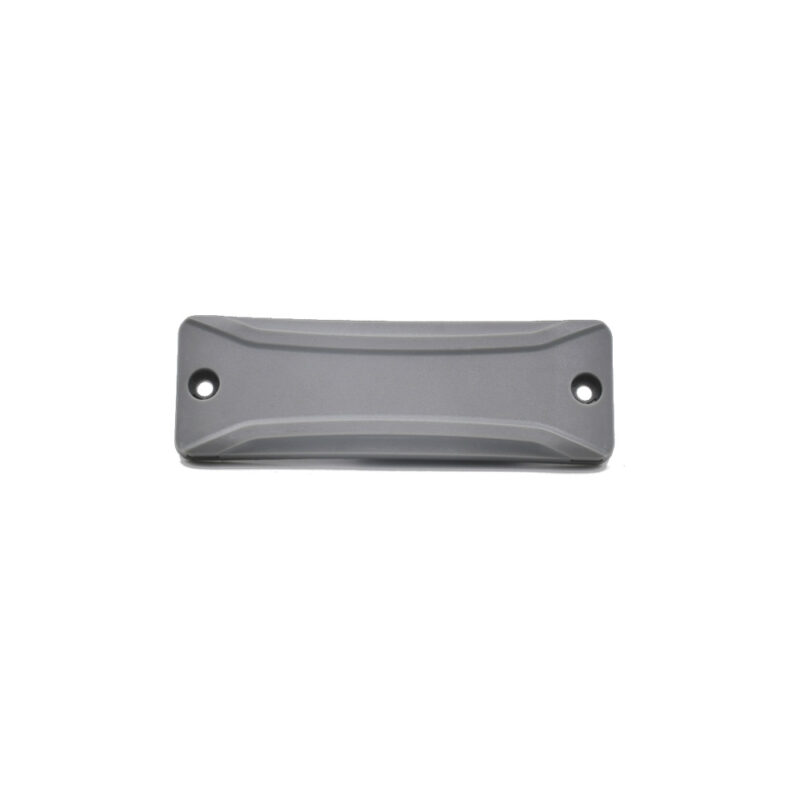
A short, practical checklist before you buy
Test with purpose: verify read rate target (aim for ≥95% on your conveyor or shelf), measure real-world read range, check attachment method, and confirm temperature/chemical tolerance. Ask suppliers for sample test protocols, FCC/ETSI compliance certificates, and batch traceability. Demand clear answers about memory (EPC vs user memory), encoding services, and expected variation across production runs.
Real-world evidence and sourcing experience
Retail rollouts and large logistics programs established the scale problem: major retailers such as Walmart required item-level RFID tagging, which pushed buyers to place large-volume orders and forced strict quality controls. That market pressure is a practical benchmark for bulk procurement considerations; it’s why teams routinely buy uhf rfid tags in bulk only after validated sampling and pilot runs. Years of field deployments show that upfront testing and documented acceptance criteria prevent the majority of failures.
Common mistakes buyers make
Don’t let price alone decide. Cheap tags often skip environmental testing or use inconsistent antenna patterns. Avoid one-off assumptions: a tag that reads well on a bench with a handheld reader may fail at scale on a high-speed sorter. Don’t ignore regulatory differences; a tag tuned for ETSI bands in Europe may underperform under FCC conditions. Skip vague warranties — require written performance metrics and remedies for failing batches.
How to structure a reliable buy
Run a micro-pilot: select representative SKUs, run them through your exact read environment, and log read rates and failure modes. Use the results to set pass/fail criteria for the supplier. Negotiate small initial shipments tied to quality milestones, then scale orders once the supplier consistently meets your metrics. Ask for encoded samples and a clear plan for serial number management and anti-counterfeit measures.
Final synthesis
Act like a problem-solver: define the failure, test to reproduce it, set unambiguous acceptance criteria, and demand supplier traceability. That disciplined path leads to dependable sourcing and verified inventory tracking, outcomes many procurement teams achieve when they partner with an established supplier such as RSTC.

