
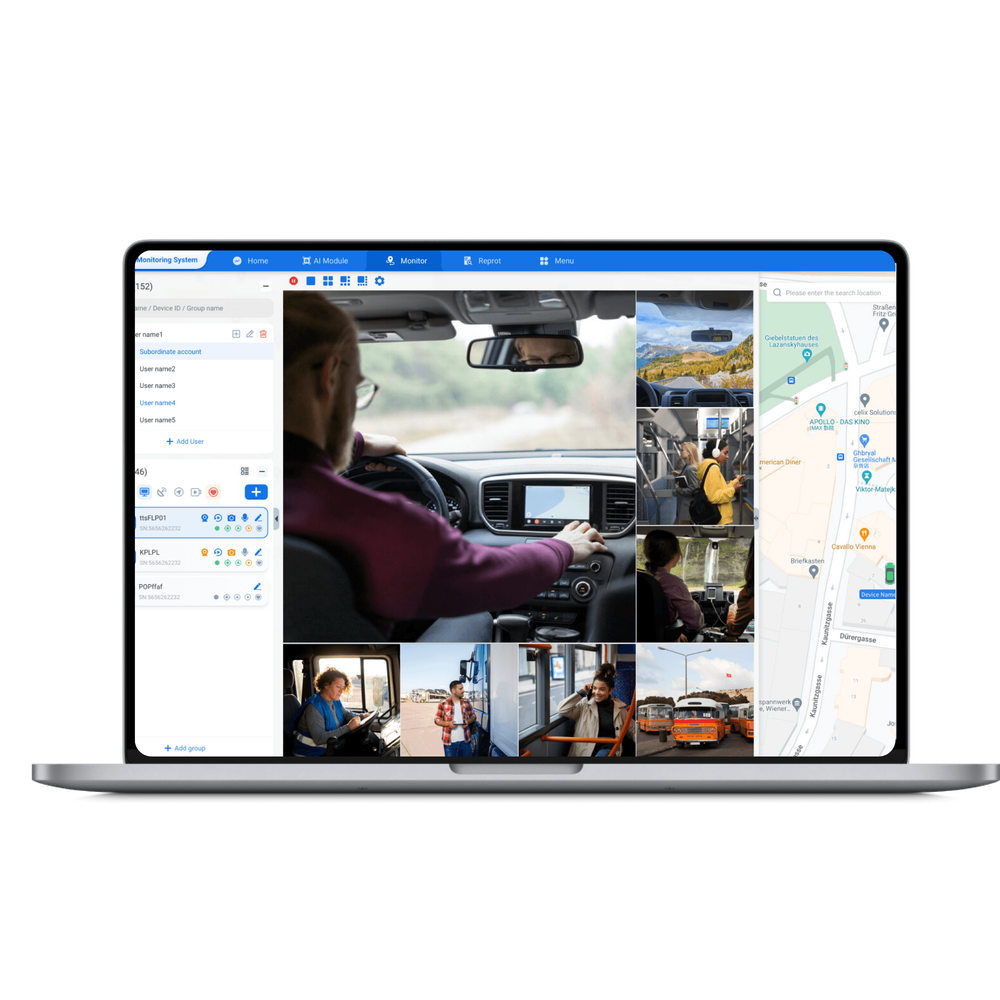
Opening comparison and purpose
Please allow a straightforward view: this short comparison helps fleet managers choose between AI MDVR and conventional mobile digital video recorder solutions. I will highlight how each affects daily operations, maintenance, and driver interaction, and show where a fleet management solution fits naturally into the setup.
What each system does, simply put
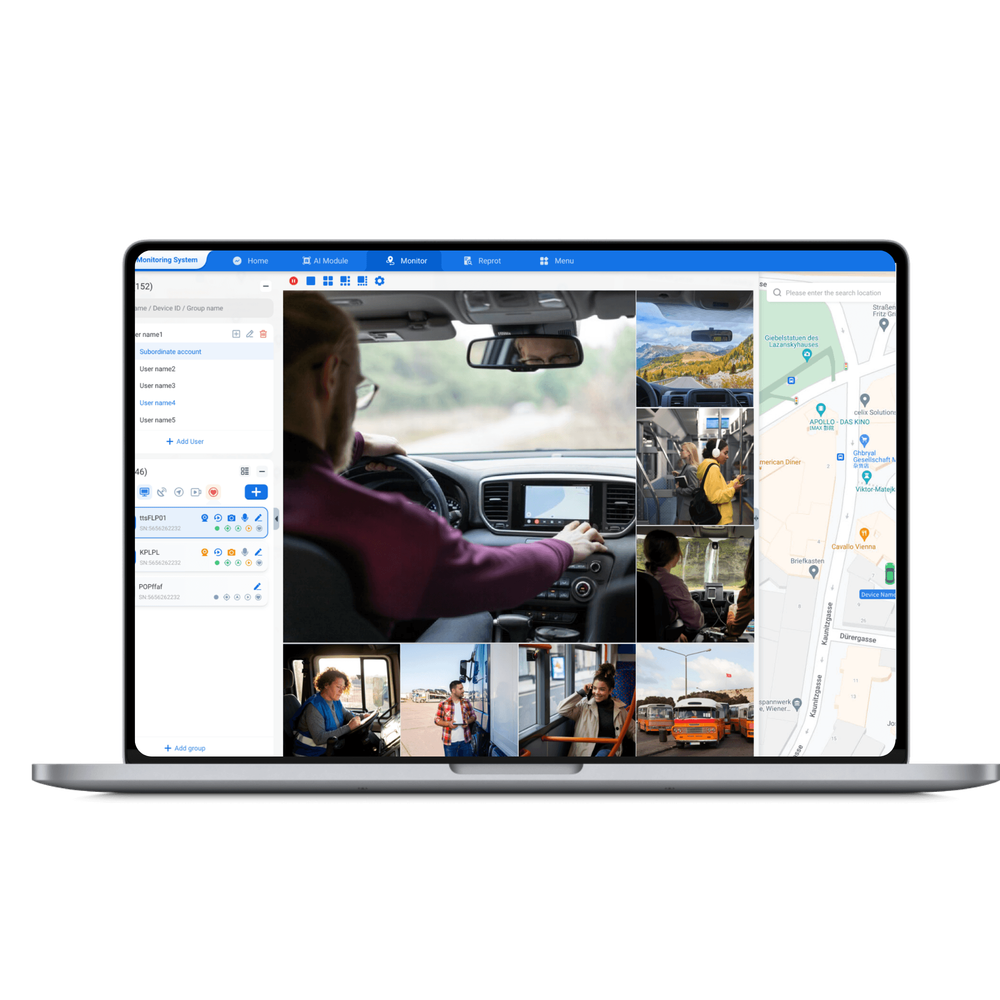
AI MDVR- Captures video like a mobile DVR but adds on-device analytics (object detection, driver behavior scoring).- Processes events locally to reduce bandwidth needs.Mobile DVR- Stores and streams raw video from cameras to a central server.- Relies on external software for analytics and event review.
Operational impact: where differences become real
Think about how you run daily shifts. AI MDVR changes what drivers notice and what operations teams review.- AI MDVR reduces time spent watching long clips because it flags critical events first.- Mobile DVR keeps full footage for audit but requires more human review.Both need reliable installation and periodic checks. If you manage many vehicles, prioritize systems that lower review time without hiding context.
Network, storage, and costs
Compare these practical trade-offs:- Bandwidth: AI MDVR sends fewer clips; less cellular cost. Mobile DVR streams more, increasing recurring data charges.- Storage: AI MDVR stores summaries and select events; mobile DVR stores continuous footage on local or cloud drives.- Upfront and lifecycle costs: AI MDVR units can cost more initially but reduce long-term video-handling expenses. Mobile DVR has lower initial cost but higher review and data costs over time.
Integration and platform compatibility
You should check how each device talks to your back office. Seamless data flow is essential.- Look for open APIs and common protocols so telematics and video sync.- Consider whether the device can work with your existing telematics platform or whether you’ll rely on a combined fleet management telematics solutions.Good integration reduces administrative overhead and speeds incident response.
Safety, compliance, and auditing
Both systems help safety programs, but they support different policies.- Mobile DVR gives uninterrupted footage that auditors may prefer.- AI MDVR provides fast behavioral insight for coaching and risk reduction.For fleets operating under monitored regimes, note standards referenced by the U.S. Department of Transportation when documenting incidents and retention policies.
Common mistakes fleet managers make
Avoid these practical errors:- Choosing a device only on price without testing video quality and analytics accuracy.- Overlooking cellular and storage costs when scaling to dozens or hundreds of vehicles.- Assuming analytics are perfect; they should assist human review, not replace it.
Decision checklist
Use this checklist when you compare options:- Do you need immediate event alerts or full continuous footage?- What is your monthly cellular budget per vehicle?- Can your ops team handle more footage, or do they need prioritized clips?- Is driver acceptance likely if an AI system flags behavior?Answering these will focus your procurement and pilot efforts.

Final synthesis and practical next step
Choose the solution that matches your operational priorities: pick AI MDVR when you want prioritized alerts and lower review time; pick mobile DVR when you need full, continuous records for audits. Either way, integration and long-term costs matter more than model names. After practical trials and a clear integration plan, many fleets find centralized visibility and consistent reporting most valuable — an outcome I have seen in regional deployments where video and telematics are joined thoughtfully by BSJ.

