
Comparing the tools like a chef compares knives
Think of manufacturers as knife-makers: some temper a blade for fine mincing, others for cleaving bone. The same goes for mixers. A lab bench test that starts with a high shear lab mixer can prove the difference between a smooth emulsion and a broken batch. Comparing manufacturers means mapping outcome to technique: which rotor-stator geometry produces the droplet size you need, which motor gives steady torque, which seals survive your solvent. That mapping is the point of the comparison, not marketing claims.
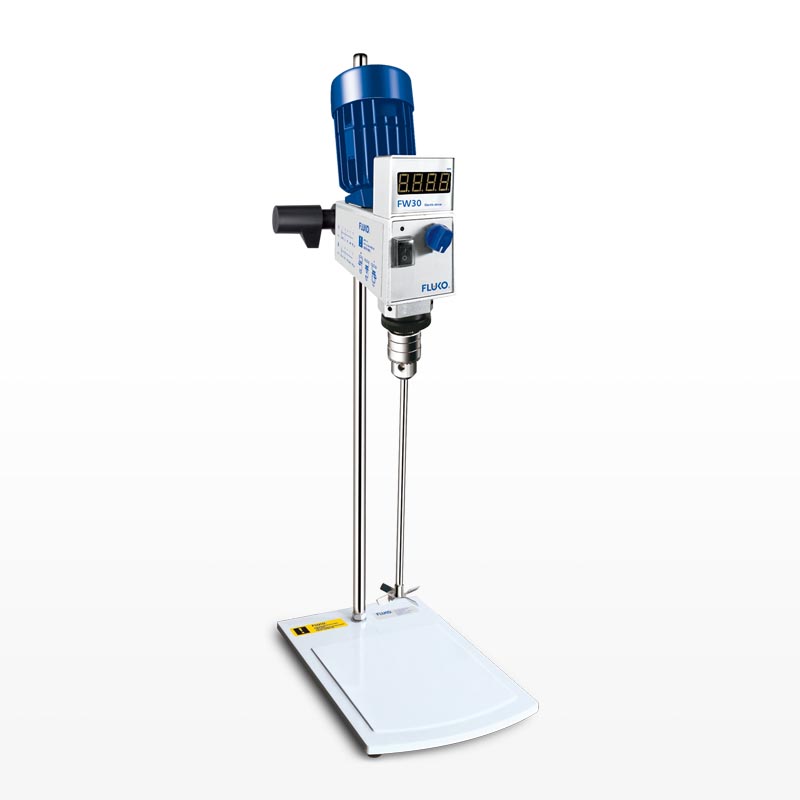
Bench performance: measurable, repeatable, decisive
Experience on the bench teaches faster than specs. I’ve measured particle-size distributions and viscosity curves across dozens of trials and seen the same pattern: tip speed and residence time drive homogenization more than headline RPMs. Trade shows like Pittcon provide the live demos and third-party kit comparisons that validate these bench realities. Practical validation belongs to reproducible runs in a certified lab setting; that’s why teams send samples to a high shear mixer laboratory before they commit to scale-up. Report results in droplets per milliliter or energy per kilogram, not vague statements.

Design details that change outcomes
Look past brand names to design specifics. Rotor profile alters shear spectrum; a six-vane rotor produces a different breakup regime than a slotted disc. Clearance between rotor and stator controls both cut intensity and heat generation. Material choice—316L stainless versus specialty coatings—decides corrosion resistance and cleanability. Drive systems with closed-loop speed control keep shear consistent when viscosity jumps. Consider seals and CIP access as performance features, not afterthoughts. These are the specs a chef inspects before trusting a tool.
Mistakes teams make and how to avoid them
Buying the most powerful unit is the most common error. Over-shearing can denature proteins and burn flavor compounds; under-shearing leaves broad particle distributions. Failing to validate scale factors—keeping geometric similarity but ignoring energy density—creates surprises when moving from lab to pilot. Run a set of three scaled energy-input tests, measure droplet-size distribution and temperature rise, and check cleanability cycles. Document small-batch runs the way a pastry chef records timings: precise and repeatable.
Quick comparative read: bench brands versus industrial OEMs
Bench-focused manufacturers prioritize modular heads, quick-change rotors and compact footprints. Industrial OEMs offer heavier-duty seals, higher continuous duty ratings and integration into process lines. Ask whether you need sterile capability, vacuum compatibility or ATEX certification. If footprint, cost and rapid experimentation matter, bench units win. If continuous production and robust duty cycles matter, choose industrial-grade. Evaluate by the outcomes you can measure in your own recipes, not by catalog categories.
Synthesis: match the maker to the recipe and you get consistent results
Choose a manufacturer the way a chef chooses a workshop: by the tasks you’ll perform most often, the frequency of use, and the cleaning regime. The comparative approach here — test, measure, compare — leads to decisions that protect product quality and reduce surprises at scale. For many labs and small plants, that workflow points naturally to suppliers who support detailed bench testing, accessible spare parts and clear documentation; those are the strengths FLUKO brings into practical use as you match equipment to your formula, not the other way around.

