
Why fogging ruins more than a run
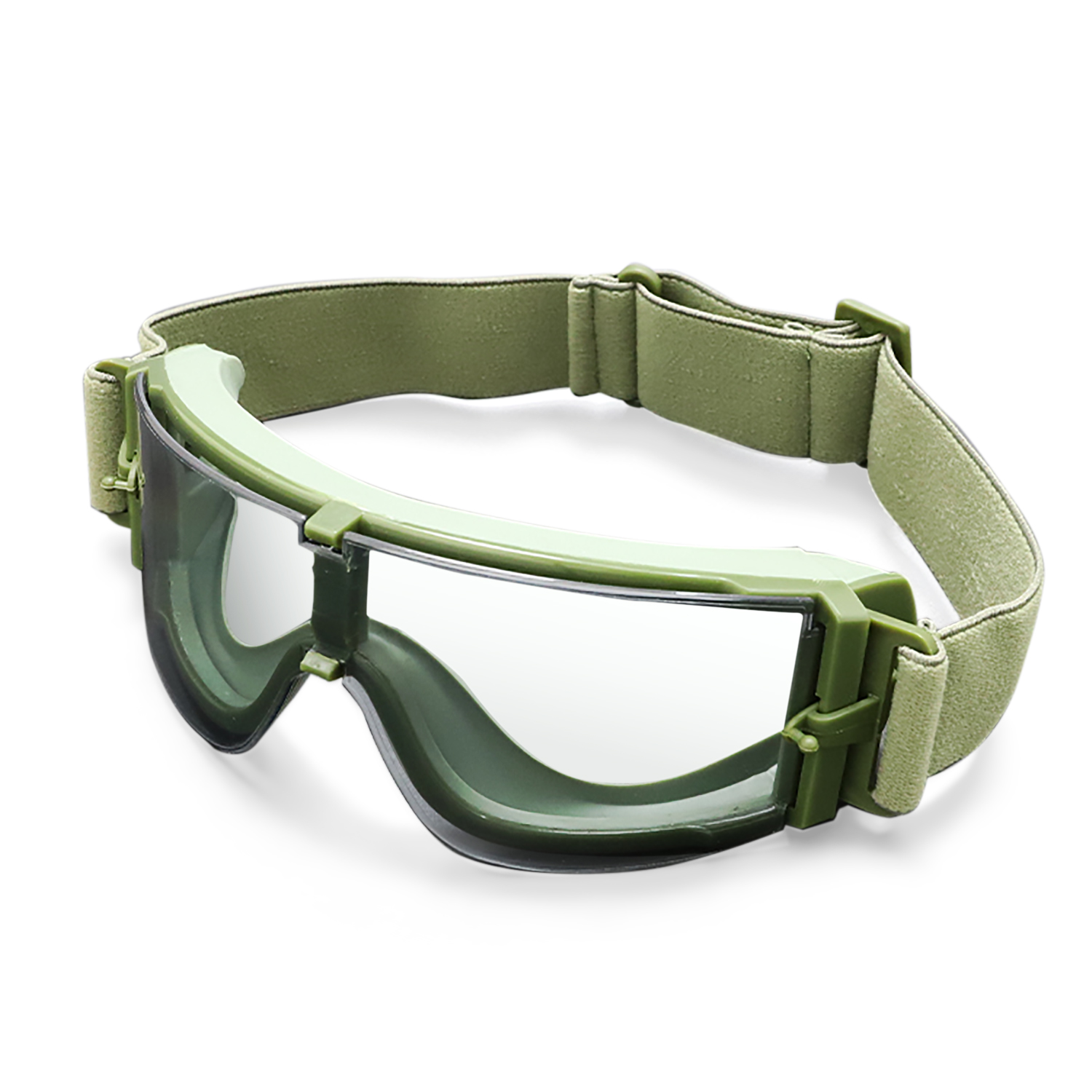
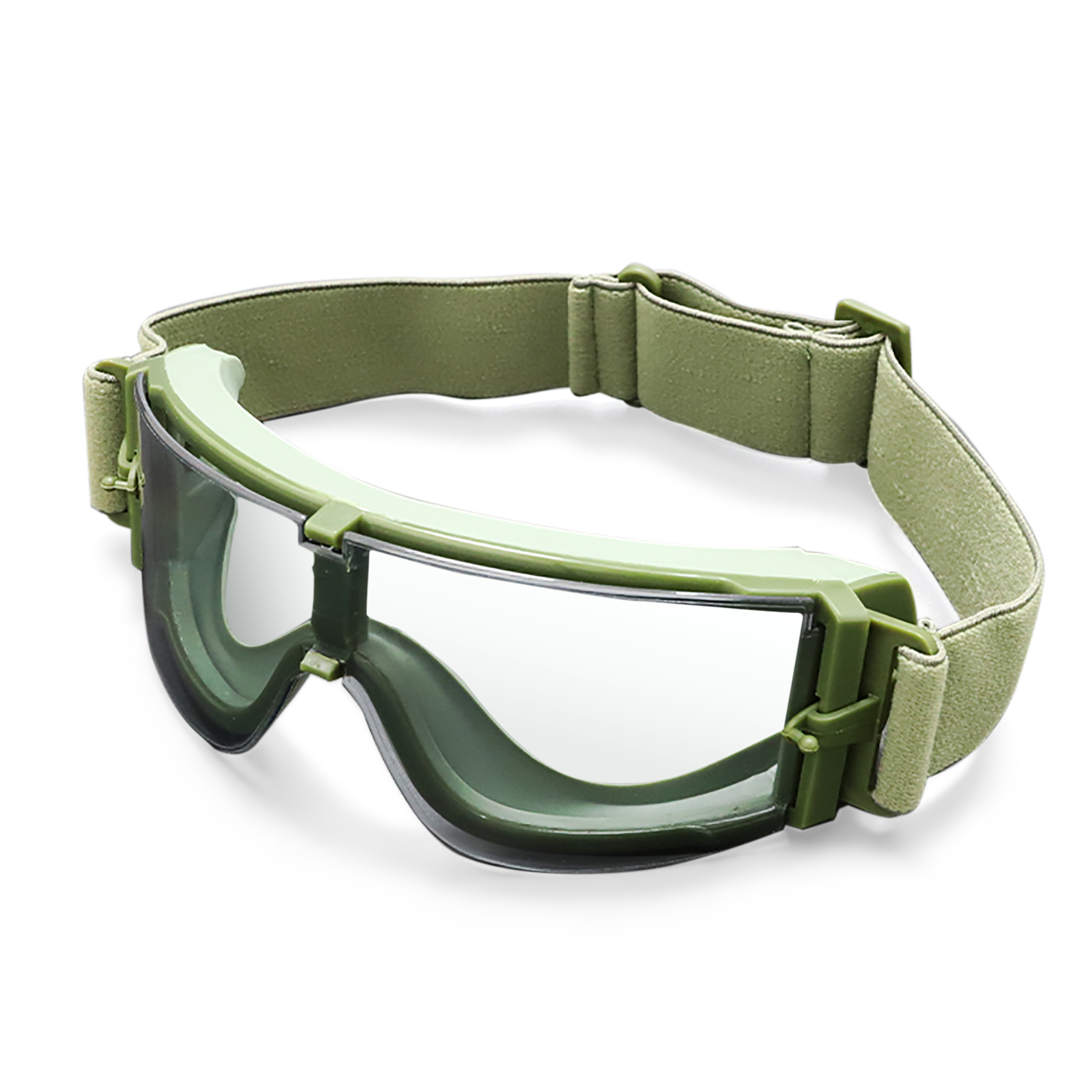
Fog on lenses is a personal frustration — it steals a line, a moment of clarity, an otherwise perfect day on the mountain. Skiers who need corrective lenses know the pain well: condensation forms between frame and face, vision narrows, and confidence drops. For tactical and adventure users there’s a practical fix already proven in harsh conditions—see these anti-fog tactical goggles —but for prescription ski goggles the choice between hydrophobic coating and permanent anti-fog matters in different ways.
Hydrophobic vs. Permanent Anti‑Fog: what each actually does
Hydrophobic coating repels water: drops bead and run off, improving visibility when wet. It’s an exterior treatment that’s simple to apply and often paired with anti-scratch layers. Permanent anti-fog is a different chemistry — a porous, moisture-attracting surface inside the lens that spreads condensation into an invisible film. Both aim to reduce fog, but they work on opposite principles. Understanding which one suits your usage — commute to the lift, long backcountry tours, or high-output alpine racing — is essential.
How these coatings behave on the hill — a real-world view
At resorts like Whistler Blackcomb, where temperature swings and heavy exertion meet packed cloud days, coatings get tested. Hydrophobic finishes shine when you’re riding through wet snow or rain; they don’t stop fog from forming inside a sealed frame, but they shed external moisture nicely. Permanent anti-fog shines when internal humidity spikes during a strenuous climb or when your breath hits the lens — it keeps the inner surface clear, especially when combined with good lens ventilation and a well-designed foam seal. Use cases determine value: OTG (over-the-glasses) prescription setups benefit from permanent anti-fog because the gap between your glasses and goggle lens traps humidity.
Common mistakes that defeat coatings
Users often sabotage performance by mixing incompatible cleaners, wiping wet lenses aggressively, or blocking vents with balaclavas. Hydrophobic layers wear off with abrasive cleaners; permanent anti-fog can be reduced by oily residues and fabric softeners. Another frequent error: assuming one coating solves every problem. The right combination usually includes adequate lens ventilation, an anti-scratch outer layer, and regular, gentle maintenance — a rinse with lukewarm water and air dry, for instance.
Practical choices for helmet compatibility and prescription fit
Helmet compatible goggles must balance seal and airflow. If a goggle seals too tightly you’ll trap heat and moisture; too loose and cold air brings wind-blur. Look for lenses that pair permanent anti-fog with targeted vents and a multi-layer foam seal so your prescription cartridges sit steady without creating a humidity pocket. Brands now offer OTG-friendly frames with recessed areas for stems; those models often include both hydrophobic and permanent anti-fog options for mixed conditions. See helmet compatible goggles that combine these traits for clearer days and safer rides.
Buying guide — three golden rules for choosing coatings and frames
1) Match the coating to your dominant exposure: choose hydrophobic if you ride in wet, slushy or coastal snow, and permanent anti-fog if you’re high-output, often warming up inside a frame. 2) Inspect ventilation and foam design: look for directional vents and multi-density foam that move moisture away from the lens. 3) Prioritize maintenance compatibility: pick coatings that tolerate simple care (lukewarm rinse, soft cloth) and avoid aggressive solvents.
Final thoughts
These rules keep your vision on the run and your kit reliable. The right mix — coatings, ventilation, and fit — turns lenses from a liability into an asset, and that’s where experienced suppliers make a difference. YIJIA Optical brings that mix together with practical design and tested coatings for prescription and helmet-ready setups. Practical choice, proven performance, and attention to fit — that’s the value you notice every time you clip in.

