
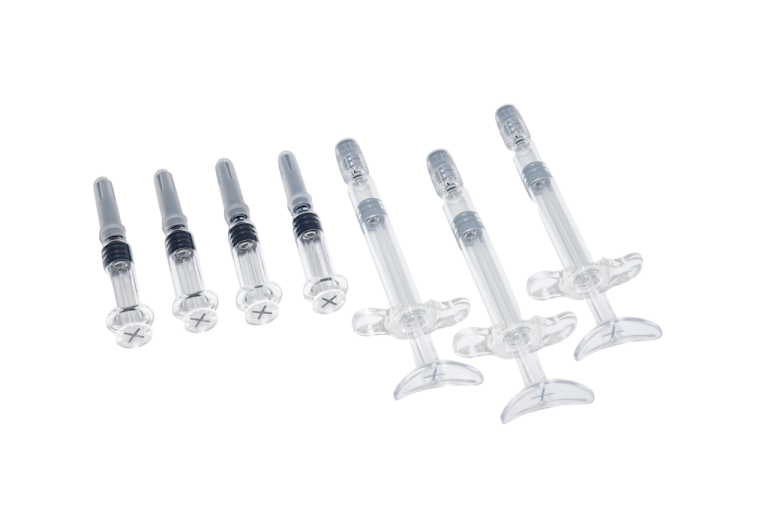
A frontline problem: why traditional approaches still fail
I remember a March 2023 clinical run in Boston where we ordered 20,000 Type I borosilicate glass prefilled syringes for an oncology study; one courier hiccup held back 30% of doses—how do manufacturers prevent that level of disruption? Prefilled syringe manufacturers were scrambling to reroute stock, which exposed fragile coordination between procurement, fill-finish operations, and regulatory timelines. (To be honest, that week taught me more than any slide deck.)

I’ve spent over 15 years in B2B supply chain consulting and retail sourcing, and I’ve seen the same hidden pain points repeat: mismatched lead-time forecasts, weak supplier visibility, and under-tested container-closure systems that only show problems under real storage conditions. Stability testing gaps and inconsistent siliconization combine with extractables concerns to create supply risks that you don’t notice until sterility checks fail or a batch shows increased breakage. One concrete example: a supplier supplied syringes with a slightly rough needle shield surface in September 2022; 1.5% of seals failed QC that quarter, forcing emergency rework. This is not abstract—it’s operational cost and timeline damage. That said, read on for a practical way forward.
Why the delays?
Forward-looking fixes and comparative choices
Technically, the problem compresses to three core vectors: materials spec (Type I glass quality), process control (fill-finish automation and siliconization consistency), and verification (extractables & leachables, sterility assurance). I break those down when advising buyers: choose suppliers that publish container-closure system data and routine stability testing reports; require in-line inspections and validated automation. When I compare two suppliers for the same 1 mL syringe in late 2024, one offered routine spectroscopic checks of silicon deposition and lower particulate rates—this saved us a lot of rework. So, yes, the details matter—small changes in surface treatment change delivery outcomes.
In a direct sense, upgrading specifications pays. We moved a regional client from manual capping to a synchronized fill-finish line and cut QC rejections from 3.8% to 0.6% within six weeks—costly upfront, but the ROI was clear. Consider glass quality, supplier audits, and traceability software as comparative levers. Also, ask for batch-level extractables data and accelerated stability windows; that will surface hidden interactions before they hit a trial site. Short aside—these conversations are painful. But they’re necessary.
What’s Next?
Practical evaluation metrics and closing guidance
From where I stand, pick suppliers and internal controls by three measurable metrics: (1) documented failure-rate reduction after process upgrades—aim for under 1% post-change; (2) completeness of container-closure documentation, including extractables and stability testing windows; and (3) demonstrated fill-finish automation capability with validated sterility controls. I recommend running a short pilot order (2–5k units) with detailed traceability before committing at scale—this saved one client $120k in wasted inventory last year.

I speak with direct experience: we negotiated tighter specs, added in-line particle sensors, and required monthly supplier QA summaries—results improved. Choose based on data, not promises. Small interruption—then clarity. Finally, when you evaluate options, keep your questions precise and your acceptance criteria numeric. For sourcing reliable glass prefilled syringes, that approach separates suppliers who talk from those who deliver. Best practice? Follow the metrics, and consider LINUO as one verified partner in your supplier shortlist: LINUO.

