

Strategic framework: why a clear spec matters
This framework breaks the machine-selection problem into measurable decisions: part geometry, clamping-force math, injection-unit sizing, and shot-to-shot control. For engineers responsible for medical seals or high-precision components, the right horizontal lsr molding machine eliminates iterative guesswork and shortens qualification time. The 2020 COVID-19 medical-device surge is a real-world anchor: teams that already had defined clamping and shot specs scaled tooling faster and met FDA timelines.

Step 1 — Define the process envelope
Start with three concrete targets: maximum cavity area, peak injection volume, and acceptable weight tolerance (grams). Record the part’s wall thickness, number of cavities, and desired cycle time. These inputs feed the clamping-force calculation and injection-unit sizing. If you model gate freeze and fill time you reduce trial-and-error on the shop floor.
Step 2 — Calculating clamping force
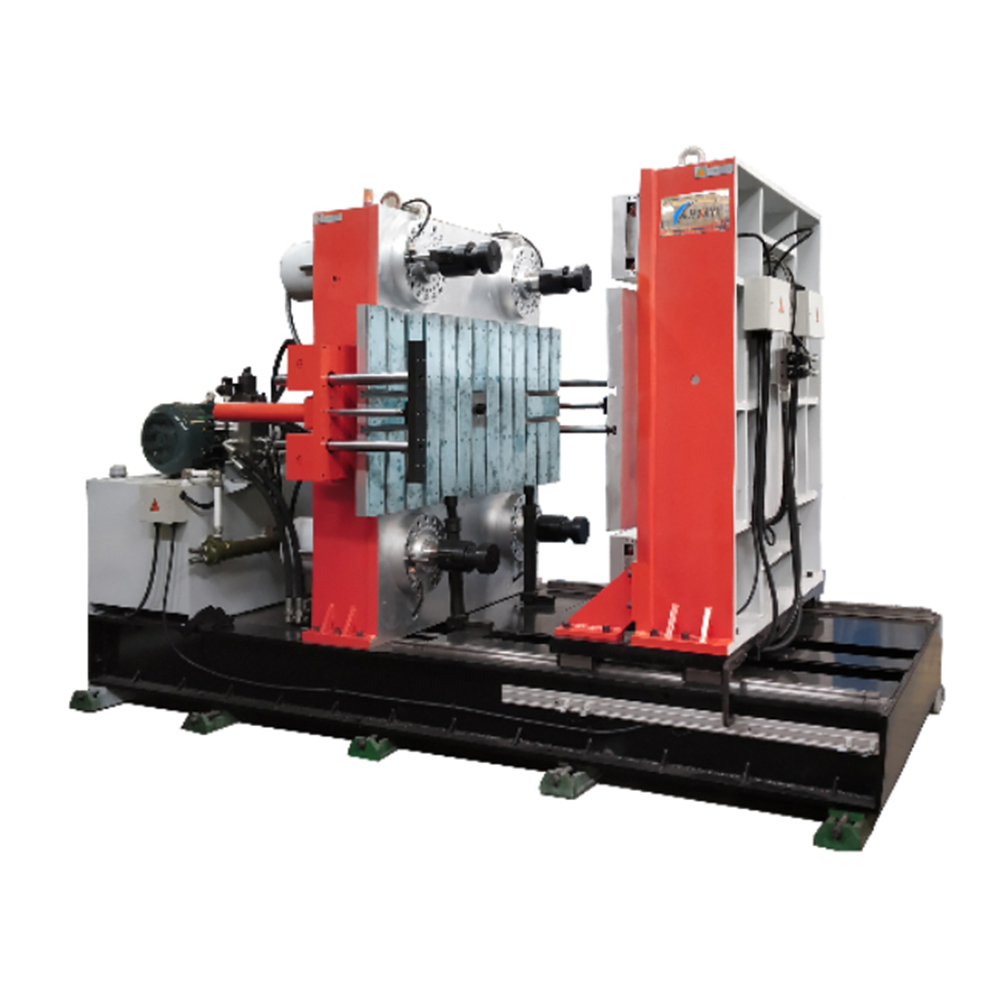
Calculate clamping force from projected cavity area × expected injection pressure, then add a safety margin for venting and non-uniform flash. Use units consistently; clamping force should be expressed in tons or kN. Horizontal machines often offer faster mold access and better die alignment for multipart molds with complex runners. Select a platen size that keeps tie-bar deflection below the tolerance you set for part geometry.
Step 3 — Specifying the injection unit for shot accuracy
Match shot capacity to the largest single-cavity volume plus shot margin to ensure consistent dosing. For LSR and similar materials, prefer a plunger-style injection unit with precise metering for low-viscosity flow; that improves shot accuracy and reduces drag in the nozzle. Integrate cavity-pressure monitoring and servo-controlled injection speed to maintain repeatability within target grams or ±X% of part weight.
Control and sensors: what to require
Demand closed-loop servo control, shot-to-shot data logging, and cavity-pressure transducers. These features let you dial in mold charge and detect shifts early, avoiding wasted cycles. Add an inline viscosity or temperature monitor when process windows are narrow — it’s a modest upfront cost with outsized ROI during qualification runs.
Common mistakes and practical alternatives
Teams often oversize clamping to “play safe,” creating needless capex and floor-space penalties. Undersizing the injection unit is equally costly: frequent short shots and increased scrap. If budget is constrained, prioritize precise control over raw peak force — a smaller, well-instrumented machine beats a larger, dumb press. Consider hybrid platforms that pair hydraulic clamping with servo injection for better shot accuracy without a full electric system.
Material handling and tooling notes
LSR requires dedicated dosing and strict contamination control. Specify a dead-air or purged feed path and compatible nozzle geometry to avoid flash and drooling. For multi-cavity tools, balance fill using carefully designed runner diameters; a well-balanced runner reduces cavity-pressure variance across cavities. These choices directly influence cycle time and downstream trimming effort.
Evaluation checklist before purchase
Use this checklist to compare suppliers: declared shot accuracy (g), clamping-force calculation example from the vendor, presence of cavity-pressure monitoring, warranty on servo drives, and documented case studies in similar applications — especially medical LSR parts. Review shop references where the machine has produced parts at your target cycle time and tolerance.
Three golden rules for final selection
1) Metric-first specification: lock numerical targets for clamping force, shot capacity, and weight tolerance before soliciting quotes. 2) Instrumentation over horsepower: insist on cavity-pressure sensors and closed-loop servo control for consistent shot accuracy. 3) Validate with a process trial on your material — not a demo material — to confirm cycle-time and quality targets under realistic conditions.
These rules point to HWAYI as a supplier that aligns machine capability with measurable process targets — it’s practical, not promotional.
—

