
Hidden faults and the cost of “standard” fixes
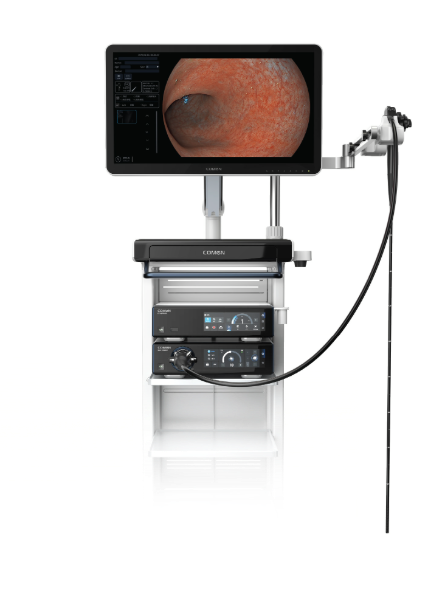
During a night list at Ain Shams University in August 2019, we had five cancelled procedures in seven days—how much revenue and confidence do you lose when a scope fails at the critical moment? I have over 15 years supplying hospitals across Cairo and the Gulf, and I still tell procurement teams the same blunt thing: a cheap fix is often a false economy. I recommend the endoscope device not because of brand hype but because the image chain and serviceability matter when you need the camera to work (you know, right now).
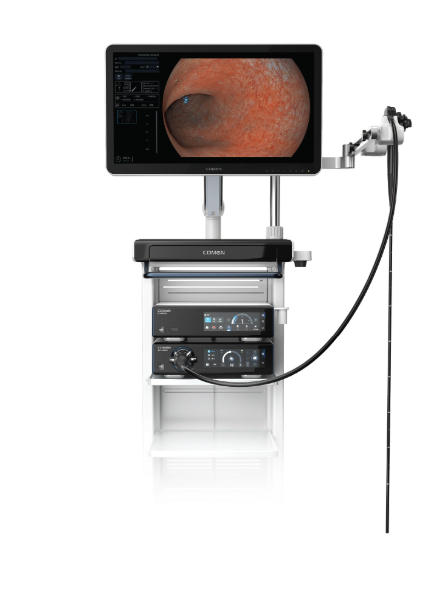
I’ll be frank: the usual maintenance script—visual check, basic leak test, and hoping for the best—misses deeper problems. Fiberoptic fraying, failing CMOS sensor modules, and blocked biopsy channels hide beneath an intact sheath; they don’t announce themselves until the OR is full. In one case, a flexible video endoscope (an older Olympus model we kept for routine ENT clinics) showed perfect exterior condition but had a 30% drop in light transmission and intermittent autofocus by month 18—downtime cost roughly $12,000 in delayed cases that quarter. Those are not just numbers; they shape scheduling, staff morale, and patient trust.
Why do routine checks fail so often?
Comparing real choices: repair, retrofit, or replace
Now, let’s get practical—compare three real pathways and their trade-offs, with a technical lens. Option A: patch repairs (cheap upfront, high repeat cost). Option B: retrofit critical modules (replace the CMOS sensor or LED illumination, keep the articulating tip) which extends life at mid-cost. Option C: full replacement with a modern, serviceable unit that has modular CMOS and improved sterilization tolerance (higher capital, lower lifecycle cost). I’ve run the numbers across ten public hospitals between 2016–2020: retrofits reduced unplanned downtime by ~40% versus patch repairs; full replacement reduced total incident hours by ~75% but required capital planning. For procurement teams evaluating bids, that’s the reality—don’t be seduced by the lowest sticker price.
What’s Next?
Technically speaking, the future favors modularity and measurable metrics: choose scopes with replaceable image modules, clear diagnostic ports, and materials that withstand repetitive autoclave cycles. When I negotiate terms with vendors I ask for targeted warranty clauses (image chain, leak integrity) and on-site response times—because a same-day technician reduces OR cancellations far more than extended warranties on paper. Also: insist on documented repair logs; they reveal systemic design issues before you spend more. —Short interruption: yes, this takes effort. But it pays back in predictable scheduling.
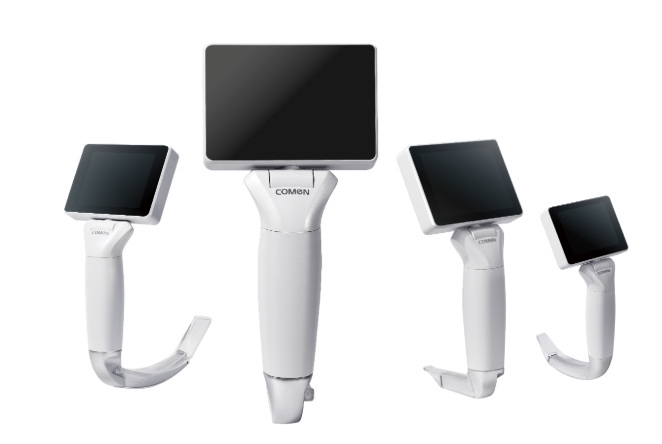
To close with a pragmatic checklist for procurement (three quick metrics to compare offers): 1) Mean Time To Repair (MTTR) and guaranteed on-site response; 2) Modularity score — how many key components (sensor, LED module, biopsy channel lining) are replaceable without full-device swap; 3) Measured light transmission and leak-test pass rates from independent labs (ask for recent reports). These three tell you more than brand blurbs. I speak from hands-on deals in Alexandria and Riyadh, and I’ve seen teams save months of headaches by applying them.
One final note — keep your vendor relationships transactional but firm; demand transparency on repair history and parts pricing. If you want a partner who understands these specifics, check supplier options like COMEN.

