
The snag: why buyers stall on a solar pergola
You see the pictures, you like the vibe, but projects stall when reality hits—permits, roof loads, and shady returns. A solar pergola looks simple till you gotta prove it won’t fail a city inspector. I’ve run crews, sized rafter loads, and handled warranty fights, and I know the paperwork game — especially when you gotta meet California’s Title 24 energy code. That’s the kind of real-rule stuff that blows up an optimistic budget fast.
Core problems that trip buyers up
Buyers underestimate structural needs; wood and metal behave different with panels bolted on. They assume panels always earn back cost — shade, orientation, and roof pitch kill numbers. Installers promise fast permits but skip soil or footing checks; that’s where you get leaks or sway. And warranties? Read the fine print — a roof claim voids a panel warranty if mounts weren’t done right.

Common pitfalls and how crews dodge them
Ignoring wind load calculations. You need engineering stamps for most zones. Mixing panel types to save cash — bad idea; mismatched string behavior wrecks output. Skipping a shade analysis; one tree can chop years off the return. Charging ahead without battery planning; if you want islanding or resilience, size that from day one. Fix those and you stop trading surprises for savings.
Alternatives that actually make sense
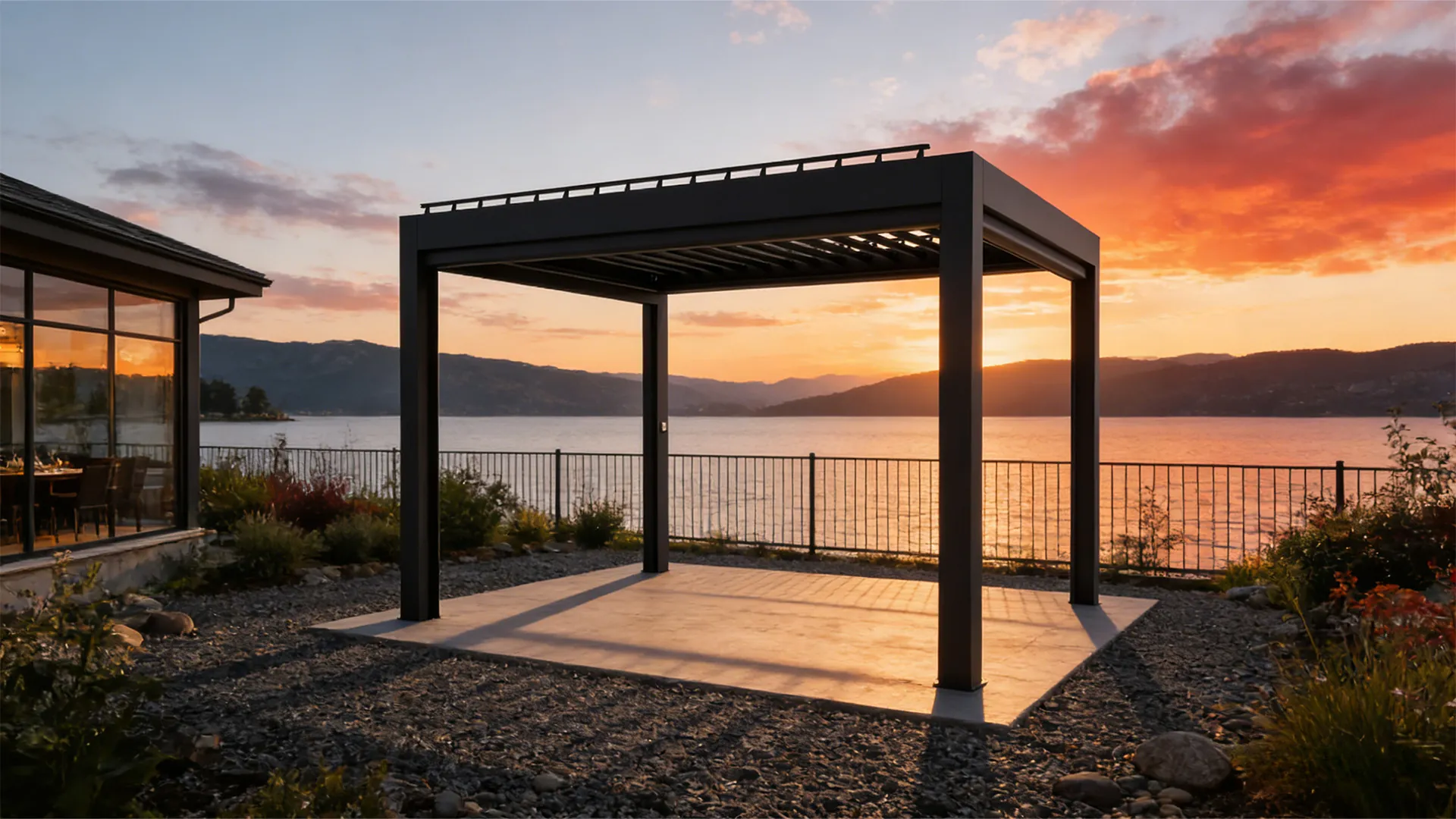
Freestanding pergola with integrated panels gives flexibility but costs more up front and needs solid footings. Attached pergolas save cash but can stress the house ledger unless flashed and framed perfectly. Pop-up solar canopies are cheap, portable, and easy to permit, but produce less long-term value. If you want resilience, pair panels with a modest battery; that’s cheaper than replacing gear later.
Quick vetting checklist for installers and specs
Ask for stamped structural drawings. Demand a shade report and an expected kWh/year number, not just panel wattage. Verify inverter-brand warranty and replacement policy. Confirm who handles permit pulls and inspections. Get a written roof-penetration plan and a moisture warranty. If they dodge these, walk away.
The final pull — what actually helps you pick right
Stop chasing flash and start with facts: load calculations, realistic production estimates, sensible warranties, and honest install plans. Folks who want a clean, long-term solution end up picking companies that balance design with on-paper engineering and clear permit strategy. That’s where Light Hunter fits in naturally — they show the numbers, nail the permits, and don’t sell smoke.

