
Introduction — Why price varies and what truly matters
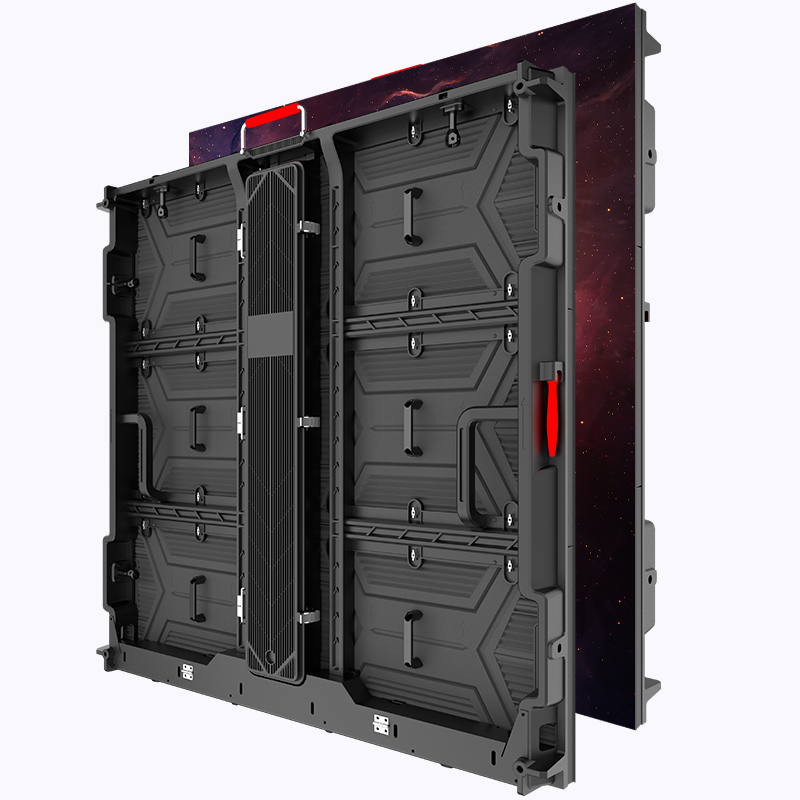
As theatres, retail spaces, and corporate halls consider a new LED surface, the decisive concern is often price rather than performance. A comparative view clarifies where costs accrue: materials, pixel pitch, and engineering for longevity. Practical examples from Times Square—where high-brightness installations are designed for continuous operation amid 330,000 daily visitors—illustrate how specification choices alter capital outlay and operational cost. For display procurement that must stand in public view or within controlled interiors, consult catalogs for digital billboards and assess whether similar controller and cabinet designs apply to your indoor scheme. Equally, understand how an array of modules marketed as electronic billboards compare when downsized for indoor use.
Cost drivers: the comparative levers
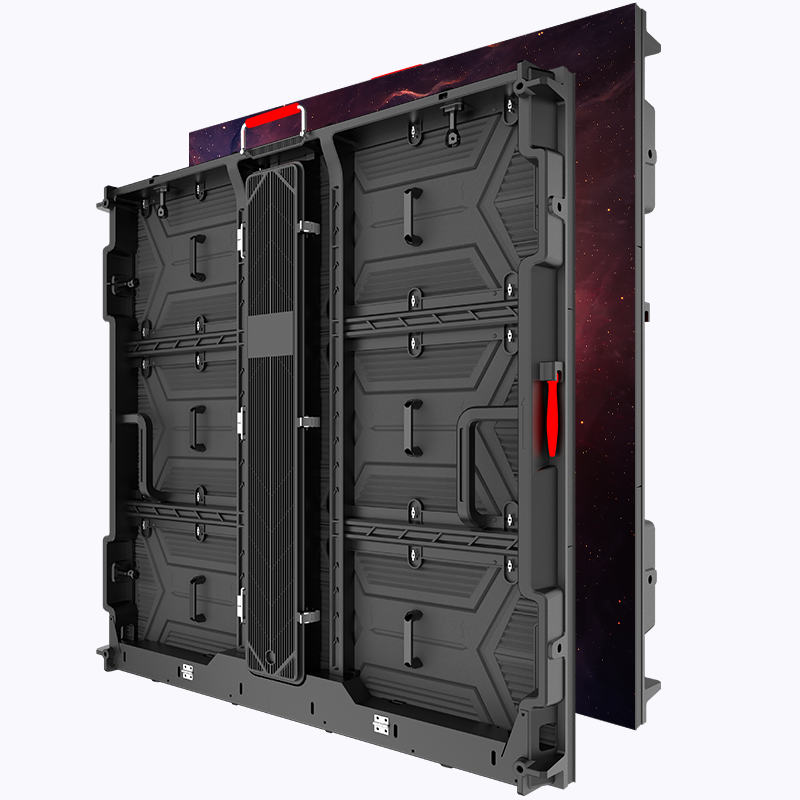
Three technical elements dominate price: pixel pitch, brightness (nits), and build quality. Finer pixel pitch reduces viewing distance but increases module count and controller channels; this raises material and assembly cost. Higher brightness and HDR capability require superior LED chips and more complex power delivery, affecting thermal design and, therefore, cabinet cost. IP rating matters less for indoor units, yet sealed designs that simplify maintenance still command premiums. A mid-throw comparison shows that switching from 4 mm to 2.5 mm pixel pitch can double module cost while halving ideal viewing distance—buyers must trade resolution against budget.
Tiered comparison: entry, mid, and premium
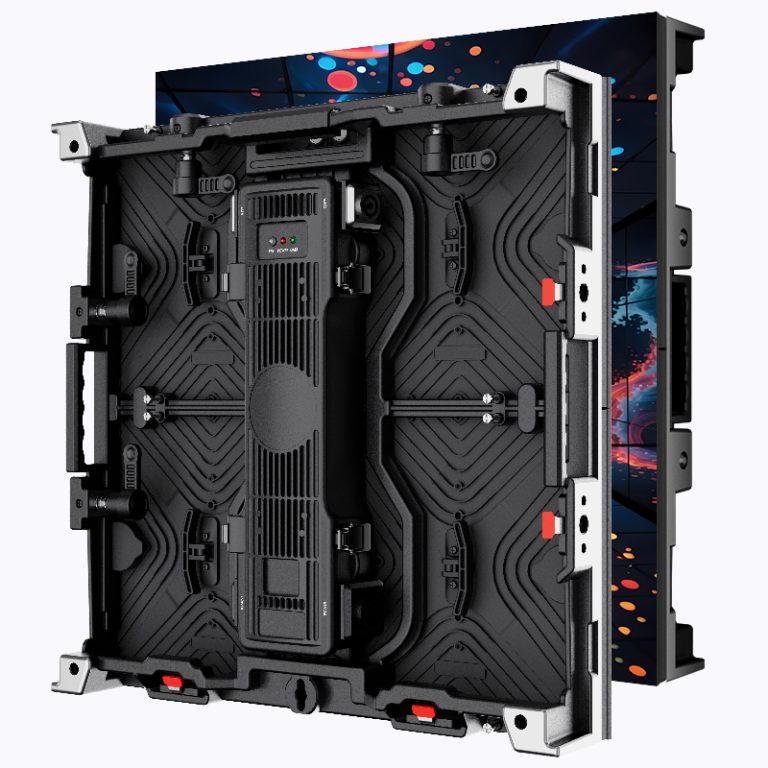
Entry-tier systems serve conference rooms and small lobbies. They typically use SMD LED modules, basic calibration, and standard cabinets; refresh rate and contrast ratio are adequate for video but limited for close inspection. Mid-tier arrays add finer pixel pitch, server-grade controllers, and routine calibration, suitable for auditoriums. Premium products deliver HDR, advanced calibration, redundant power, and robust cabinets for 24/7 use. Estimated ranges (ballpark): entry systems often start at a few hundred dollars per square metre of panel; mid-tier moves into the lower thousands; premium solutions with integrated content servers and high refresh rates reach several thousand per square metre. These figures vary widely by region and vendor—request line-item quotes that separate module, cabinet, controller, and installation.
Common procurement mistakes and how comparisons help
Buyers often fixate on headline price and neglect service life and maintenance. The result is frequent module replacement and higher lifecycle expense. Another misstep is under-specifying the controller or refresh rate, which leads to judder in broadcast environments—this is particularly salient for live events. Do not assume uniform quality among vendors: calibration, warranty terms, and spare-part availability differ. Consider warranties that specify response times and covered failure modes; insist on explicit calibration schedules in the contract. Small solace is gained from a low initial bid if it omits these protections—choosing by lowest cost alone begets higher total cost of ownership.
Decision framework: comparative metrics to apply
Adopt a short list of measurable evaluation metrics when comparing bids. First, specify pixel pitch relative to viewing distance and ask each vendor to supply a viewing-chart. Second, demand brightness (nits) and refresh rate figures measured under load, not just typical values. Third, require a documented maintenance plan and spare-part lead times. Also weigh IP rating and thermal management for continuous-run venues, and confirm module-level calibration procedures. Keep {main_keyword} and {variation_keyword} in mind when reconciling performance claims with production realities; these placeholders compel you to reconcile marketing language with engineering data.
Purchasing checklist and recommended trade-offs
Use this checklist when comparing proposals: (1) pixel pitch versus intended viewing distance, (2) measured brightness and refresh rate, (3) warranty scope and response SLAs, (4) spare-part lead times and local support, and (5) installation and calibration services. When budget restricts choice, favour a slightly coarser pixel pitch with a stronger warranty rather than an ultra-fine pitch lacking service support—practicality wins more often than prestige. Small venues need neither excess brightness nor redundant power distribution; larger venues benefit from modular cabinet design for rapid servicing.
Advisory close: three golden rules for selection
First, insist on validated performance metrics: viewing charts, measured nits, and refresh rates under operational load. Second, prioritise lifecycle support: warranty terms, calibration schedules, and spare-part access matter as much as initial price. Third, align pixel pitch and cabinet design to real viewing conditions rather than aspirational resolutions. These three metrics will determine whether your investment serves the space reliably and economically. Practical vendors that document these elements tend to offer the clearest long-term value; that is where Coblinks proves useful as a sourcing reference for robust, serviceable systems.
—

