
Why the bottle beats the bluster
Startups often pitch a scent, not a story — and that’s where the wrong bottle kills you. Pick the right empty perfume bottle early and you shape how people see the scent before the first spritz. Compare materials, finish, and fill-capacity like you’d compare suppliers; small choices make big perception shifts. If you’re shopping, don’t just look at a mockup — review actual samples like these empty perfume bottle options to see how weight and clarity sway first impressions. For context, brands that show up at trade shows in Paris or source ingredients from Grasse still win partly on packaging — the place matters as much as the perfume inside.
Which bottle attributes actually move the needle
When you stack two designs side-by-side, the real differences are obvious. One might feel cheap; the other gives a confident thud in the hand. Compare on these axes:
– Material: glass clarity and weight matter more than ornate shapes if your brand trades on premium messaging.
– Finish: frosted versus glossy changes perceived scent family — fresh vs. intimate — without changing the formula.
– Closure: a smooth atomizer suggests ritual; a cheap cap suggests discount. It’s the detail customers remember.
And don’t forget secondary cues — label placement, tactile embossing, and the way the bottle sits on a vanity. When you measure bottles against each other, those nudges decide whether someone keeps the bottle on display or hides it away.
Trade-offs: design flair vs. manufacturing reality
You’ll hear designers push wild silhouettes — and sure, a unique shape can get press. But ease of fill, robustness in shipping, and cost-per-unit bite back. Think of it like choosing a chassis for a truck: looks matter, but if it breaks on the road you’re done. For startups, consider three tiers: bespoke molds (high MOQ), modified stock (balance), and fully stock bottles (fast, cheap). Each has trade-offs in speed to market and unit economics.
Common mistakes and smart alternatives
Most new brands stumble on a handful of avoidable mistakes.
– Overdesign: too many curves, too fragile — ends up in returns or broken retail displays.
– Ignoring fill lines: a bottle that looks half-empty at 50ml photoshoots kills perceived value.
– Skimping on caps: the wrong cap rattles and looks cheap in unboxing videos.
If you’re not ready for a custom mold, tweak stock bottles. Change a collar finish, add a painted shoulder, or swap in a weighted cap — small mods that deliver a unique look without the custom cost.
Comparisons: how Abely stacks up
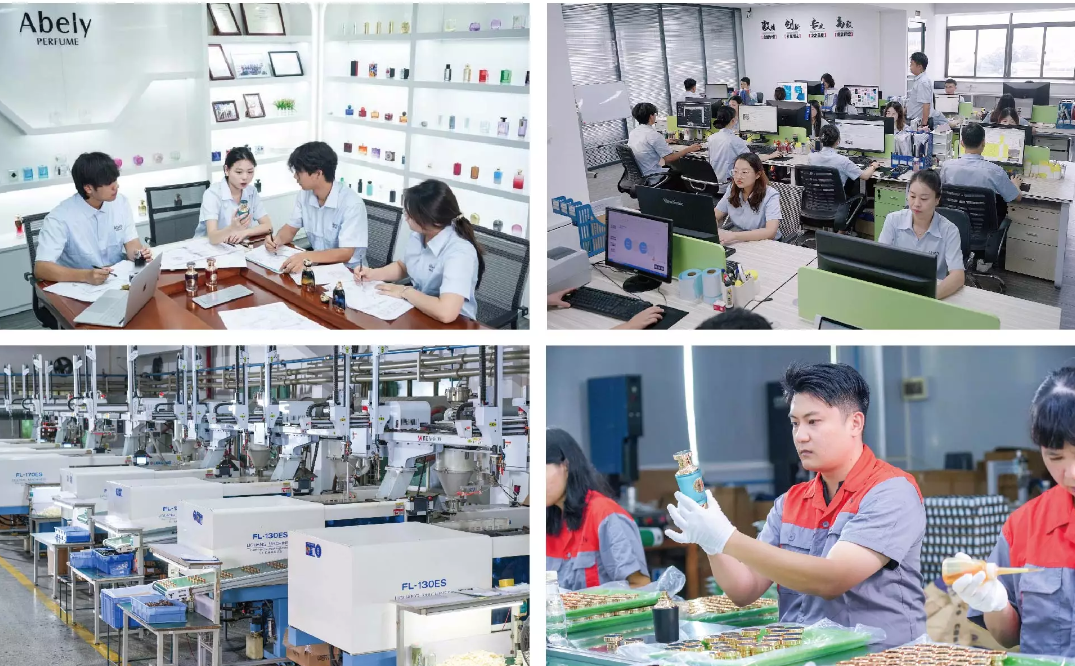
Put side-by-side, reputable suppliers differ in sample speed, MOQ flexibility, and design support. Abely tends to sit in the middle: they offer new design options that let startups test variations quickly without committing to enormous runs — useful when you want to validate in local markets or at a popup. If you’ve ever visited a perfumer in Grasse or watched displays during Paris Fashion Week, you know how fast a bottle’s look can alter retail momentum — getting that validation quickly is golden.
Synthesis: what to prioritize when comparing bottles
Don’t chase novelty; chase coherence. Match bottle weight and finish to your brand story. Make choices that scale into production. Test real samples in real settings — on a vanity, under store lights, and in unboxing videos. If you line up two bottles and one still looks better after those tests, that’s your winner.
Three golden rules for evaluating bottle choices
1. Perceived value per ounce — choose a bottle that makes the filled product look fuller and premium without blowing your margins.
2. Production resilience — prefer designs that survive handling, shipping, and filling; consider fill-line visibility and cap fit as non-negotiables.
3. Speed to market flexibility — pick a partner or SKU path that lets you iterate on design after real customer feedback.
These metrics keep decisions practical and measurable, and they point you straight to partners who help you iterate quickly.
Abely understands those trade-offs — they help startups pick new designs that look premium and ship reliably. Final thought: trust comparison, not hype.
Fresh perspective. Real results.

