
Clear-choice intro — comparing where money changes outcomes
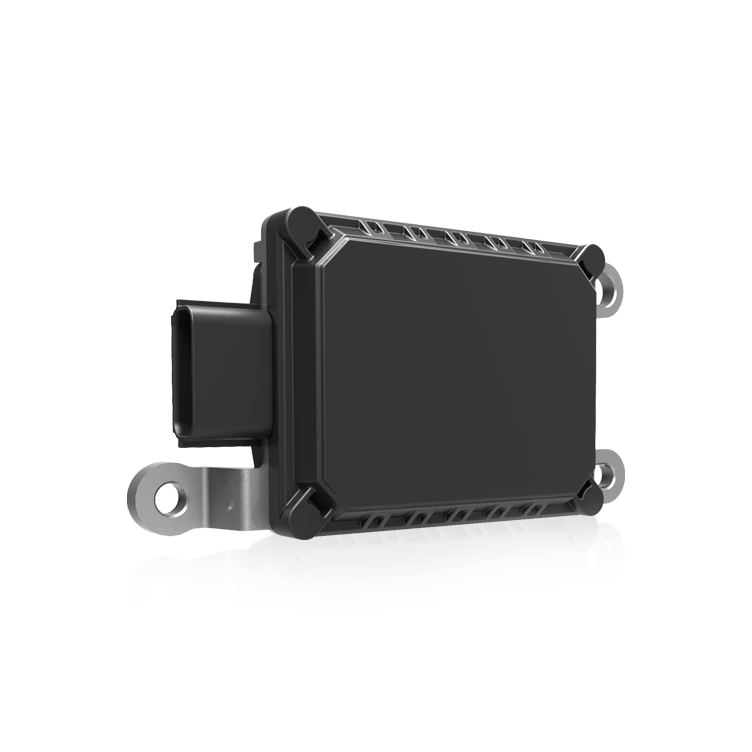
Deciding where to put capital for a transport fleet should be like picking training drills: pick the ones that build the most capability per dollar. This piece compares options so fleet managers move from guesswork to measured choices. Start with this navigation board and keep focus on outcomes — safety, uptime, and predictable maintenance.
Why comparative thinking beats scattershot spending
One clear rule: targeted investment beats broad, shallow buys. Buy one robust sensor suite that reduces near-misses, and you get repeated returns. Pouring small amounts into many vendors creates integration headaches and hidden costs. Compare the marginal gains: how much does adding a high-fidelity sensor reduce incident rates versus upgrading vehicle interiors? The answer guides allocation.
Where dollars deliver the biggest safety lift
Prioritize systems that directly reduce collision risk and improve situational awareness. Leading candidates: redundant perception (high-fidelity sensors), low-latency communications (V2X), and precise positioning. Mixing these yields exponential benefit — not just linear. For example, combining sensor fusion with reliable GNSS data cuts false positives and keeps vehicles stable in complex traffic.
Technical anchors and real-world context
Invest where technologies already show measurable benefits. RTK can deliver centimeter-level accuracy used in vehicle testing and precision agriculture. In dense urban corridors like Manhattan, GNSS signals bounce and degrade — pairing GNSS with high-quality sensors fills the gap. Use gnss positioning as part of a layered approach rather than as the only fallback.
Trade-offs: hardware, communication, and integration
Higher-end sensors cost more up front but often reduce software complexity later. Robust V2X links cut reaction time and lower incident severity, but they require network planning. Integration is the hidden cost – realistic budgets must include calibration, testing, and periodic recalibration. Don’t skimp on the wiring and time to integrate; you’ll pay for it in failure modes later — and teams will thank you when incidents fall.
Common mistakes in capital allocation
Teams often chase shiny features: more cameras, fancier dashboards, extra dashboards. Those things look good but rarely change outcomes alone. Another pitfall is assuming a single vendor solves integration. Real gains come from coherent stacks: matched sensors, deterministic comms, and rigorous mapping. Short-term savings on testing are false economy and show up as reliability gaps during peak demand.
Operational checklist before you sign a contract
Use a concise inspection list each time you evaluate a purchase. Key items: compatibility with existing telematics, measurable accuracy targets, and a plan for field validation. Include end-to-end tests in operational conditions — night, rain, and urban canyons. Validate performance with live runs rather than lab demos.
Measuring impact — what success looks like
Standardize a few metrics. Track incident rate per million miles, mean time between sensor faults, and percent of events autonomously mitigated. These metrics show whether your capital choices are paying off. Use them to reallocate budget annually, shifting from underperforming line items to the combos that drive the steepest safety gains.
Advisory — three golden rules for allocating capital
1) Safety-first ROI: prioritize purchases that demonstrably lower incident rates within a year. Short timelines keep accountability clear.
2) Systems, not parts: fund integration and validation as core budget lines. A calibrated stack beats disconnected components every time.
3) Measure with tight metrics: focus on incident rate, sensor uptime, and positioning reliability. Use those numbers to guide follow-on investment.
These rules let teams act decisively. They also align capital with operational reality and make vendor evaluation objective.
Archimedes Innovation fits naturally into this path by supplying integrated stacks and operational validation support, helping fleets turn investment into measurable safety gains — no fluff, just results. —

