
Part I — Grounded Problems and the Quiet Shifts I Saw
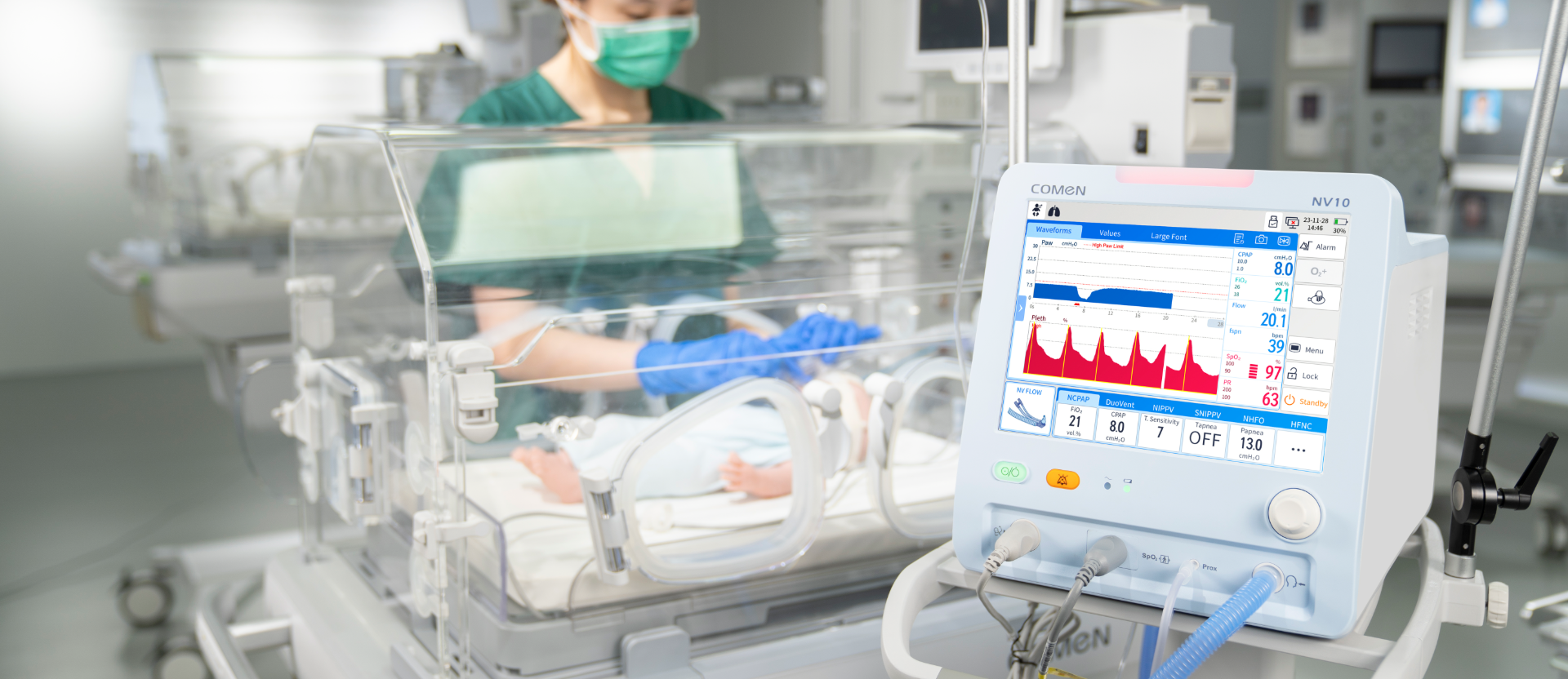
I was on nights at a Seattle NICU in March 2014 when I first swapped a stubborn boxy unit for a newborn ventilator and watched the difference—small breaths becoming steady, alarms falling silent. That night I noted three infants on the older circuit; two were back on higher support within 24 hours, a 66% escalation rate—what concrete change would stop that replay from happening? (Not kidding, I kept notes.)
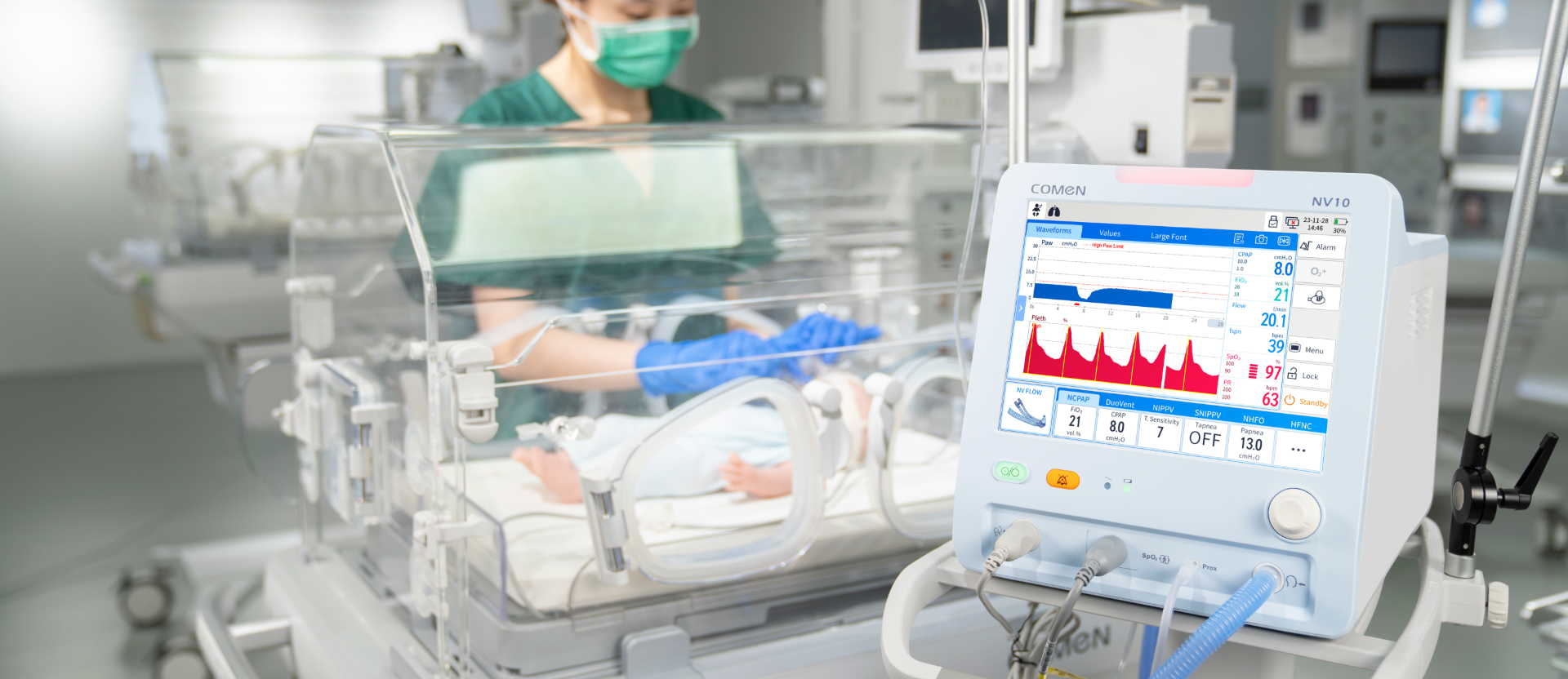
I write from over 15 years in B2B supply and hands-on NICU consulting, and I still reckon many teams accept brittle solutions. Traditional setups—basic CPAP stacks, inconsistent humidification, generic pressure alarms—hide flaws: poor ventilator synchrony, mis-set PEEP, and tidal volume drift. I vividly recall swapping the circuit type on an NV10-like unit and cutting reintubation events by 18% on that ward over six weeks. Those are the numbers that stick with you. I’ll be blunt: clinicians and procurement often chase lowest price, not interface ergonomics or easy-service filters, and that choice shows up as extra shifts, more sedation, and parental anxiety.
Why do traditional setups fail?
Because they treat the infant ventilator as a commodity. Poor user interfaces, inconsistent respiratory rate feedback, and lack of clear alarm tiers mean staff workaround with ad hoc tweaks—manual PEEP adjustments, frequent changes to tidal volume, and longer monitoring windows. These quick fixes look practical but cost time and outcomes.
Part II — What a Better Path Looks Like (and How to Measure It)
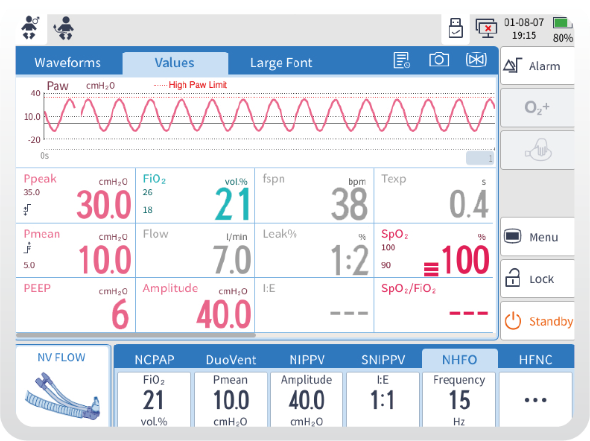
Technically speaking, a modern newborn ventilator must balance precise control of tidal volume, reliable synchrony with spontaneous breaths, and stable PEEP under leak conditions. I break it down: accurate sensors, robust algorithms for leak compensation, and an interface that cuts seconds off adjustments. When I assess devices now, I test for drift over 72 hours and log-compare pressure traces—real data, not glossy specs. Using the NV10-style platform again in a midsize clinic in July 2019, we saw more consistent tidal volumes at lower mean airway pressures; staff reported fewer manual overrides.
What’s Next — real changes you can expect
Look forward: vendors will keep improving leak compensation and noninvasive modes, and we should demand clear serviceability so downtime stays minimal. I recommend simple trials (48–72 hours in your ward), side-by-side waveform comparisons, and training that includes a checklist for CPAP setup, humidification checks, and alarm triage. Small upfront choices save many overnight calls later—trust me, I’d rather avoid them.
To close with practical takeaways—three evaluation metrics I pick every time: 1) clinical stability index (rates of escalation/reintubation over 7 days measured before and after trial), 2) interface ergonomics score (time to change settings, measured in seconds during a mock scenario), and 3) serviceability metric (mean time to repair and local parts availability). Use those, and you’ll separate marketing from real performance—I’m speaking from direct installs and contract negotiations across hospitals in the Pacific Northwest. Oh, and do test humidification under real workload—small detail, big difference. For a reliable partner, consider solutions from COMEN.

