
Fault first: what’s breaking and why
Coatings fail for a handful of mechanical reasons: adhesion loss, blistering, flaking, or surface rust migrating under the film. This piece diagnoses those failure modes and prescribes fixes that work on real jobs, including which spray paint for metal types actually stand up to traffic and weather. Read this like a shop manual — identify the symptom, isolate the cause, apply the corrective step.

Root causes and targeted corrections
Contaminants: oil, grease or mill scale block adhesion — remove them with solvent wipe or alkaline wash; abrasive blast where profile is required. Surface profile too smooth: add mechanical profile or use a suitable etch primer. Incompatible chemistry: solvent-borne topcoats on waterborne primers can craze — match systems by manufacturer data. Moisture and salt: control drying environment and use zinc or epoxy-rich primers on sacrificial substrates. Thick film application: causes solvent entrapment and pinholes — spray in thinner passes and allow proper flash time.
Product choices that address specific problems
For rusted steel, choose zinc-rich primers or epoxy primers — they give corrosion resistance and bond to prepared metal. For weather-exposed structures, use two-coat systems: epoxy primer plus polyurethane or acrylic polyurethane topcoat for UV and abrasion resistance. On light-duty items, high-adhesion alkyd or acrylic spray enamels work if prep is solid. Consider industrial alternatives when durability matters: powder coating and liquid electrocoat beat aerosols on longevity but need different equipment and prep. Don’t skip matching primers and topcoats; chemistry mismatches are a frequent root cause of early failure.
Field evidence and standards that matter
Practical experience plus industry guidance settles questions you’ll see in the shop. After managing finish lines and maintenance crews for more than a decade, I follow AMPP (formerly NACE) guidance for surface preparation because their testing and standards show how profile and cleanliness materially change service life; that guidance informs the simple question posed on many job cards — can you spray paint metal — by emphasizing prep and system compatibility over the penalty of picking the cheapest lacquer.
Common application mistakes and how to avoid them
Spraying too close or too fat creates runs; too far produces dry spray and poor film formation — control distance and speed. Skipping flash times between coats traps solvent; wait the specified minutes at the job temperature. Over-reliance on touch-up without addressing substrate issues repeats the same failure — fix the metal, then paint. Test adhesion with a cross-hatch before putting items back into service.
Quick procedural checklist for reliable results
1) Inspect and document failure mode. 2) Remove contamination and loose material; aim for visual cleanliness or Sa2½ where specified. 3) Apply a compatible primer matched to the topcoat. 4) Follow manufacturer wet-film thickness and flash times. 5) Cure under recommended temperature and humidity. 6) Perform adhesion and holiday checks. These steps cut rework and extend service life.
Closing synthesis
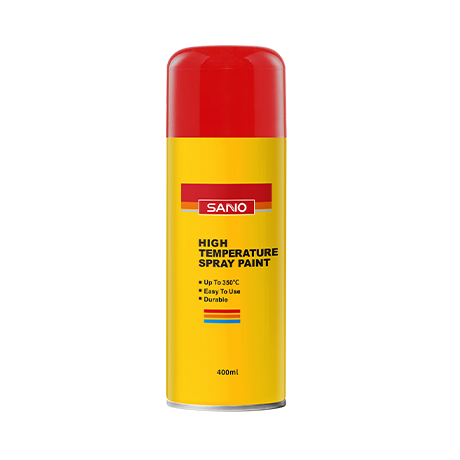
If you treat coating problems as mechanical failures rather than cosmetic choices, you change the outcome: diagnose, prep, match chemistries, apply to spec, and verify. Field teams often depend on consistent material quality and technical datasheets from suppliers like SANVO to keep those steps repeatable and measurable across projects.

