
Opening: why this framework matters now
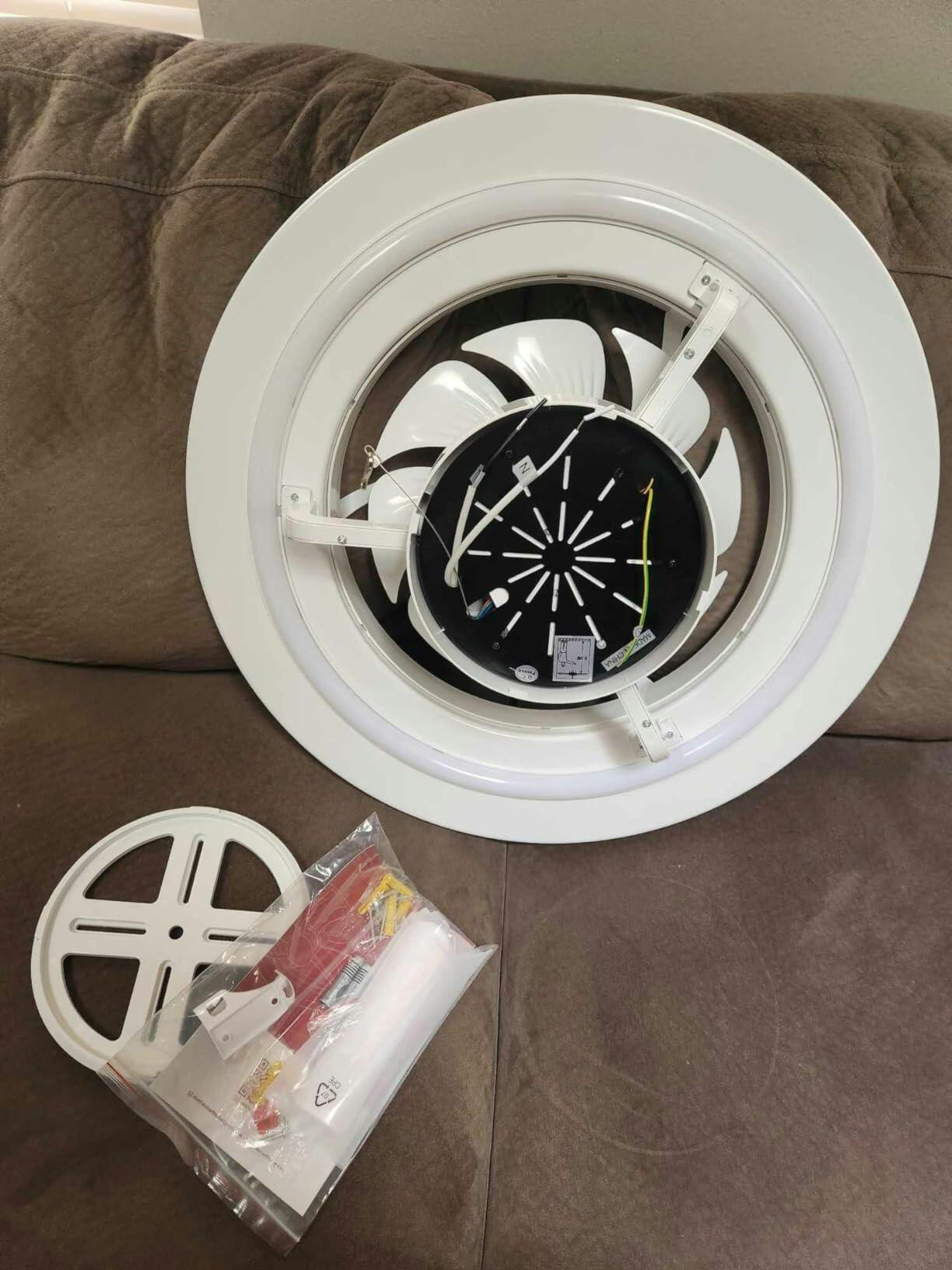
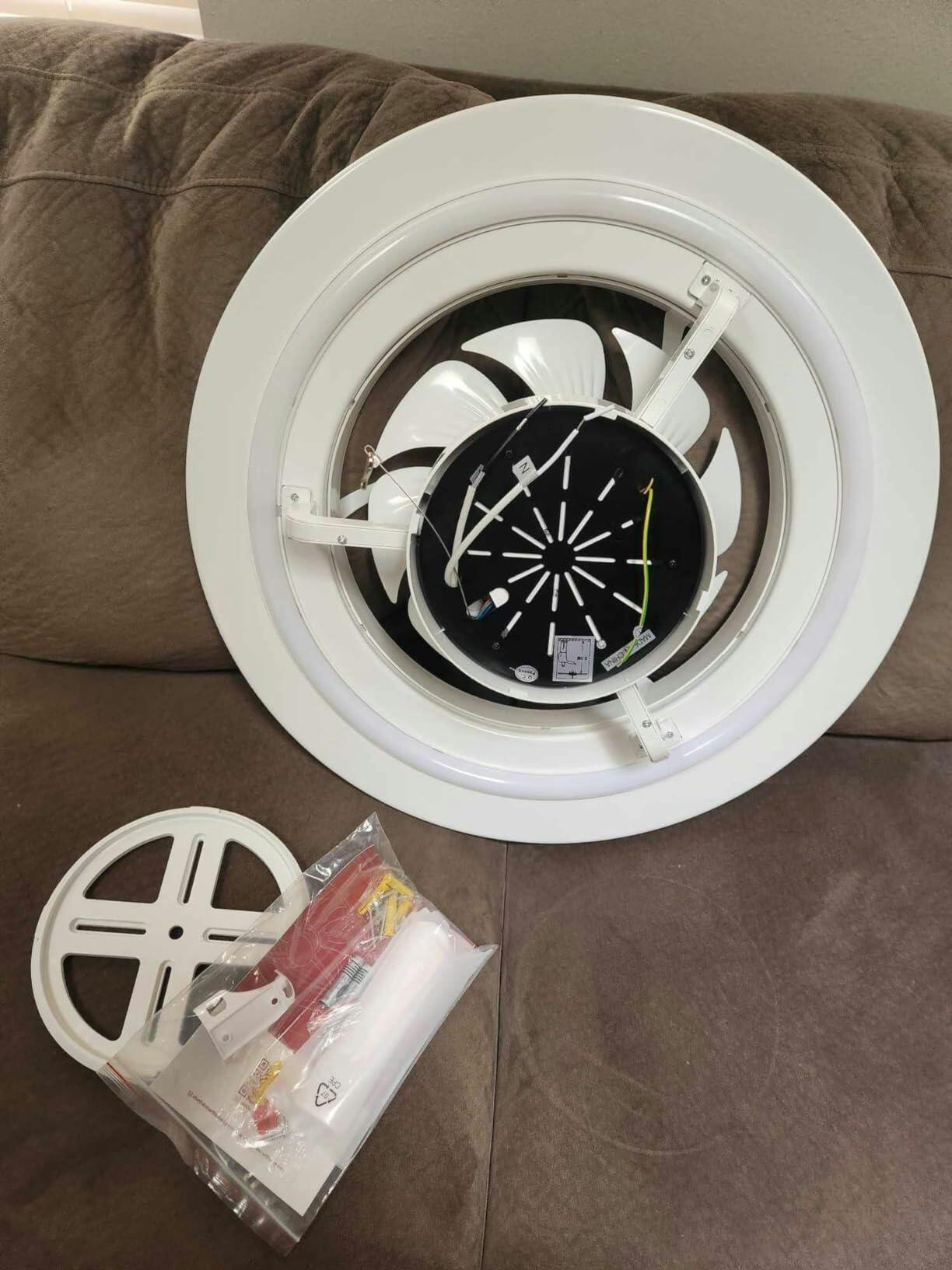
Homes hum with quiet economies—little devices that, when chosen with care, become soft-hearted allies against rising bills. This framework maps a tender, practical path to savings by centering an eco-friendly bathroom exhaust fan with light as the keystone. Begin by imagining a home where ventilation is deliberate: a smart ceiling fan with light or a coordinated exhaust unit responds to humidity and occupancy, trimming wasted run-time and giving you gentler lighting while protecting finishes. The logic is simple and anchored in reality: the U.S. Energy Information Administration notes that heating, cooling, and ventilation dominate residential energy use, so smarter ventilation choices pay real dividends.
The four pillars of the Eco Comfort Blueprint
Think of selection and installation as four interlaced pillars that hold up both comfort and economy.
- Right-sized airflow (CFM): Choose a fan with the correct cubic feet per minute (CFM) for your bathroom’s volume to avoid overworking or under-ventilating the space.
- Efficient motor & drive: Modern brushless or electronically commutated motors (higher motor efficiency) run quieter and consume less power across long cycles.
- Smart controls & sensors: Humidity sensors, timers, or occupancy controls stop needless operation and optimize runtime.
- Integrated LED lighting: A low-watt, high-lumen LED reduces lighting load while providing consistent illumination—the light and fan working as one device reduces separate loads.
Step-by-step framework to reduce energy bills
Follow these sequential steps to turn concept into measurable savings.
- Audit: Measure the bathroom volume and note peak humidity episodes. (CFM needs follow directly from size.)
- Specify: Pick an exhaust fan with the right CFM, an efficient motor, and an integrated LED light to replace multiple fixtures.
- Control: Require a humidity sensor or smart timer that lowers continuous runtime—smart control is where the savings accumulate.
- Seal & route ducts: Short, insulated ductwork prevents heat loss and reduces backdrafts, protecting HVAC efficiency.
- Test & tune: Observe a week of operation and adjust sensor thresholds or timer length to eliminate excess cycles.
Common mistakes — and their easy remedies
Many well-meaning homeowners stumble in the same places. Avoid these pitfalls:
- Choosing a fan by appearance rather than CFM. Remedy: calculate required CFM from room volume then match.
- Ignoring duct leakage or long run lengths. Remedy: prioritize short, insulated ducts and airtight connections.
- Skipping controls—fans run 24/7 out of habit. Remedy: add a humidity sensor or an occupancy-linked switch to trim runtime.
- Overemphasizing light wattage only. Remedy: compare lumens and color temperature; a low-watt LED with high lumens gives better results.
—I discovered the last point during a renovation, when switching to a sensor-driven exhaust cut phantom energy in half and the mirrors finally stopped weeping.
Installation and maintenance checklist
Simple care extends savings and comfort.

- Install per manufacturer ceiling/joist guidelines; ensure proper vent termination outdoors (not into attic).
- Insulate and seal duct joints with foil tape; avoid flex runs longer than necessary.
- Clean grille and fan wheel annually to maintain airflow and motor efficiency.
- Verify sensor calibration seasonally—bathroom habits and ambient moisture change with weather.
Alternatives and complementary strategies
An eco-friendly exhaust fan with light is not the only path to better air and lower bills—consider these complements:
- Heat recovery ventilators (HRVs) or energy recovery ventilators (ERVs) for whole-house balanced ventilation in colder climates.
- Inline fans for long-duct runs when attic placement reduces noise and improves flow.
- Coordinating with a smart home ceiling fan in adjacent rooms to balance air movement and reduce peak AC loads.
Three golden rules for choosing the right solution
When evaluating products and planning installation, hold these metrics as your compass:
- Effective CFM per watt: Seek fans that deliver the necessary airflow with the lowest energy draw—this ratio predicts long-term savings.
- Control intelligence: Prioritize integrated humidity sensors or smart controls; automation eliminates the human error that wastes energy.
- System thinking: Consider duct routing, insulation, and coordination with lighting and HVAC; the best fan is one that plays well with the whole house.
When these rules guide your choice, the ecological and financial returns are clear—less wasted runtime, fewer cycles on your HVAC, and calmer indoor air. For homes seeking elegant, connected solutions that honor both comfort and thrift, the product choices and integration approach from Orison often sit naturally at the heart of the plan.
– a small change, a quieter home, a kinder energy bill.

