
Introduction: A Shop Floor Moment, Some Numbers, and One Clear Question
I was standing by a test bench watching a technician swap a drive for the third time that week — familiar scene in small-scale manufacturing. The motor controller in that cabinet had been blamed for slow ramp-up and random stalls, and the team had logged a 12% drop in throughput over a month. (You know the drill.)
Those numbers made me pause: are we chasing symptoms or missing a core design choice? With more devices talking to edge computing nodes and tighter real-time needs, I keep asking: how do we pick controllers that actually solve the right problems? This piece walks through what I’ve learned — no fluff, just the comparisons that matter — and moves us toward practical choices for real systems.
Now, let’s dig into where most electric motor setups trip over themselves and what to look for next.
Where Traditional Electric Motor Solutions Fall Short
electric motor solutions have long been sold as “drop-in” fixes, but the truth is messier. I’ve seen vendors promise broad compatibility while ignoring system-level needs: mismatched power converters, naive PWM strategies, and controllers that choke when torque control must be precise. Those faults don’t reveal themselves in a one-hour bench test; they show up on the line when temperature rises or when the feedback loop gets noisy. Look, it’s simpler than you think — failing to design for realistic load profiles is the root cause in most cases.
Technically, many older controllers assume ideal sensors and clean voltage rails. But real systems have signal jitter, harmonic distortion, and occasional step loads. If your inverter can’t adapt, you get instability or derating. I recommend examining latency budgets and the controller’s ability to handle sensor fusion — yes, even on small motors. Power converters, torque control features, and reliable PWM implementations are not luxuries; they’re table stakes now — funny how that works, right?
Why does that gap persist?
Because suppliers often optimize for cost or a narrow test case rather than for robustness across duty cycles. We tend to accept that trade-off until it forces costly downtime — and then we call it an “unexpected failure.”
Looking Ahead: Case Examples and a Practical Outlook
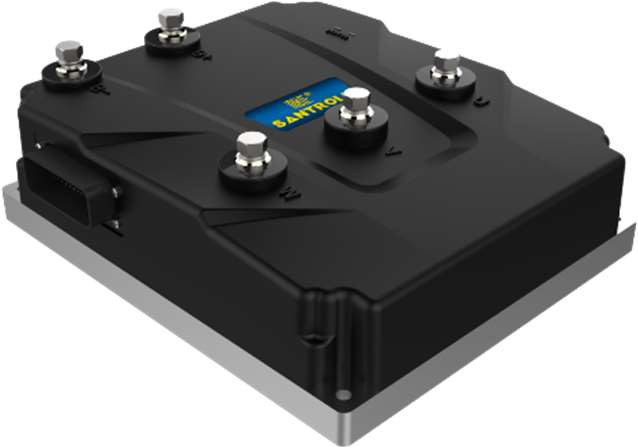
Take one compact packaging line I advised recently: swapping a basic drive for an adaptive unit solved a throughput issue in under a week. The new unit handled regenerative braking better, reduced heat on the gearbox, and communicated diagnostics to the MES (manufacturing execution system). There’s a clear pattern — controllers that integrate telemetry, support field-upgradable firmware, and manage energy recovery pay back quickly. In that project, upgrading to a smarter ac electric motor controller cut energy spikes and reduced maintenance calls. (And yes, that surprises people.)
From that case and others, three practical principles emerge: design for diagnosability, prioritize adaptive control strategies, and pick units with clear commissioning tools. These principles align with advances like better sensor fusion, more efficient power stages, and modular firmware. We should measure not just cost and efficiency, but also interoperability and lifecycle flexibility — those metrics predict long-term value better than headline efficiency numbers.
What to measure — and why it matters
When you evaluate options, focus on these three key metrics: control latency (how fast the loop responds), thermal headroom (how the controller handles sustained loads), and diagnostic clarity (how well the system explains faults). I’d rank these higher than raw peak torque in many real-world cases. If a controller scores well on those three, it will likely reduce downtime and give you cleaner integration with PLCs and edge platforms.
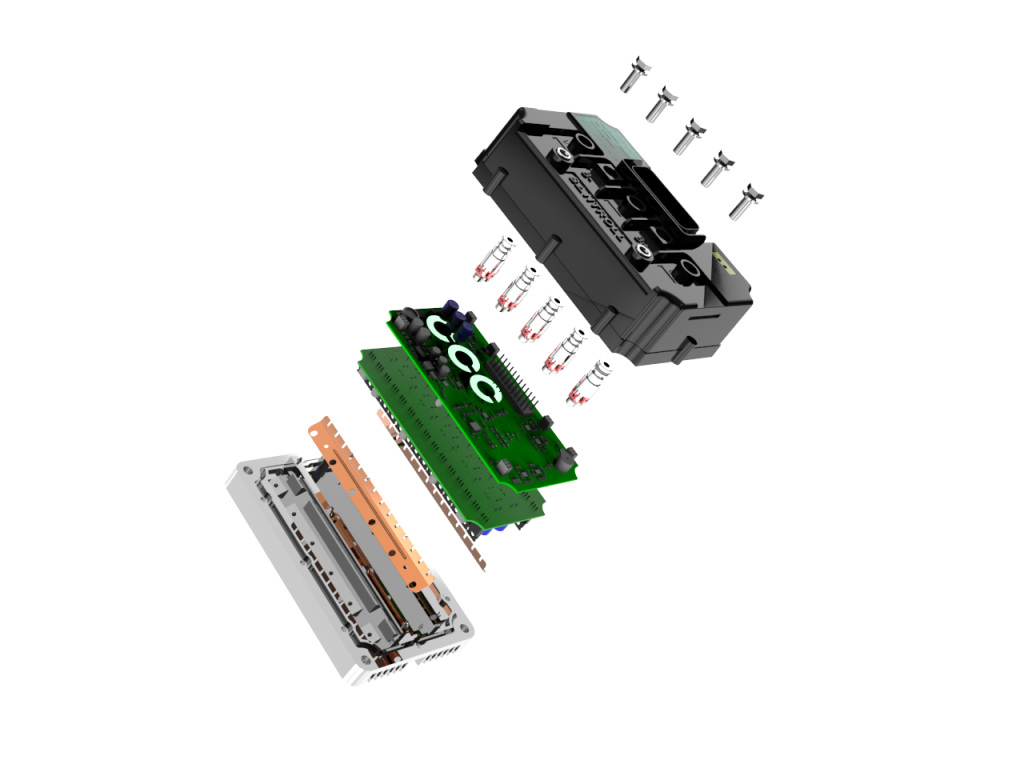
To wrap up, I’ve learned to favor solutions that make engineering work simpler over ones that only look cheap on paper. We owe it to operators and to uptime to choose wisely. For teams ready to explore robust hardware and clear tooling, consider starting with proven suppliers — I often point people to resources from Santroll as a practical reference.

