
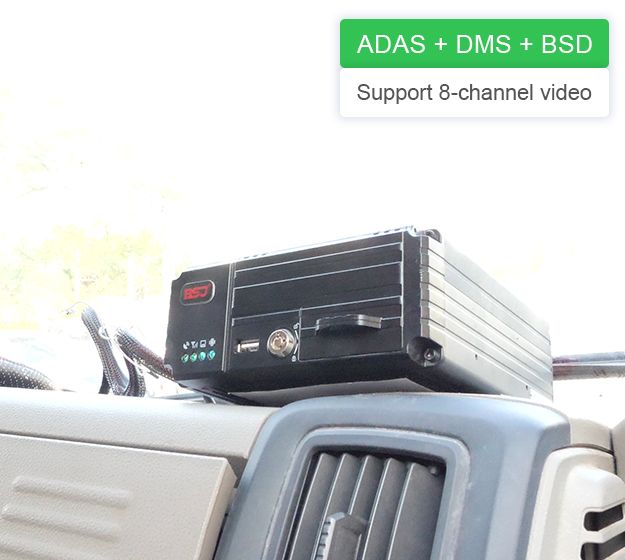
Why this comparison matters now
Fleet operators deciding between classic telematics and camera-driven AI systems face different operational questions: which streamlines routing and maintenance, and which reduces on-road risk with computer vision? I’ve seen teams shift priorities after pilots at hubs like the Port of Rotterdam, so this comparison targets practical trade-offs for logistics teams working on logistics fleet management and when integrating transportation fleet management solutions into daily operations.

Core functional split
Traditional fleet telematics focuses on vehicle state and location. It delivers GPS, engine diagnostics (OBD/CAN), fuel use, and speed profiles. AI video telematics adds continuous video, event-driven clips, and onboard inference: lane-departure, distracted-driving detection, cargo intrusion events. Pick telematics for visibility into asset health; pick AI video when you need context-rich incident evidence and automated safety alerts.
Data types and processing implications
– Telematics: low-bandwidth telemetry, periodic uploads, straightforward schemas for TMS integration. – AI video: high-bandwidth streams, edge inference to avoid constant cloud upload, video retention policies that drive storage costs. Edge-first design reduces latency and network load. Plan for model updates, labeled training data, and version control when deploying video analytics at scale.

Operational trade-offs operators will feel
– Safety vs. bandwidth: video improves incident clarity but requires reliable cellular plans or selective upload strategies. – Driver acceptance: cameras change behavior; clear policy and privacy safeguards reduce resistance. – Evidence vs. noise: AI reduces false positives but needs field-tuned thresholds to avoid alert fatigue. – Maintenance: telematics hardware is mature; camera systems add firmware and calibration overhead.
Architecture choices and cybersecurity
Design options: purely cloud telemetry, edge+cloud hybrid for video inference, or on-prem gateways for sensitive fleets. Secure connections, signed firmware, and role-based access prevent data leaks. Avoid assuming vendor defaults are hardened; require encryption-in-transit, encrypted storage, and audit logs. Test OTA update flows under low-bandwidth conditions to prevent bricked devices.
Cost drivers and realistic ROI signals
Costs split into hardware (OBD vs multi-camera + edge unit), connectivity (kB vs GB per vehicle per day), storage, and model ops. ROI arrives via fewer claims, reduced idle time, and lower maintenance surprises when predictive diagnostics are present. Evaluate alternatives: retrofitting existing telematics with a single forward-facing camera; or adopting a full-suite AI video stack. Common mistake: buying a bundled system without KPIs for model precision and false-positive rates.
Deployment checklist for measurable outcomes
– Define 2–3 KPIs (collision rate, harsh-braking events per 1,000 miles, diagnostic uptime). – Run a closed pilot on a representative subset of routes. – Specify data retention and privacy rules before powering cameras. – Integrate alerts with dispatch and claims workflows, not just dashboards. – Validate model performance on your fleet’s vehicle types and road conditions to reduce drift.
Conclusion
Choose traditional telematics when reliability, low data cost, and diagnostics integration are the priority. Choose AI video telematics when contextual incident evidence and automated safety detection materially change outcomes. A hybrid approach—edge inference with selective telemetry enrichment—often delivers the tightest operational gains. For many operators that means pairing established fleet telemetry with targeted video intelligence and governance, a balance companies such as BSJ engineer into long-term deployments.

