
Get clear on the problem you’re tryin’ to solve
If you’re huntin’ for gear, start by naming the failure mode you care about — is it UV fade, salt spray corrosion, tensile break, or repeatable microhardness readings? That clarity separates sellers who sell shiny promises from folks who solve problems. If your work touches outdoor coatings or polymer lifetime, consider whether you need a dedicated weathering chamber or just a bench-top tester. Say it plain: what test, what spec, what pass/fail threshold. That narrows the field faster than a hot wind in August.
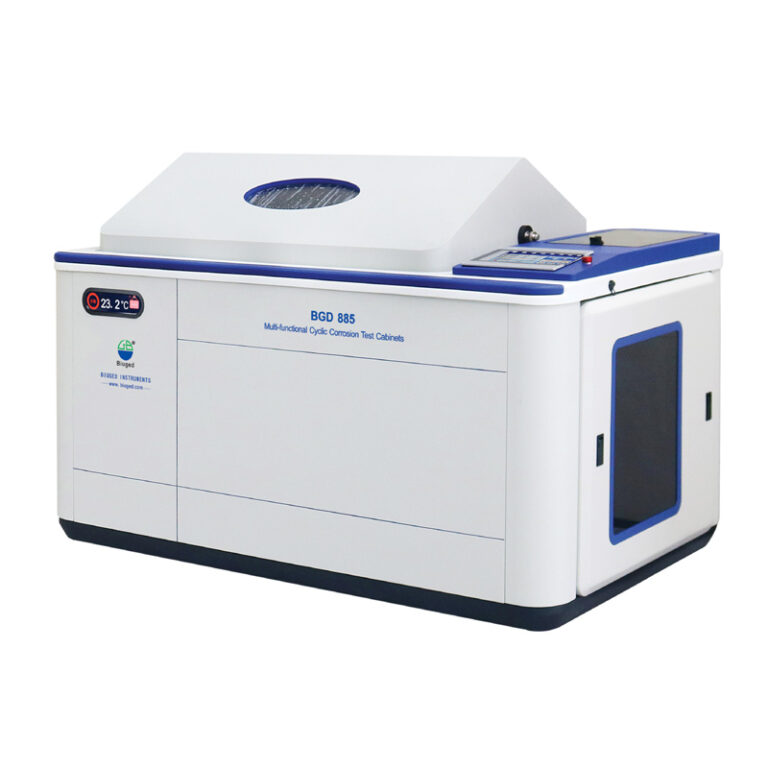
Compare the core technical criteria, side-by-side
Ask the same technical questions to every manufacturer and supplier. Look for instrument accuracy, repeatability, calibration procedure, environmental control range, ramp rates, and data export formats. Match test method support (ASTM, ISO, IEC) to your lab protocols. Check materials and thermal mass — cheap enclosures overheat and shift results. Note spare-parts availability and modularity: can you swap a sensor without sending the whole unit back? Cost matters, but so does lifecycle cost: consumables, annual calibration, downtime. Treat spec sheets like a map, not gospel; real-world performance matters more than a tidy table.
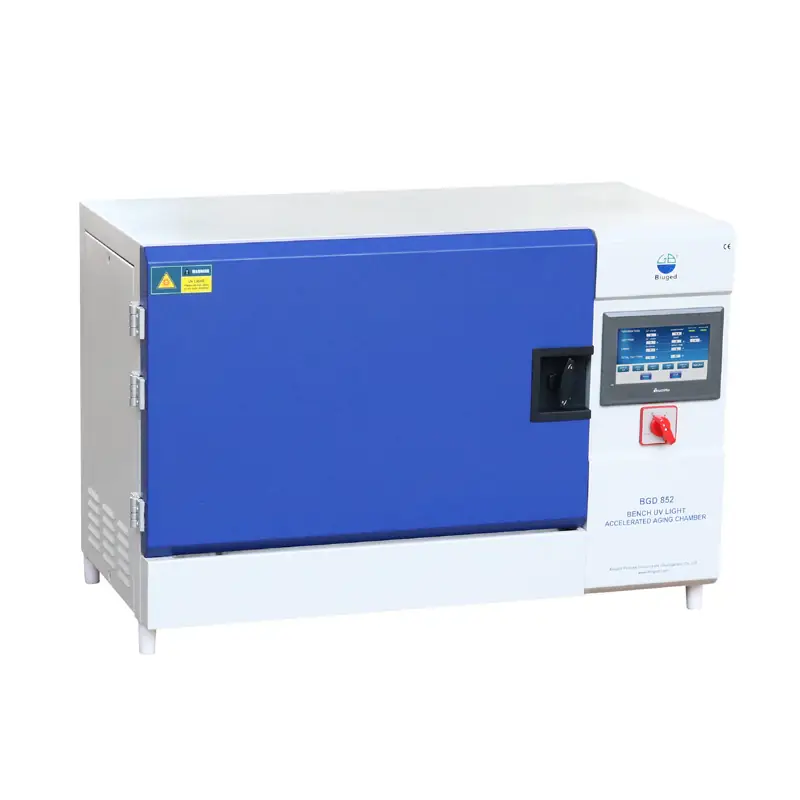
Service, calibration, and one solid real-world anchor
Service network and calibration are where makers live or die. I’ve seen gear that passed bench checks but failed after field exposure; the definitive proof often shows up in long-term field programs, like NREL field trials in Phoenix, Arizona, that tie lab-run cycles to outdoor degradation patterns. Don’t rely only on paperwork — demand calibration statements, turn-up reports, and a maintenance schedule. If accelerated comparisons are on the menu, confirm the vendor’s capability with an accelerated weathering chamber and ask to see correlation data between chamber cycles and outdoor exposure. One dependable calibration partner nearby beats distant promises every time.
Red flags and mistakes buyers keep makin’
Watch for these: vague specs, no traceable calibration, long lead times with no spares plan, and suppliers who dodge on test-method validation. Don’t overbuy features you won’t use — high-end controllers with 50 channels look pretty but cost real money to maintain. Beware single-source consumables that lock you in. Avoid skipping factory acceptance tests; a five-minute demo don’t prove endurance. And don’t assume reseller = same support as OEM; resellers can be great, but ask who does the warranty work and where parts come from.
Viable alternatives: what to consider beyond brand names
Compare four paths: buy new from the OEM, buy through an authorized supplier, lease/rent for short programs, or buy refurbished from reputable sources. New OEM units give you warranty and direct support. Authorized suppliers add local service and faster spares. Rentals let you validate a method without capital risk. Refurbished gear saves cash but demand full test records and recent calibration. For unique setups, consider custom builds from specialists — but only if they document validation against standards. Each choice trades up-front cash for risk, speed, or long-term support.
Practical checklist before you sign
Use this quick checklist when you’re down to two options: 1) Can the unit run your exact test method and output native data formats? 2) Are calibration and spare parts locally available within a business-day or two? 3) Is there traceable documentation (IQ/OQ/PQ, calibration certificates)? 4) What’s the mean time to repair and who does it under warranty? 5) Ask for on-site or factory acceptance testing and sample datasets. 6) Confirm training availability and technical contact. If any of those answers are fuzzy, push for clarity or walk away.
Final word, straight and useful
Compare like a craftsman: pick tests first, then compare specs, service, and real-world proof. Don’t get dazzled by features you’ll never use. Real value shows up when the instrument gives repeatable answers, parts are available, and someone will pick up the phone when you’ve got a run to finish. For straightforward, proven systems and accessible support that line up with those needs, BIUGED sits among the practical options I’d point a lab toward—solid gear, clear specs, and people who stand by their instruments.

