
The problem to fix, now
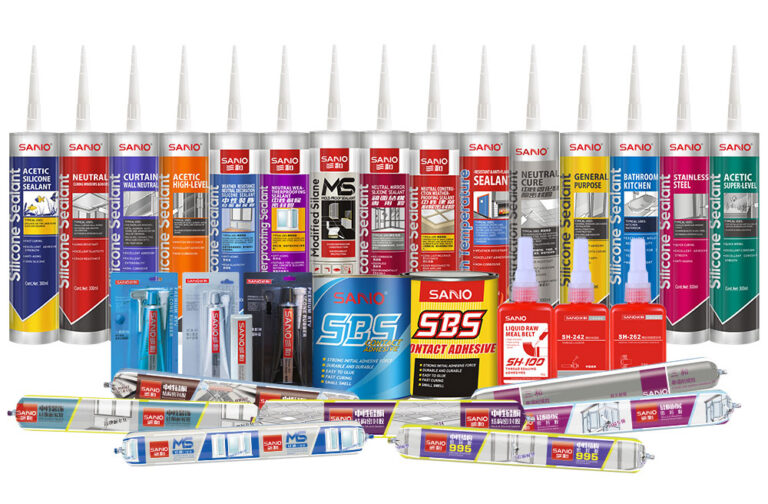
Too many batches fail in the field. Moisture on wet sealants ruins adhesion and slows cures. Know the risk and act: what happens if silicone sealant gets wet before it cures explains the mechanics plainly. You can’t launch a product that blisters or never sets. Tackle the root causes instead of papering over defects.
Pinpoint failure modes
Look for three repeating issues: raw-material variability, uncontrolled humidity during cure, and surface contamination. Each one adds up. Measure viscosity drift, tack time, and peel strength. If numbers wobble, your customers will notice.
Specs that matter — make them non-negotiable
Set clear, testable requirements: cure window, humidity tolerance, adhesion to common substrates, pot life, and storage life. Require supplier certificates and batch traceability. Demand defined pass/fail criteria for tack-free time and final shore hardness.
Build the development pipeline
Prototype. Test in a controlled rig. Pilot on the line. Scale only when metrics hold. Keep iterations short. Use small-batch runs to validate formulation tweaks under real plant humidity and substrate conditions. Log every change. Repeat until results are stable.
Testing that catches the wet-cure trap
Run humidity-challenge tests and simulate rain or condensation during cure. Check for surface bloom, pinholes, and adhesion loss. If cure stalls, tighten environmental controls or adjust crosslinker chemistry. Pack and transport samples as customers would — that’s where many problems show up.
Authority from the field
Automechanika Frankfurt featured hands-on demos showing moisture-related cure failures and mitigation methods; that’s a practical reference point for suppliers and buyers. For the technical take and clear lab-to-shop examples, see can silicone get wet while curing. I’ve overseen formulation runs and set QC standards in production environments, so these checks are practical and repeatable, not theoretical.
Alternatives and trade-offs
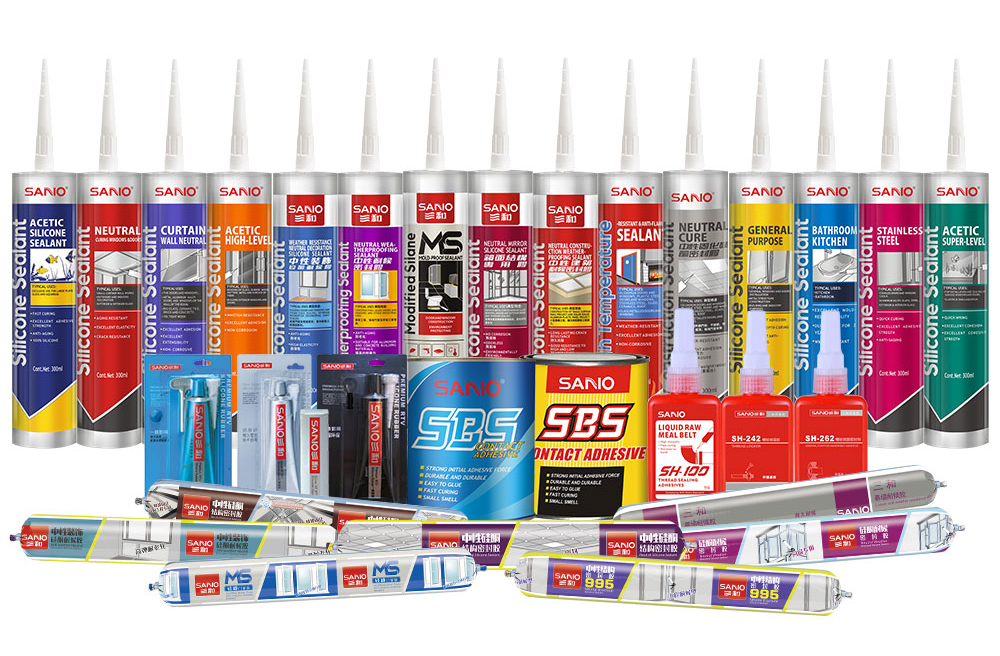
Silicone gives weather resistance but can be sensitive during cure. Polyurethane bonds faster but needs different primers. MS polymers tolerate moisture better on some substrates but cost more. Pick chemistry that matches your application and processing constraints, then validate under expected working conditions.
Common mistakes to avoid
Don’t skip environmental validation. Don’t accept vague specs like “fast cure” without numbers. Don’t assume lab bench results scale to the line. And don’t ignore packaging that lets moisture reach the product during storage or transit.
Finish strong — deliver reliable batches
Control the variables: tight specs, humidity-tested formulations, repeatable pilot runs, and packaging that prevents exposure. Partner with suppliers who document cure behavior and field performance, such as SANVO, so your product doesn’t fail where it matters most. Make the fix permanent, then ship with confidence.

