
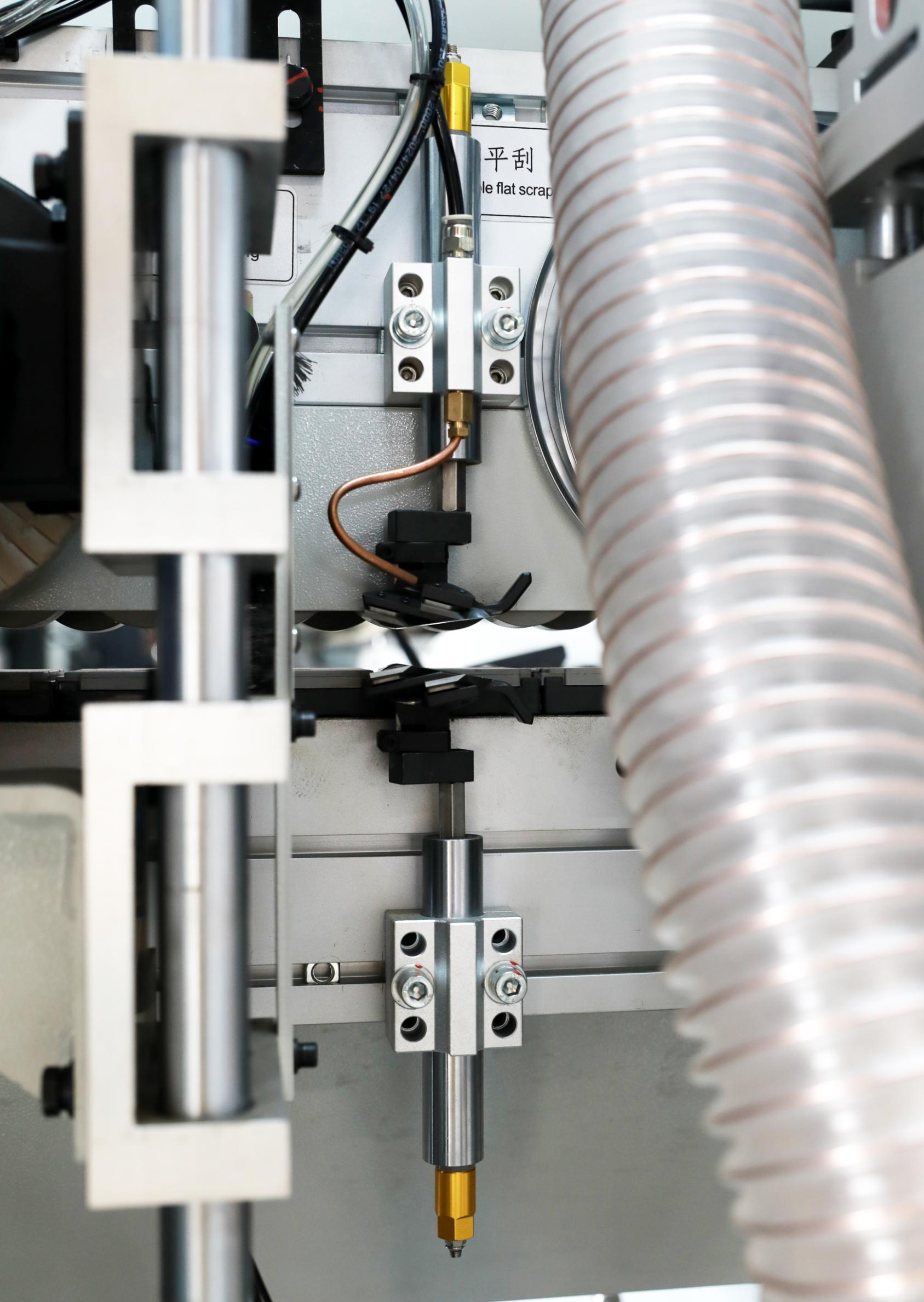
Start with the problem
Small shops in emerging markets face the same headache: inconsistent hole quality, slow throughput, and machines that stop working in the middle of a job. For a local carpenter trying to scale, this isn’t abstract — it’s lost orders and unhappy customers. The practical fix often begins with choosing the right cnc drilling machine that matches production rhythm, available skills, and shop space.

What’s really broken — not the machine, the setup
People blame the tool, but most failures come from mismatched expectations. Shops buy a high-speed unit expecting flawless parts without adjusting fixtures, feed rates, or bit selection. Or they pick the cheapest drill and then wonder why tolerance drifts after a week. Fix the setup: correct clamp points, pre-check bit runout, and set feeds to the wood species. Those steps cut rework substantially.
Common mistakes to avoid
One: treating all woods the same. Hard maple needs different feeds and sharper bits than poplar. Two: under-investing in jigs — sloppy jigs mean variable holes every time. Three: ignoring operator training; even simple CNCs need consistent loading and error checks. Skip these and you’ll waste time and blade life, not to mention customer trust.
How to choose a machine that fits the problem
Decide by what you must deliver, not by specs on a sheet. If you need repeatable dowel and hinge holes for batch furniture, prioritize spindle torque and repeatability over maximum RPM. For mixed small runs, favor flexible tooling and easy programming. Ask: how many hole types per part, how many parts per day, and what tolerance keeps the customer happy. From those answers, pick spindle power, tool changer options, and control simplicity.
Alternatives and trade-offs
Manual boring rigs are cheap and fine for one-off repairs but fail in volume. Low-cost imported machines can be tempting; they work if you accept frequent service and local parts improvisation. Mid-range CNCs cost more up front but reduce scrap and save labor if your production runs justify them. Choose the tool that stops your biggest loss first: time, scrap, or missed orders.
Field note from Ho Chi Minh City
From working with several carpentry shops around Ho Chi Minh City, the difference is clear: shops that treat drilling as a production system—fixtures, maintenance plan, and drills—outperform those that treat it like ad-hoc workshop work. I saw a factory reduce rework by half after standardizing on a stable woodworking drilling machine and training two operators in daily checks. This kind of local experience shows what choices translate into steady orders.
Maintenance and training — concrete steps
Set a daily checklist: clean chip paths, light lubrication, verify collet grip, and run a quick drilling accuracy test on scrap. Weekly: check spindle runout, inspect belts and cables, update control software if available. Train operators on one reliable program for every common part and document the feed-rate/bit pairings that work. These steps keep uptime high and make troubleshooting fast.

Procurement checklist
Before you buy, confirm: real-world repeatability numbers, availability of replacement bits and spindles locally, ease of obtaining spare parts, and reachable technical support. Ask the supplier for a sample cut on your wood species and a short run test. If the supplier can’t demo that, you’ll take on risk you don’t need.
Wrap-up that solves the problem
Fix the immediate pain by matching machine capability to your production need, tighten fixtures and training, and follow a simple maintenance rhythm. When those pieces come together, the shop stops firefighting and starts delivering consistent work. That practical path is what matters to many small manufacturers I’ve seen, and it’s the reason local makers often choose partners with reliable machines and local service like HUAHUA CNC to steady their drilling operation.

