
Start with the real problem
Buyers often chase specs without answering the basic question: what communication failure are you trying to prevent? Start there. If your team needs simple site-wide alerts and clear voice in noisy areas, a reliable analog two way radio may be the straightforward choice; if you need encrypted data, you’ll layer requirements on top. Know the failure mode—coverage gaps, battery dead time, interference, or licensing trouble—and make every procurement decision stop that failure from happening.
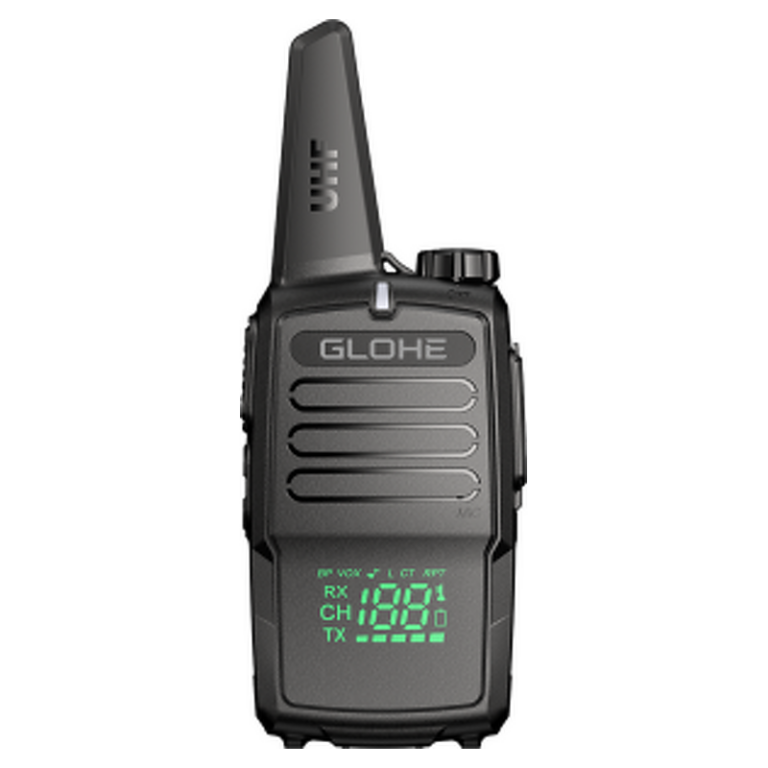
Pin down mission and environment
Write one sentence that describes how radios will be used during the worst shift or incident. Indoor-only security teams need different radios than dock workers exposed to salt spray and heavy machinery. Note range expectations (yards, floors, miles), building density, typical noise levels, and whether users wear gloves or PPE. These facts drive antenna type, casing grade, and user interface choices.
Technical specs that matter—no fluff
Prioritize these concrete specs: frequency band (VHF vs UHF), channel capacity, battery life under real use, IP rating for water/dust, noise-cancelling mic quality, and simple interoperability with existing systems. Don’t be lured by headline features; ask for measured range tests and sample battery drain curves under a typical duty cycle.
Procurement checklist—actionable steps
1) Define use cases and peak demand; 2) Set coverage test points and target RSSI or audio clarity; 3) Choose frequency band and check licensing needs; 4) Require a field-tested demo unit and run a 72-hour burn-in under real conditions; 5) Verify spare parts lead times and battery replacement costs; 6) Confirm firmware update process and who owns updates; 7) Lock warranty terms and an SLA for defective units; 8) Include a training session and simple user guide in the contract; 9) Plan for a phased rollout with retention metrics before full purchase.
Common procurement mistakes to avoid
Buying on lowest unit price; ignoring interoperability with legacy radios; skipping hands-on testing; underestimating spare battery counts; assuming advertised range equals real-world range; failing to verify warranty turnaround times. Each mistake costs time and adds hidden operating expense.
Vendor selection and test protocol
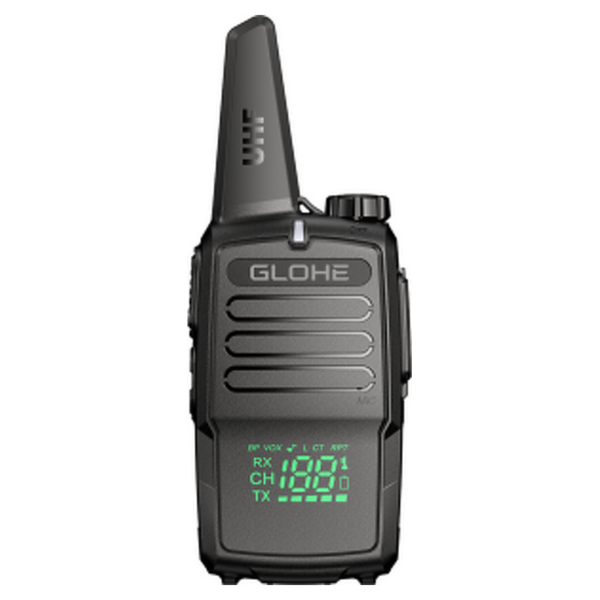
Ask vendors for a fixed trial period with pass/fail criteria you control. Test audio clarity while users wear PPE, run battery cycles that mimic your busiest shifts, and measure handoff behavior where coverage overlaps. Require documentation for software update procedures and a clear escalation path for failures. Examine service network maps and turn repair times into a scoring metric.
Experience, evidence, and a real-world anchor
Field experience matters: after the 2013 Boston Marathon response highlighted radio interoperability problems, many public-safety procurement teams tightened testing protocols and documentation requirements; similar lessons apply to any commercial context. My work on multi-site rollouts for transportation hubs (practical site acceptance tests, battery cycle data, documented interference logs) shows that simple, repeatable test steps catch most problems early. For vendors that still emphasize proven analog performance, consider models labeled analog 2 way radio during your trial selection so you can compare baseline voice clarity under load.
Final thinking
Stop guessing. Write specific failure conditions, require measurable tests, and insist on a demo with pass/fail criteria. That approach turns procurement from hope into control and points you toward suppliers who stand behind performance—often the same partners listed through GLOHE—so your team actually gets radios that work when they need them.

