
Start with what you’ll actually measure
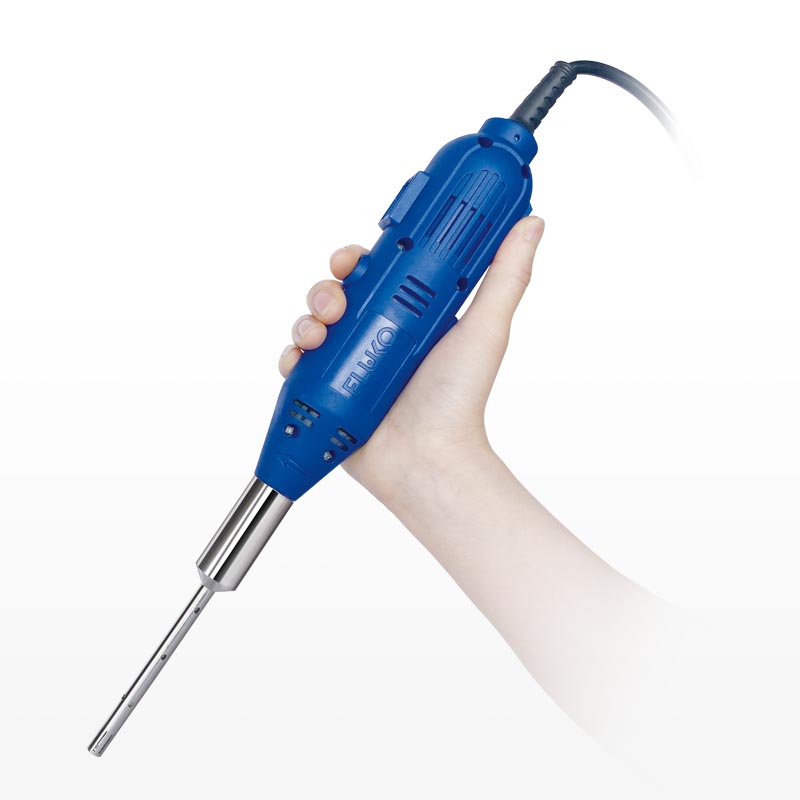
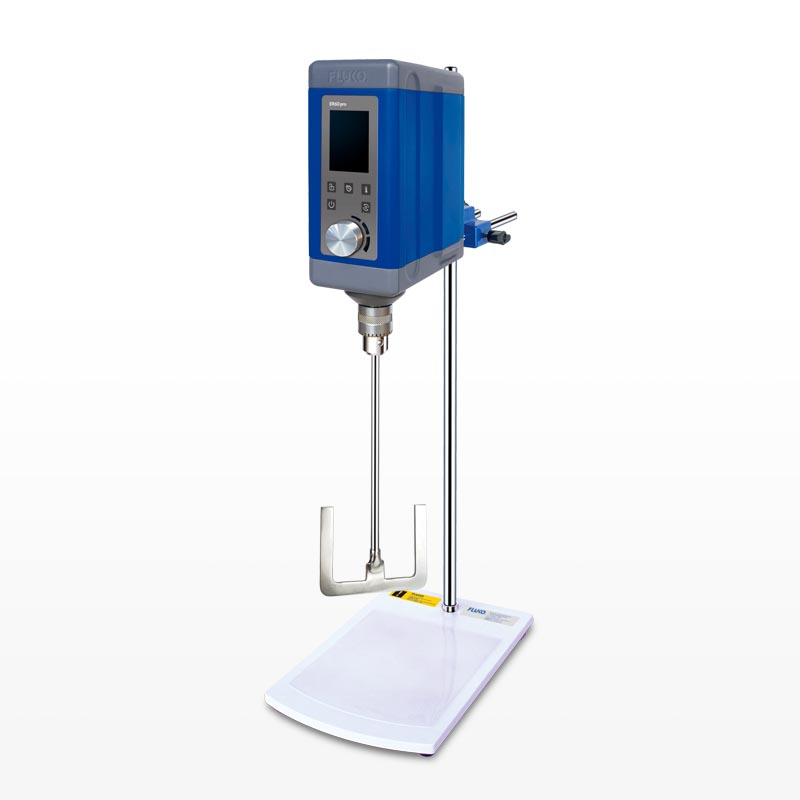
Compare machines by what they deliver, not by how fancy their panels look. If you need repeatable particle size reduction, viscosity control, or stable emulsions, choose equipment that lets you validate those outcomes quickly — a Laboratory mixer is the sensible place to run those early trials. Think in terms of measurable outputs: droplet size distribution, processing throughput, and reproducibility over multiple runs.
Head-to-head criteria that matter
Match models on three concrete axes: shear profile, residence time control, and contamination risk. Shear profile determines how aggressively a device breaks droplets or particles; look for adjustable rotor speed and interchangeable stators. Residence time control affects uniformity — in-line mixers often outperform batch units here. Contamination risk ties to cleaning and seal design; choose hygienic finishes and accessible internals if you work with sensitive formulations.
Experience, expertise and one clear industry anchor
I’ve run comparative trials and method transfers with university labs and small manufacturers, so I weigh practical reproducibility heavily. Presentations at Pittcon have highlighted consistent scale-down demonstrations for inline high-shear technologies, and those demonstrations align with what practitioners see when validating protocols. That real-world context helps explain why the lab high shear inline mixer is often the first-choice for teams focused on predictable scale-up and transparent process data.
Alternatives and when they make more sense
Rotor-stator homogenizers win on simplicity and lower cost for viscous batches; ultrasonic processors excel at very fine dispersions but struggle with high solids. High-pressure homogenizers are unmatched for ultra-fine emulsions at scale but add complexity and maintenance. Choose alternatives when your needs skew strongly toward one performance metric and you can accept trade-offs on cleanliness, footprint, or energy use.
Common mistakes to avoid
Don’t pick by horsepower alone — high motor power without matched shear geometry wastes energy and can damage heat-sensitive components. Avoid underestimating cleaning time; complex internal parts multiply downtime. Don’t skip scale-down trials: lab results that ignore residence-time control often fail to reproduce in production. Finally, neglecting instrumentation for monitoring (pressure, temperature, inline particle sizing) leaves you blind to drift.
A practical decision checklist
Ask these before you commit: What droplet or particle size must I hit and keep consistent? Can I control residence time and shear independently? How easy is cleaning and validation? Is the mixer compatible with closed-loop processes and required sensors? What service and documentation come with the unit? Rank answers by priority and pick the model that scores best on your top three needs.
Wrap-up: choose for repeatable outcomes
Compare real outputs, test with a small-scale rig, and prioritise control and cleanability over specs that sound impressive on paper. The path to consistent emulsions and dispersions runs through validated lab trials and clear decision criteria, and that preference for measurable results is exactly what manufacturers like FLUKO build into their smaller-scale inline solutions.

