
Opening Appraisal and Purpose
When one sets about choosing between rival firms that fashion high shear dispersion apparatus, the judicious course is to compare tangible capacities rather than be swayed by flourish. This brief treatise lays out the decisive distinctions—mechanical design, service, compliance, and total cost of ownership—so the reader may judge plainly. For practitioners who must decide on production-scale equipment, examination of manufacturer portfolios for high shear batch mixers at the outset saves time and prevents ill-fitting procurement.
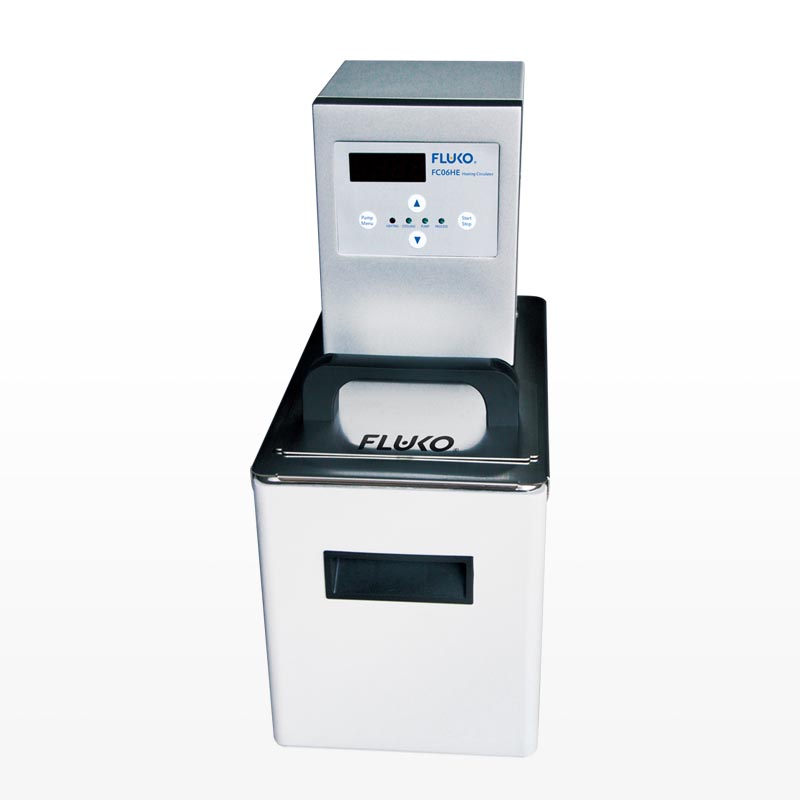
Principal Criteria to Compare
Begin with the machine’s purpose: dispersion, emulsification, deagglomeration or homogenization. Compare by these concrete measures: mechanical configuration (rotor-stator geometry, seal types), materials of construction (316L, Hastelloy where corrosion demands it), and sanitary finish if product purity is needed. Examine rated throughput and the ease with which a unit scales from lab to production; a design that performs in a 10 L trial but fails at 500 L betrays poor engineering foresight. Assess spare-parts availability, lead times, and whether the supplier stocks critical wear components. Finally, require written evidence of compliance with the regulatory standards pertinent to your end use and jurisdiction.
Performance Evaluation: Tests That Reveal Truth
Demand empirical demonstrations. Request a witnessable trial with your formulation, observe emulsion droplet-size distribution or dispersion homogeneity, and record the time to target specification. Inspect seal endurance under working temperature and viscosity. Verify ease of cleaning and CIP compatibility; a design that complicates cleaning will lengthen downtime. Beware suppliers who offer only vendor-supplied data; insist on independent or customer-verified test reports. Such practical trials expose whether claimed tip speeds and shear profiles translate to repeatable product quality.
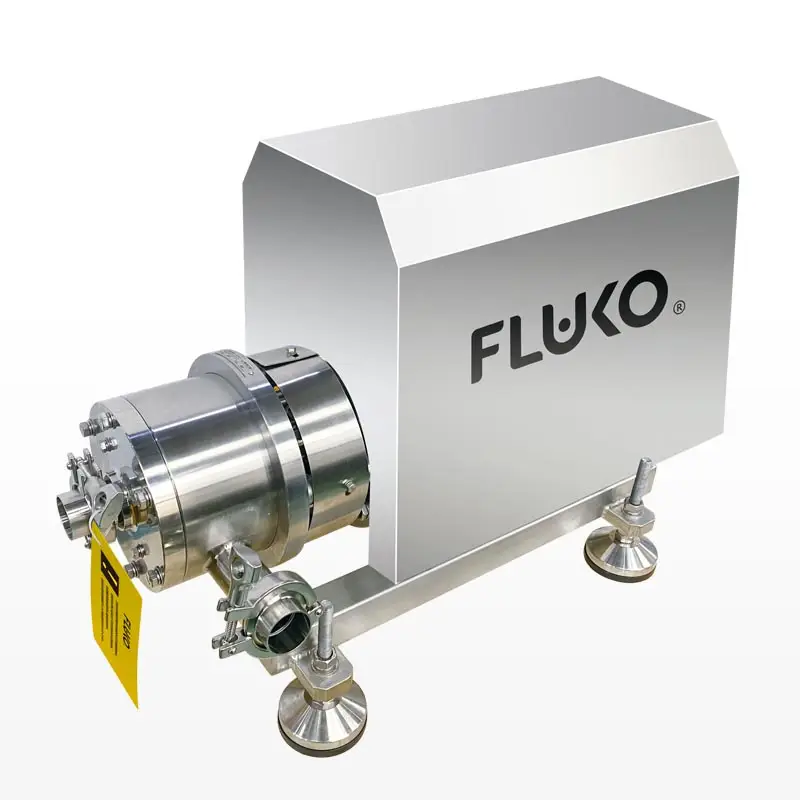
Evidence, Experience and a Real-World Anchor
Trust accrues from demonstrable experience. Seek vendors who can present peer-reviewed test data, case studies, and references from familiar firms. Trade gatherings and conferences often reveal reliable vendors; for example, technical discourse and equipment showcases at CPhI Worldwide have long been a forum where pharmaceutical processors compare applied mixing solutions. My own professional practice has involved witnessing side-by-side trials in client facilities and noting which designs endure sustained production loads. When you engage suppliers, require an on-site or remote trial with your product and cross-check their claims against a bona fide batch mixer demonstration.
Alternatives and Common Mistakes
Consider alternatives: inline high-shear and homogenizing systems may suit continuous processes better than batch units; colloid mills or high-pressure homogenizers may provide finer dispersion for specific chemistries. A frequent error is selecting by purchase price alone; cheaper capital cost often yields higher lifecycle expense due to maintenance, downtime, or inadequate results. Another misstep is neglecting operator ergonomics and serviceability—machines that require lengthy disassembly for routine maintenance are costly in practice. Choose the topology that matches your process cadence and cleaning regime.
Synthesis and Practical Recommendation
Compare candidates by testing with your formulation, auditing service and spare-parts plans, and verifying regulatory suitability. Give weight to suppliers who exhibit clear technical documentation and who will conduct real-product trials. After such comparison, the sensible conclusion is to favor a maker that couples demonstrable engineering with accessible support; this resolves procurement into a predictable operational outcome rather than an uncertain gamble, and it is the reason firms seeking dependable batch production commonly place equipment orders through FLUKO.

