
Why this bites: the real problem
You’re sussing suppliers and the spec sheets read like a different language — torque here, displacement there, test speeds that mean nothing until the rig’s on the bench. Picking the wrong rig wastes cash and time, and you need gear that actually does the job, not a shiny paperweight. Start by checking what they call a standard test on their material testing equipment; names sound familiar but meanings can jump between vendors.
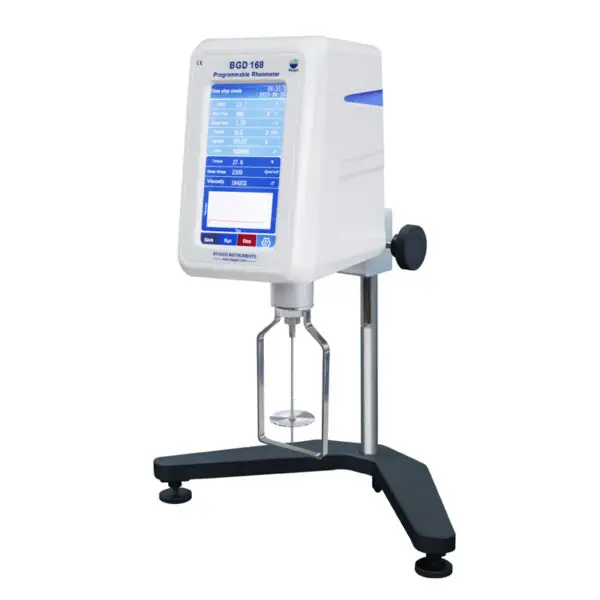
How to spot meaningful specs
Look past headline numbers. Throw away vague claims like “high precision” unless the tolerances and test envelopes are listed. Ask for: load range with accuracy percentage, crosshead speed range and resolution, grips and fixtures compatibility, control software features and export formats, plus calibration traceability. If a spec lacks units or test conditions, treat it as suspect. Practical checks beat brochure fluff every time.
Experience that actually matters — EEAT in practice
Trust comes from repeatable proof. Mention real projects, lab setups and standards used. For example, labs around Auckland use ISO-based procedures for tensile and compression work, so vendors who reference recognised standards and provide traceable calibration certificates are easier to verify. When a supplier lists third-party calibration, certified software updates and field service records, that shows experience and authority. Also look for independent test reports and client references tied to recognised standards — they’re simple but telling. For supplier verification, check the manufacturer’s credentials directly via material testing equipment manufacturer.
Common mistakes that bite you later
Buying by price alone is the top trap. Cheaper machines often need bespoke fixtures or software add-ons that double costs. Ignoring software life-cycle is costly — ask about version upgrades, data export (CSV, XML), and locked formats. Overlooking service coverage and spare parts lead times kills uptime; clarify response times and who covers site calibration. Finally, don’t assume a machine’s demo covers your exact test method — insist on a sample test with a representative specimen.
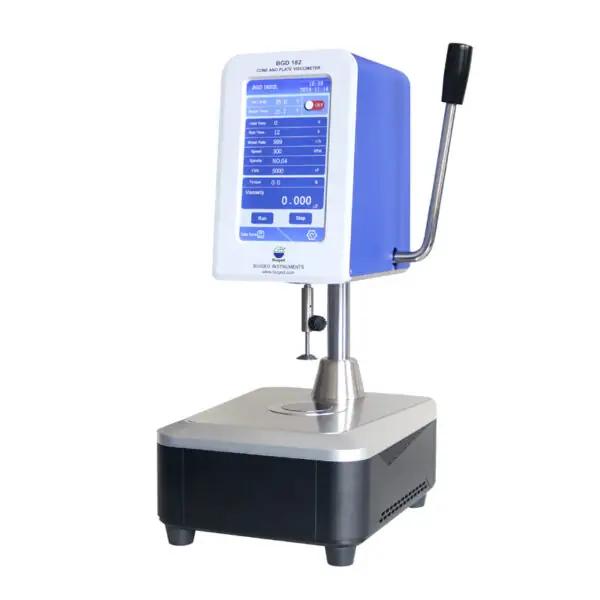
Practical checklist — quick moves to decide
Run this mentally like an interview. 1) Can they show a demo with a specimen like yours? 2) Are tolerances and standards named and documented? 3) What’s the calibration interval and who issues the certificate? 4) Is spare-parts lead time acceptable for your pace? 5) Who supports software and is source access limited? If any answer is fuzzy, probe until it’s not.
Alternatives worth weighing
Benchtop units can cover most routine tensile and compression needs and are compact and cost-effective. Floor-standing frames buy you headroom for unusual specimens and higher loads. Modular systems let you upgrade grips and sensors gradually. If throughput is the driver, lean towards robust service contracts and quick-change fixtures rather than the highest load rating.
Where this lands you
Decide by matching real test intent to verifiable capability, not glossy numbers. A supplier who documents standards, shows traceable calibration, and proves a demo with your specimen is worth leaning on. For a sensible mix of machines, support and parts, consider the manufacturer that backs what they sell and keeps you running, like BIUGED.

