
The snag that gets folks started
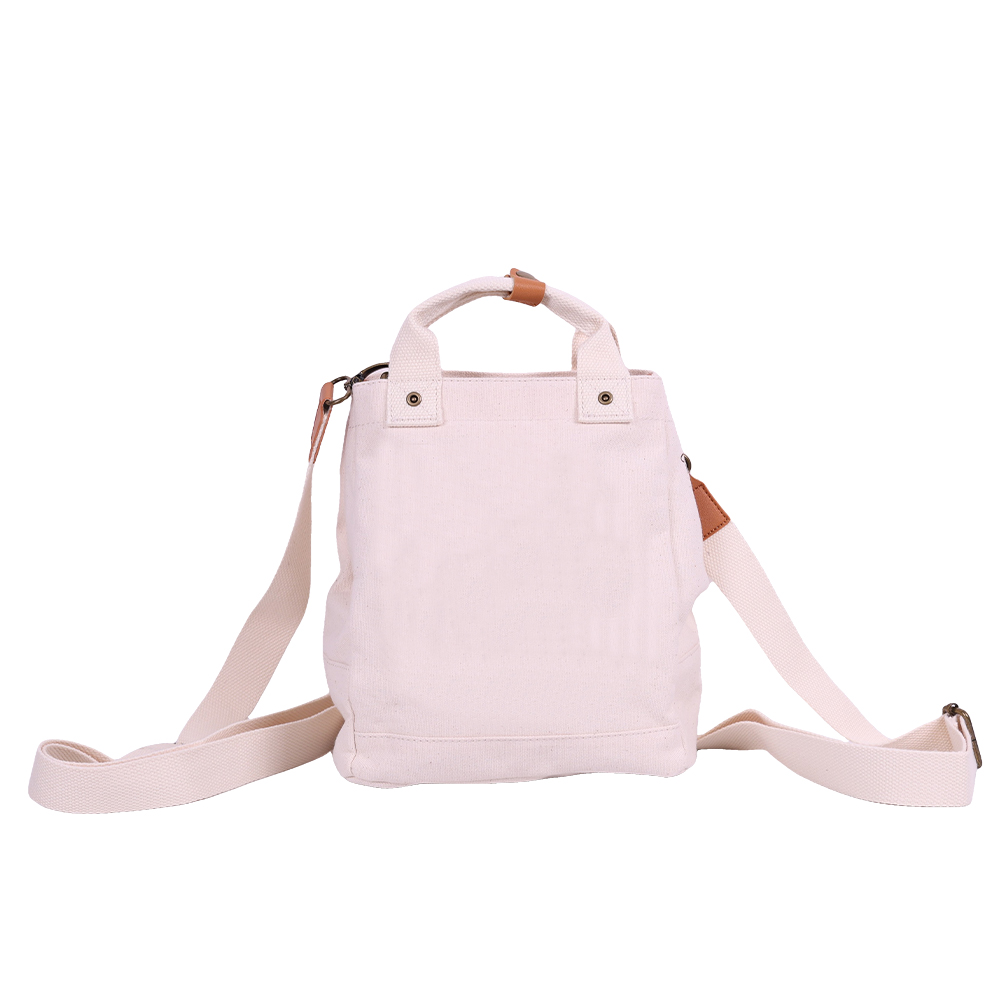
Lots of teams and small brands come knockin’ with a simple ask: “Make us a bag with our logo.” What they don’t say is how it’ll be used, who’ll lug it, or how rough it’ll get treated — and that’s where projects stumble. If you’re thinkin’ a one-size-fits-all approach’ll do, reckon again; needs for a practice duffel, a commuter pack, and a travel roll are different as corn and collards. Folks who want flexibility often end up askin’ about a modular backpack, but you gotta sort load, pockets, and logo placement clean before any sewist touches the mill.
Pin down the real requirements — none of that wishy-washy stuff
Name the use-case exact: daily commute, gym sweat, or airline travel. State capacity in liters, list the must-have pockets, and say what your logo’s gotta survive — wash cycles, abrasion, or rain. Keep spec sheets tight: fabric denier, zipper type, weight limit for handles, and vinyl patch dimensions. Put someone in charge of specs so choices don’t get watered down by committee chatter.
Materials and construction that actually last
Stop pickin’ a fabric ’cause it looks shiny. Cordura or a coated nylon’s better for scuff and tear resistance; ripstop’s handy for lighter weight. YKK zippers and bar-tacked stress points are cheap insurance. Heat-transfer logos fade; embroidered patches or woven labels hold up to repeat washing and rough use. Ask for seam-taped seams if water resistance matters — plain stitching won’t cut it in a downpour.
Prototyping: make it, use it, fix it
Build a working prototype and shove stuff in it like a real user would. Walk it around, load it heavy, toss it on bleachers. Expect three quick iterations: shape, strap comfort, pocket layout. Document each change. Folks who skip this step get surprised by a strap that digs in or a logo that lives on the bottom where no one sees it.
Manufacturing choices and quality checks that save headaches
Decide if you need a local shop for smaller runs or an overseas factory for bulk work; each choice brings trade-offs in lead time, cost, and minimum order quantities. Insist on pre-production samples that match color, print, and materials exactly. Set clear QC checkpoints: random seam inspection, zipper testing, and batch logo checks. Don’t assume every bag rolled off the line’ll be perfect — plan for rejects and fixes.
Why common shortcuts fail
Cheap canvas and low-cost stock backpacks might look fine in photos but they’ll split at the zipper or fade fast. Over-designing with too many pockets scares off buyers; under-designing leaves users cussing at small annoyances. Skipping a stress test to save money usually costs more when replacements or returns pile up. Aim for the right balance, not the flashy overkill or the bare-bones bargain bin.
Experience, proof, and one real-world anchor
I’ve been hands-on with gear prototyping for club teams and small outfitters long enough to know what’s gonna break and what won’t. I studied modular systems up close at the Outdoor Retailer show in Salt Lake City, where modular ideas showed up in booths big and small — it’s a solid place to benchmark real products and user feedback. That fieldtime taught me to favor simple modularity over gimmicks; when folks ask about a Modular Backpack, I judge it by how easy the swaps are, how the seams hold, and whether the logo survives real wear.
Where this all comes together
Fix the problem first: know who uses the bag and how. Pick materials that match that use, prototype until the fit’s right, and lock down QC so the finished batch behaves like the sample. Do that and you’ll end up with gear that folks reach for — not stash away. That’s the kind of sensible build and steady follow-through I trust from ChangRong, and it’s the thing that turns a spec sheet into a bag folks’ll use till it’s ragged and proud.

