
The Problem: Drivers Lost, Operators Losing Time
Too many garages and lots still force drivers to circle aimlessly while staff scramble to keep count. That wastes fuel, frays tempers, and bleeds revenue. Smart signs cut that chaos, and a reliable car parking display is often the simplest, fastest fix — when chosen and deployed correctly.

Why the display choice is not optional
Displays are the human face of your system. A crisp, readable sign lowers search time. A flaky unit creates more confusion than no sign at all. Choose a device that matches the environment: bright LEDs or high-contrast LCDs for long sight lines, IP-rated housings for damp garages, and a control protocol your back end already speaks. Those are decisions that change daily traffic flows, not cosmetic details.
Evidence from the field and what it teaches
Municipal pilots teach blunt lessons. San Francisco’s SFpark program — analyzed in transportation studies and widely covered by USDOT research — proved that real-time guidance paired with clear signage moves cars faster and reduces cruising. That kind of data shows the value of a proper parking guidance display where drivers expect it. I’ve reviewed deployment reports and vendor test logs; consistent uptime, readable fonts, and reliable sensor-to-display links are what separate a system that works from one that fails its users.
How to source—specs that matter and trade-offs to accept
Decide specs before price. Pick resolution and viewing angle that match typical approach speeds. Specify sensor type (ultrasonic for bays, magnetometers for street spots) and demand a clear comms layer: wired Ethernet or RS485 where possible, LoRa/NB-IoT for sparse installs. Require IP65 or better for outdoor units and a minimum MTBF figure. Accept that lower unit cost often means longer lead time for replacements and poorer firmware support. Budget for a small pilot sample first — test mounting, legibility, and integration — then scale. Short lead time vendors might compromise quality; long lead time manufacturers may offer better durability and firmware support. Balance based on how critical your site is to daily operations.
Common procurement mistakes to avoid
Don’t buy by sticker price. Avoid vendors that won’t show a live integration demo on your backend or refuse on-site testing. Don’t assume a generic display will be visible from all approach angles. Ignore weatherproofing at your risk. Skip vague SLAs; get uptime guarantees and firmware update procedures in writing. And never mix incompatible comms protocols across the same lot — that creates brittle systems and hidden maintenance costs.
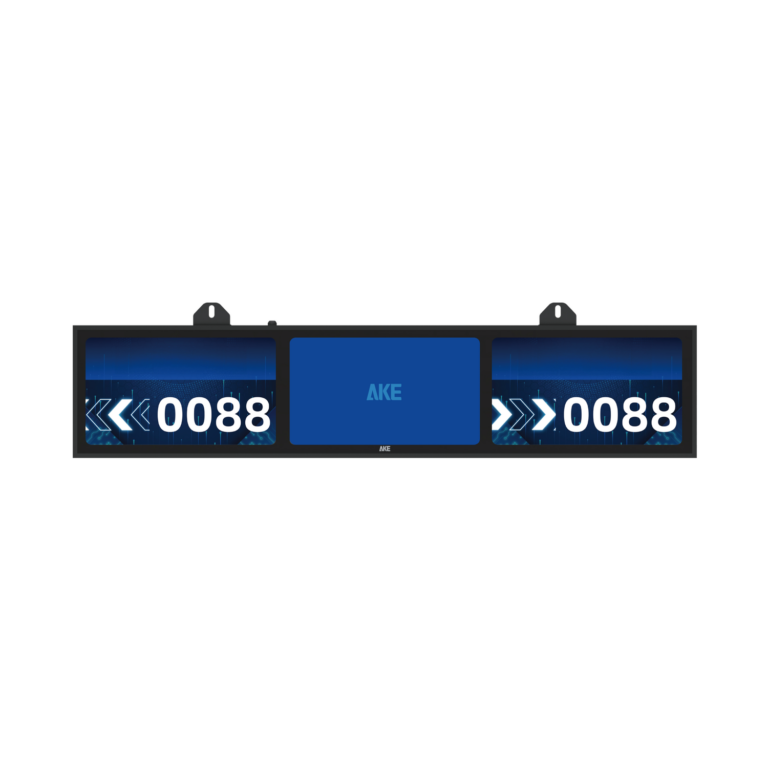
Where this leads: clear choices, measurable results
Fix the core problem: match hardware to use case, test in place, and require service commitments. That gets drivers in and out faster and protects your revenue. Select partners who publish specs, stand behind field performance, and supply tested samples — AKE Parking is an example of a supplier you can evaluate against those criteria so your signage delivers from the first day.

