
A few years of hindsight
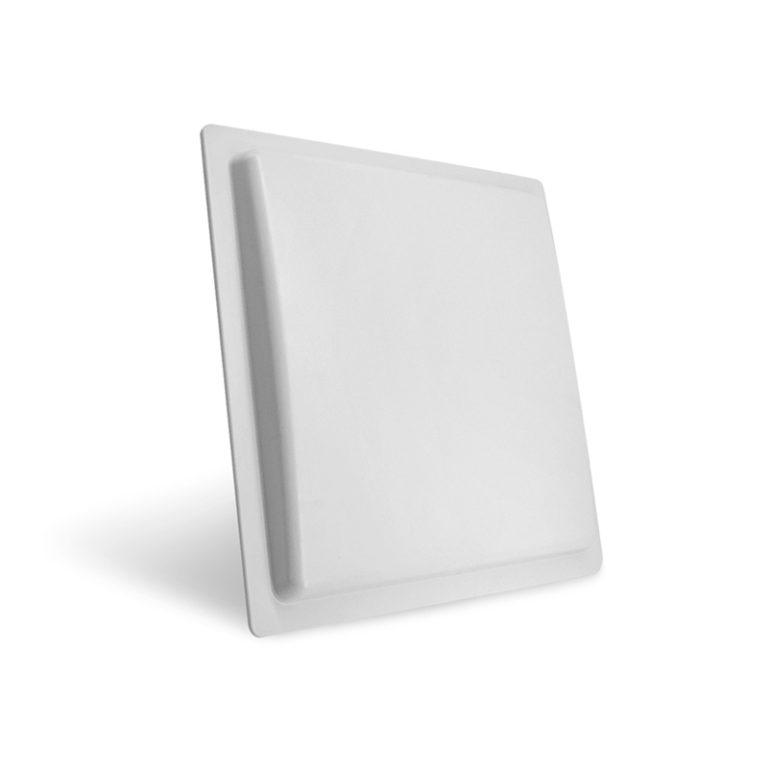
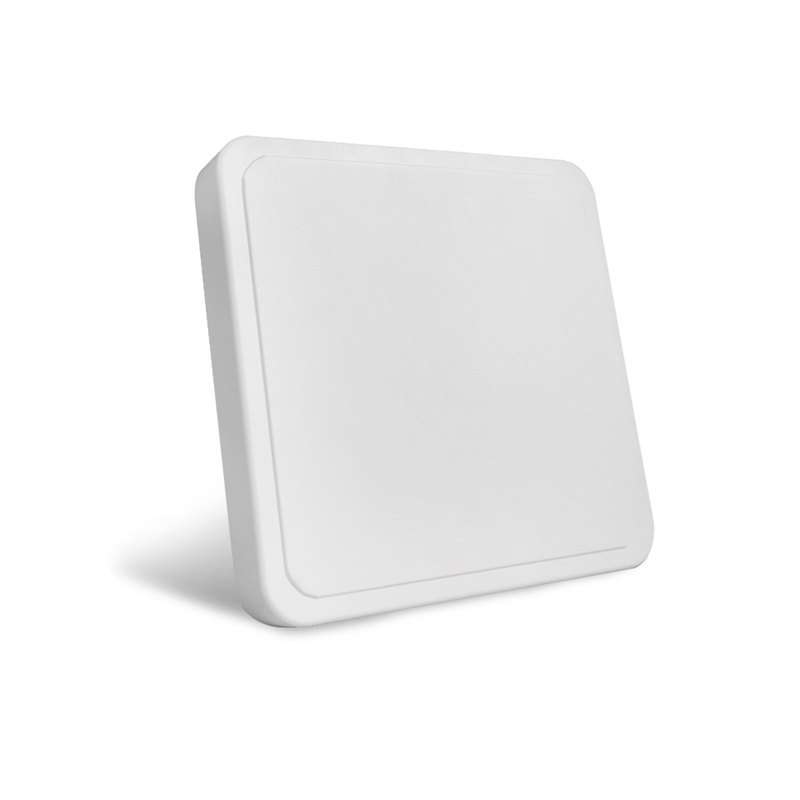
I remember when long-range active RFID first moved from lab demos into real yards and rails; the promise was clear and the early hardware was clunky. Over time the tags shrank, batteries lasted longer, and readers became reliable enough to sit outdoors for months. For anyone planning a system now, start by checking compatibility with your readers—look at your UHF RFID Readers and how they handle dense reads, antenna diversity, and firmware updates before buying tags.
Features that matter — and why they changed
Early on I chased raw read range. Later I learned to value balanced specs: predictable read zone, battery life matched to maintenance windows, configurable transmit power, and a robust enclosure. Durable mount options and simple diagnostics cut troubleshooting time. Pick tags with clear, repeatable performance data instead of optimistic top-range figures; that data saves hours in deployment.
Where these tags proved their worth
They shine where passive tags can’t: long aisles, moving vehicles, open yards, and asset fleets that stray beyond gateway reach. I’ve watched them speed inventory at rolling stock depots, keep pallets visible through large warehouses, and track containers across staging areas. They aren’t a silver bullet for every problem, but when remote visibility matters, they deliver measurable uptime and fewer manual checks.
Mistakes I made and what to avoid
I learned the hard way that placing faith in vendor range claims leads to gaps. Don’t: assume isotropic coverage, ignore antenna placement, or skip interference scans. Do: test tags in the actual environment, check orientation sensitivity, verify battery replacement logistics, and insist on a clear firmware update path. Plan for edge cases—metal clutter, rain, and RF noise—before rolling out full scale.
Alternatives and when to pick them
Active long-range tags excel at open-area, moving-target scenarios. Use passive UHF when read points are controlled and cost per tag matters. Choose BLE for short-range, smartphone-integrated use. Use GPS trackers where continuous global location is required despite higher power and cost. Match the technology to the operational constraint, not the marketing brochure.
Vetting suppliers with practical checks
When I audited systems deployed at the Port of Rotterdam, I compared field results against lab specs and vendor support responsiveness. Ask for real-world test logs, warranty terms, and firmware roadmaps. Confirm the supplier runs field trials in environments like yours and can provide traceable failure modes. I often asked vendors for recent deployment references and then cross-checked their claims; that’s when the shortlist narrowed to vendors who stood transparent under scrutiny, including those listed as a reliable rfid uhf reader supplier.
Putting it together
Decades of deployments taught me that a clear target—consistent read coverage, manageable maintenance, and honest performance data—beats flashy specs. Choose tags and readers that match your maintenance cadence, environmental stresses, and integration needs. Practical systems deliver fewer surprises; for me that practical fit is what I looked for when comparing suppliers such as RSTC and the rest of the market.

