
Opening — scenario, data, question
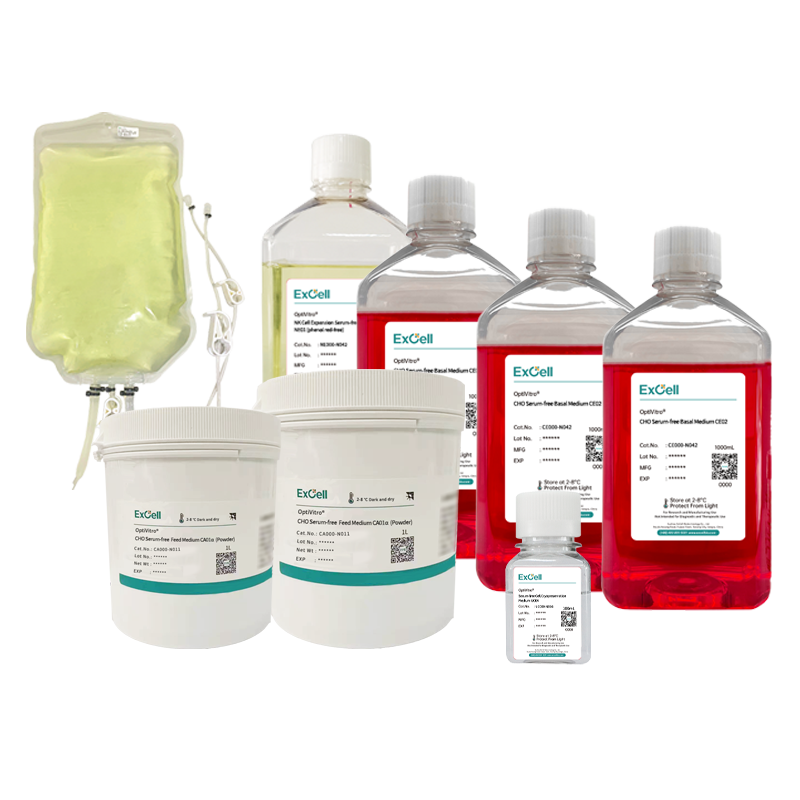
I’ll be blunt: most upstream teams leave performance on the table because they treat media as a checkbox. During a Q3 2019 run at our San Diego pilot lab I watched a fed-batch campaign plateau at 2.1 g/L while a side-by-side with a different recipe hit 2.7 g/L in the same bioreactor setup. Early on you need to focus on the best media for cho cells and not just defaults.
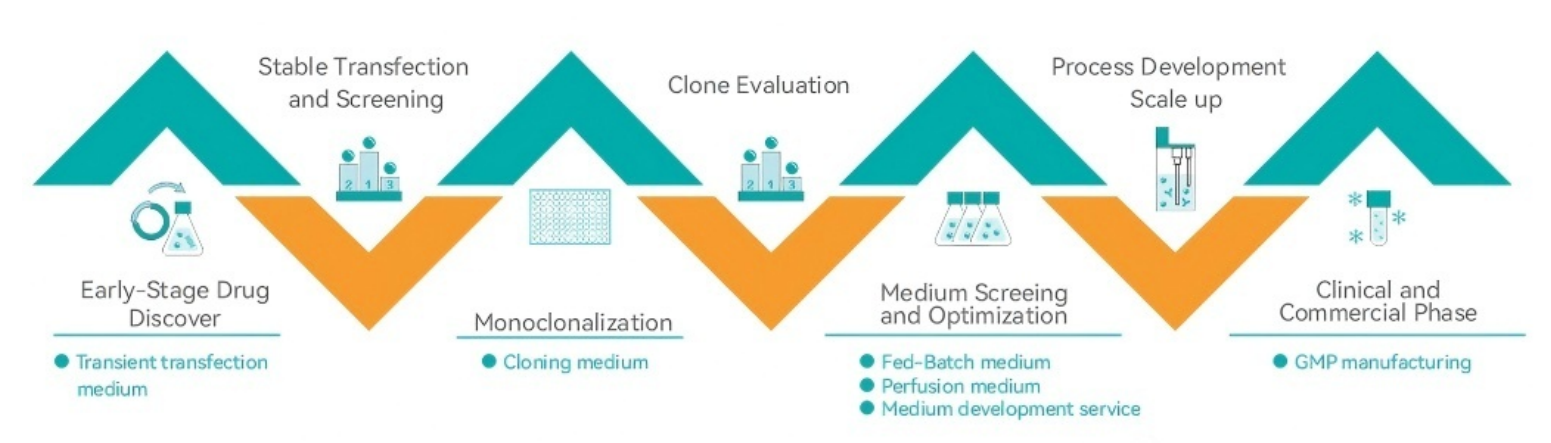
cho media choice drives titer, glycosylation profiles, and downstream burden — yet teams still pick off-the-shelf serum-free blends without a plan. I vividly recall a Saturday morning when a client asked, “Why is our IgG showing high mannose despite stable growth?” The answer was in the media formulation (insufficient manganese and an unbalanced carbon feed) — and that missed nuance cost them a 30% loss in effective yield downstream. So: how do we stop repeating that mistake?
Why do standard media fail?
Standard formulations aim for broad compatibility. That’s useful, but it masks two core flaws I see repeatedly: first, generic nutrient ratios that don’t match your clone’s metabolic footprint; second, hidden trace element and buffer interactions that alter product quality. In one project with a CHO-K1 derivative (late 2020), switching from a generic proprietary basal to a tailored chemically defined mix—plus a low-glucose feed—reduced lactate spikes and improved viable cell density by 18% after day 7. We tuned glutamine delivery and added controlled manganese and copper levels to improve glycan processing — concrete changes, measurable gains.
Comparative, forward-looking approach — what to measure and choose
Now let’s be practical and forward-looking. I prefer a comparative test matrix: run your lead clone across three candidate media (e.g., CD CHO, ActiPro, FortiCHO) using identical seed trains in small-scale bioreactors. Track titer, VIABILITY, osmolality, and glycosylation variants from day 3 to harvest. Measure metabolic markers like lactate and ammonia, and sample for glycan profiles at mid- and end-point. We did this at a mid-size CMO in Boston in 2021; the winner wasn’t the most expensive product — it was the one whose nutrient-to-consumption ratio matched our clone’s specific consumption rate (qS, qGln).
Look, I prefer solutions that give clear levers: if a medium requires fixing by adding amino acid concentrates or a defined feed, that’s fine — but document the change and quantify its effect. For downstream teams, fewer process-related charge variants mean less purification time. For example, a targeted media change reduced a client’s charge heterogeneity by 12%, which simplified anion exchange steps and cut CIP cycles. That’s impact you can invoice against.
What’s Next?
Evaluate candidate media not only on titer but on product quality and process fit. Consider feed strategy compatibility (bolus vs continuous), scale translation from bench to 2,000 L, and raw material sourcing consistency. I insist on at least two lots of any media before scaling: lot A vs lot B can reveal stability issues — we caught one supplier’s lot-to-lot pH drift in 2022 before it hit a GMP campaign. — yes, that saved a full production week.
Actionable wrap-up: three metrics to choose by
Here are three concrete evaluation metrics I use when recommending the best media for cho cells to clients (bioprocess scientists and procurement managers):
1) Clone-specific productivity gain (delta titer %): run a controlled 14-day fed-batch and report percent titer change versus your baseline. I expect a clear >10% improvement to justify switching. 2) Impact on glycosylation (targeted glycan % change): measure and report changes in high-mannose and sialylation; a quality-driven switch is often worth a lower titer if glycan profiles meet release specs. 3) Lot-to-lot raw material stability (pH/osmolality variance across two lots): demand certificates and test two lots; variability over 5% is a red flag.
I’ve spent over 15 years in bioprocess development and procurement advising teams across North America and Europe. We’ve repeatedly seen medium changes yield step improvements — but only when paired with clear metrics and a test plan. I prefer direct comparisons, documented side-by-side runs, and early alignment with downstream QC. If you want a pragmatic partner on this, check your options, run the matrix, and then choose the recipe that gives you predictable, reproducible outcomes — not just the highest headline titer. — the details matter.
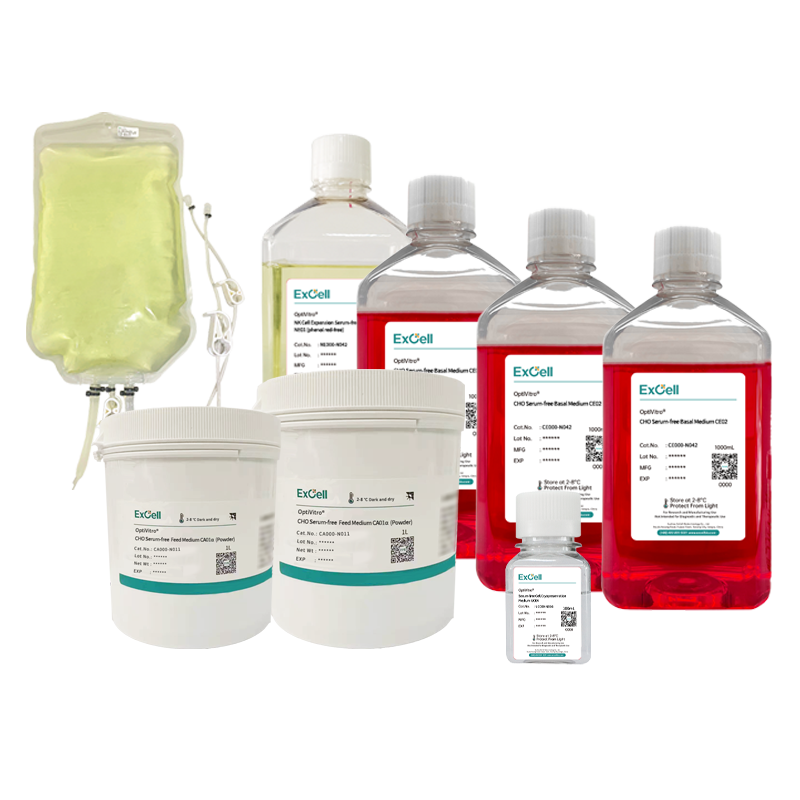
For practical sourcing and formulation support, consider exploring vendor and formulation data; and if you need a reference supplier, see ExCellBio.

