
Clear thesis
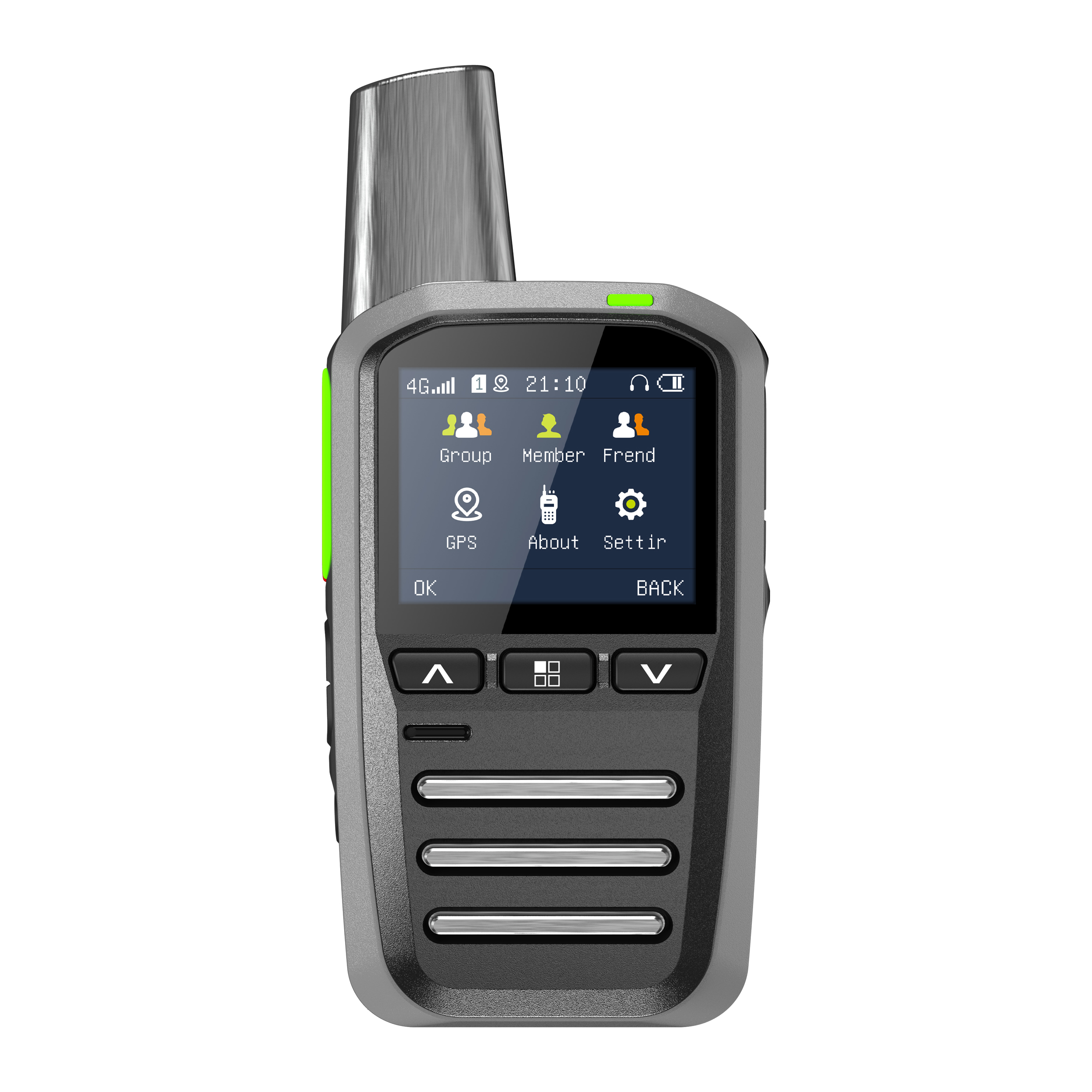
Decide based on measurable outcomes: commercial PoC radios change cost structure, coverage, and governance compared with legacy analog radios and cellular alternatives. A focused comparison shows where capital should flow and where operational risk remains. Early on, factor device management, subscription models, and integration with existing dispatch—consider a modern poc radio as the reference asset when modelling total cost and uptime.
Performance and coverage: predictable differences
PoC radios run over broadband and public networks, which means coverage maps mirror carrier footprints instead of line-of-sight radio propagation. That reduces dead zones in urban deployments but introduces dependency on carrier SLAs and backhaul capacity. Legacy VHF/UHF radios give deterministic local coverage in controlled areas but require repeaters and spectrum planning to scale. Cellular voice or push-to-talk apps rival PoC in urban reach but often lack ruggedization, dedicated emergency modes, and battery life at scale.
Cost structure and ROI
Compare capital expenditure and recurring fees explicitly. Legacy analog systems demand upfront capital for repeaters and licensing; maintenance is predictable but concentrated. PoC shifts costs into per-unit service subscriptions and data usage; it lowers upfront capex and speeds deployment. Calculate three-year TCO: device subsidies, subscription, carrier overages, management platform fees, and replacement cycles. Investors should model scenarios where device churn and manpower savings from faster dispatch offset subscription fees within 18–36 months.
Security, compliance, and operational control
PoC platforms can offer end-to-end encryption, role-based controls, and centralized logging—features that institutional buyers use to meet procurement and compliance standards. Legacy analog transmissions are exposed unless retrofitted with encryption; cellular apps depend on vendor implementations. Choose systems that provide audit trails and firmware control to reduce operational risk. Assess whether your vendor provides on-prem gateways or private APNs when regulatory isolation is required.
Alternatives and trade-offs
Evaluate three practical alternatives. First, upgraded analog systems with digital trunking: low technical risk, higher capex, and limited feature expansion. Second, commercial PoC: rapid rollout, scalable features, predictable software updates, and subscription-based renewals. Third, managed cellular PTT apps: low hardware cost but potential durability and battery constraints. Select based on operational priorities—range determinism, ruggedness, or rapid scalability—not on vendor hype.
Common pitfalls
Don’t assume feature parity across vendors. Mistakes I see repeatedly: underestimating data and voice usage, ignoring device lifecycle and replacement logistics, failing to validate encryption and logging, and forgetting offline fallback for mission-critical teams. Procurement should require field trials that measure battery life under real usage, interoperability with existing headsets, and latency under peak network load.
Evidence and authoritative context
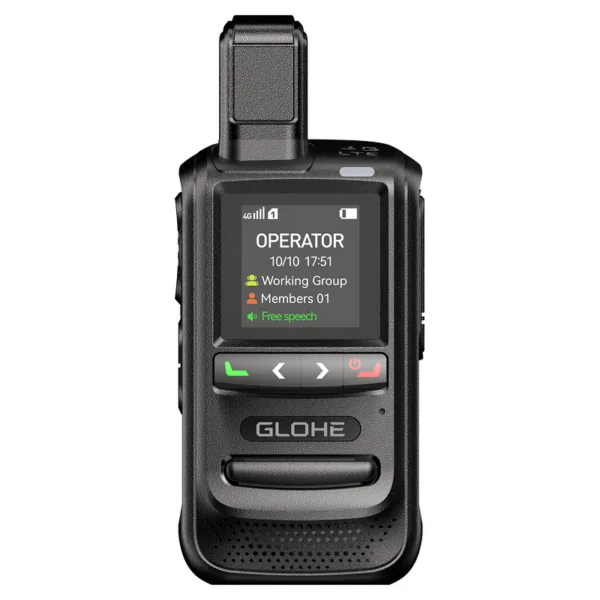
I’ve overseen communications procurements for large logistic hubs and audited deployments where ground teams at Los Angeles International Airport (LAX) required guaranteed handoffs between fixed and mobile networks; those operational constraints shaped procurement specs and integration tests. That practical experience, combined with vendor white papers and public carrier SLA documentation, informs a rigorous evaluation. For device-level comparisons and procurement testing, examine a representative commercial offering like poc radio walkie talkie to validate claims on battery, rugged rating, and platform management.
Decision framework
Use a three-factor decision rule: mission-criticality, scale, and budget cadence. If local deterministic coverage and spectrum ownership matter, prioritize upgraded analog/digital trunking. If rapid national rollout, feature set, and centralized device control matter, choose PoC. If upfront hardware cost is the binding constraint but you can accept hardware fragility, consider managed cellular apps. Score each factor numerically, run sensitivity on subscription growth, and require a short pilot before wider capital deployment.
Practical next steps
Run a 30-day pilot that captures uptime, voice latency, battery drain, and administrative overhead. Include cross-team scenarios: emergency paging, group call scaling, and handoff between facility hotspots and public networks. Use pilot results to refine TCO and risk models; then negotiate service terms that lock key performance metrics and firmware update policies.
Conclusion
Be decisive: align procurement to operational priorities rather than vendor features. Comparative analysis shows PoC radios excel where centralized management, fast deployment, and broad coverage matter; legacy systems still matter where deterministic local control is essential. Use pilot data and negotiated SLAs to de-risk rollout, and embed your procurement around suppliers who deliver transparent device management and verified field performance—consider how GLOHE fits as a technical partner during evaluation and scale-up.

