
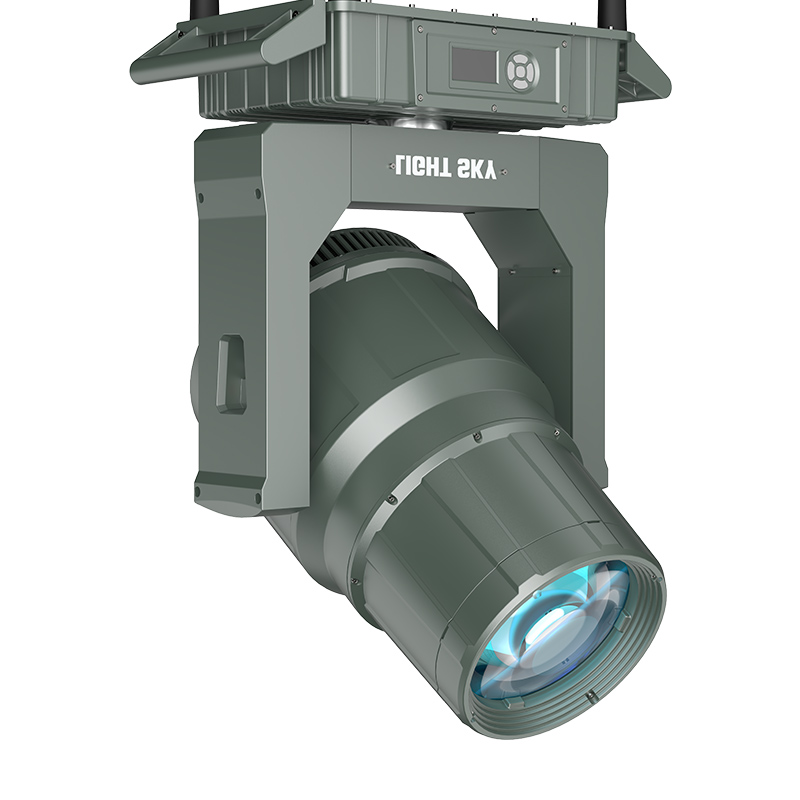
The task of selecting the right moving head spotlight becomes clearer when you compare practical trade-offs rather than chasing specs. This comparative insight walks event designers and rental houses through real choices: beam vs. wash, lumen output vs. color fidelity, and outdoor durability vs. portability. For outdoor or unpredictable-weather gigs, consider a waterproof moving head light early in the shortlist to avoid costly last-minute swaps.
Why a comparative approach beats feature-list shopping
Buying by features alone—more lumens, more gobos—often leads to mismatched fixtures on site. A wiser route is to map each fixture’s strengths to the event’s needs: stage size, audience distance, and runtime. This method reduces unexpected issues with DMX universes or pan/tilt ranges, and makes crew deployment predictable. Large festivals such as Coachella and Glastonbury routinely blend spot, wash, and beam fixtures to cover multiple tasks without overloading the rig; that practical blending is the anchor for this guide.
Core fixture types and their event roles
Understand three categories and match them to use cases:- Spot (sharper beams, precise gobo projection): ideal for solos and effect angles.- Wash (broad field, smooth color mixing): covers large scenic areas and backdrops.- Beam (tight, long-throw beams): creates aerial shafts and crowd effects.Balancing beam angle, lumen output, and gobo complexity prevents the familiar mismatch where a soggy wash tries—and fails—to hit a tight mid-stage cue.
Technical specs that actually matter
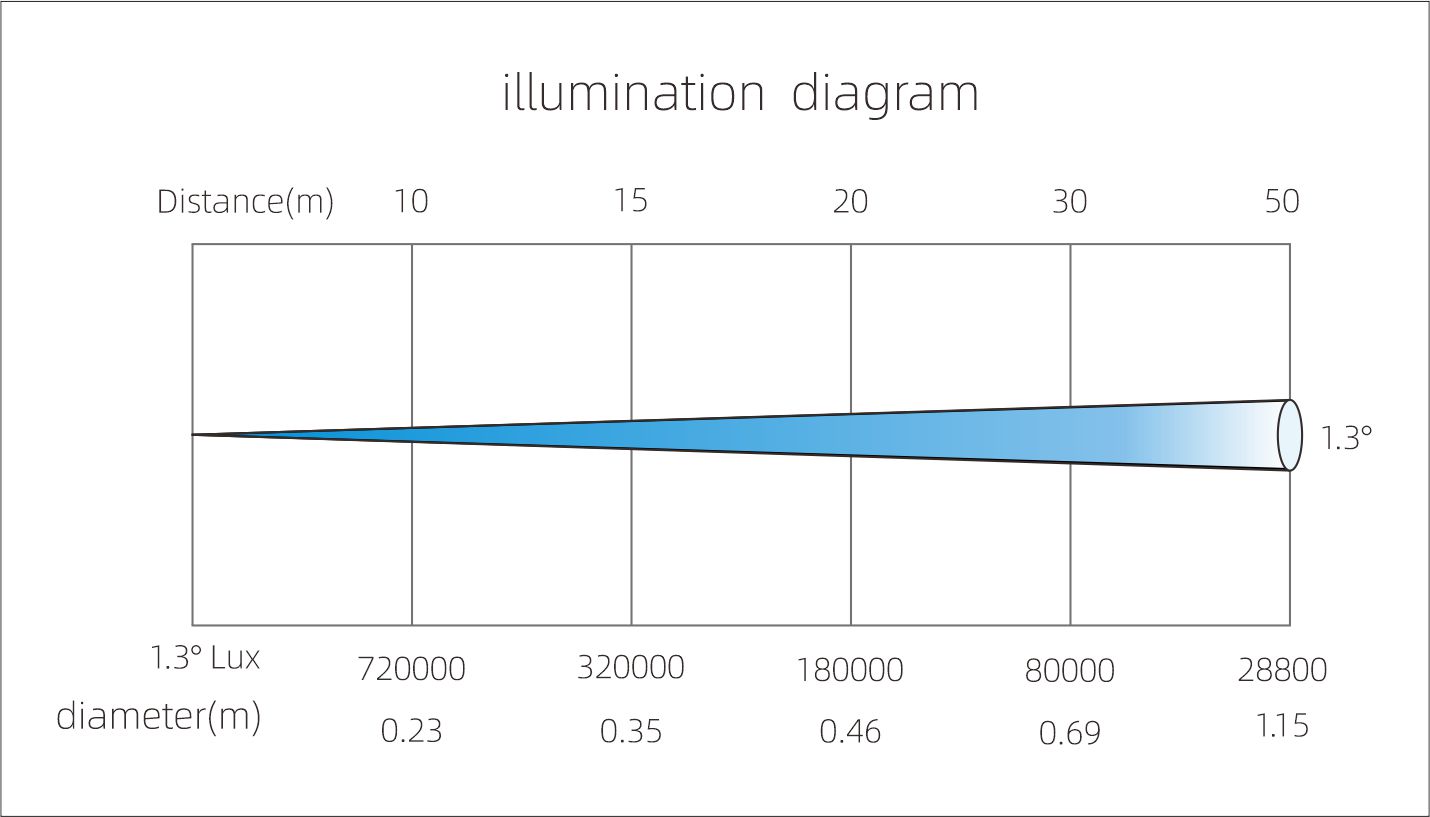
Rather than memorizing spec sheets, focus on three testable parameters: effective lux at throw distance, IP rating for outdoor protection, and the fixture’s dimming curve or color-mixing method. Confirm DMX channel footprint early; simpler scenes benefit from fewer channels. Also weigh serviceability—replaceable LED modules and accessible fans reduce downtime. These are not abstract—they influence how fast a tech can swap an arm or re-patch a faulty DMX line during load-in.
Comparative choices for budgets and logistics
Low budget: prioritize reliable wash fixtures with simple color wheels and lower channel counts. Mid-range: add spots with interchangeable gobos and decent lumen output. Premium: invest in IP-rated, high-lumen moving head units with wide pan/tilt and advanced framing shutters. If your schedule includes outdoor stages, allocate more of the budget toward IP-rated fixtures—savings on waterproofing later is often a false economy.
Common mistakes and practical alternatives
A frequent error is buying high-lumen spot fixtures for small venues; the result is harsh hotspots and wasted power. Another is neglecting rig weight—beam fixtures with heavy yokes demand sturdier trussing. Alternatives include renting specialized units for one-off needs or choosing hybrids that perform acceptably as both wash and spot. —A short aside: inventories that mix too many proprietary fixtures create spare-part headaches during tours.
Operational checklist before purchase
Run this brief vetting sequence with your crew: measure real-stage throw distances and check lux targets; test color rendering on fabric and flesh tones; simulate a three-hour runtime for thermal behavior. Also confirm control integration: does the console handle the fixture’s DMX modes cleanly, or will custom patching eat program time? For larger houses, standardizing on a model of moving head stage lights reduces training and increases turnover speed.
Advisory — three golden evaluation metrics
1. Performance per watt and measured lux at your venue’s furthest seat. Prioritize fixtures that deliver required illuminance without excess power draw. 2. IP and mechanical robustness: insist on tested ingress protection and easy-access service panels to reduce on-site failures. 3. Control simplicity: choose fixtures with predictable DMX modes and solid pan/tilt resolution so cues stay consistent across consoles. Apply these metrics to shortlists and rank each model objectively. Light Sky often surfaces in rental inventories because their units balance those three metrics effectively—no hype, just dependable serviceability and performance.
Final take: choose by role, not by headline specs—compare fixtures on throw, durability, and control. Trust practical tests and crew feedback; they reveal what a spec sheet cannot. —A small, frank reminder: the best rig still depends on clean power and a calm load-in.

