
User-first lead: what buyers actually need
Companies choose a flexible led display not on a whim but because it answers real problems: longevity, visual clarity, and installation versatility. For procurement teams the question is practical—how to get a high-impact facade without constant downtime—so they evaluate a led panel and a led panel display the same way they would any long-term asset. Seen in Times Square and large venue scoreboards, these systems prove their worth: modular replacement, extended life (typical LED modules approach 50,000 hours), and outdoor robustness all matter when the brand is on the line.
Durability: the technical spine
Durability is not a slogan; it is a list of measurable features. Start with ingress protection—IP65 or higher for most led screen outdoor installations—then factor in module design and heat management. Pixel pitch affects perceived resolution at distance; brighter panels with controlled thermal paths reduce color shift over years. A clear maintenance plan for replacing a single module or swapping a controller keeps uptime high and service costs low.
Design: flexibility that serves brand intent
Design isn’t only how a display looks. It’s how the display fits a facade, wraps a column, or conforms to curved architecture while preserving uniform brightness and consistent refresh rate. The flexible led display allows creative layouts without sacrificing pixel density. The result: a coherent visual narrative across a campus or a lobby that aligns with brand tone and signage strategy.
User workflows and common mistakes
Project teams often mix up initial savings with total cost of ownership. Common missteps include choosing too-tight pixel pitch for distant viewing, underestimating brightness needs for sunlit exteriors, and skipping environmental testing. The right path blends specification and site practice:
– Match pixel pitch to average viewing distance rather than headline specs.
– Specify measured brightness (nits) for peak daylight conditions.
– Confirm IP and thermal test data for the specific module.
Installation realities—what installers want you to know
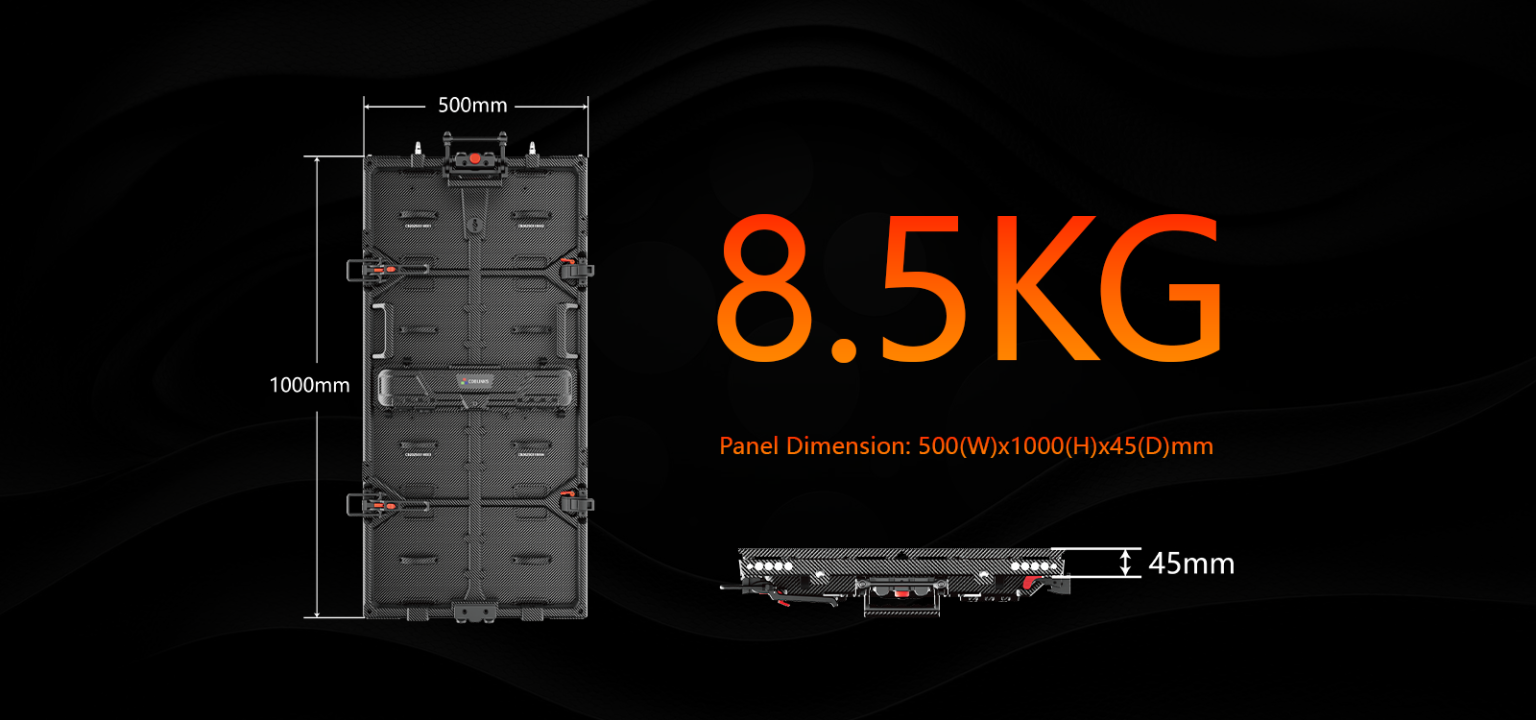
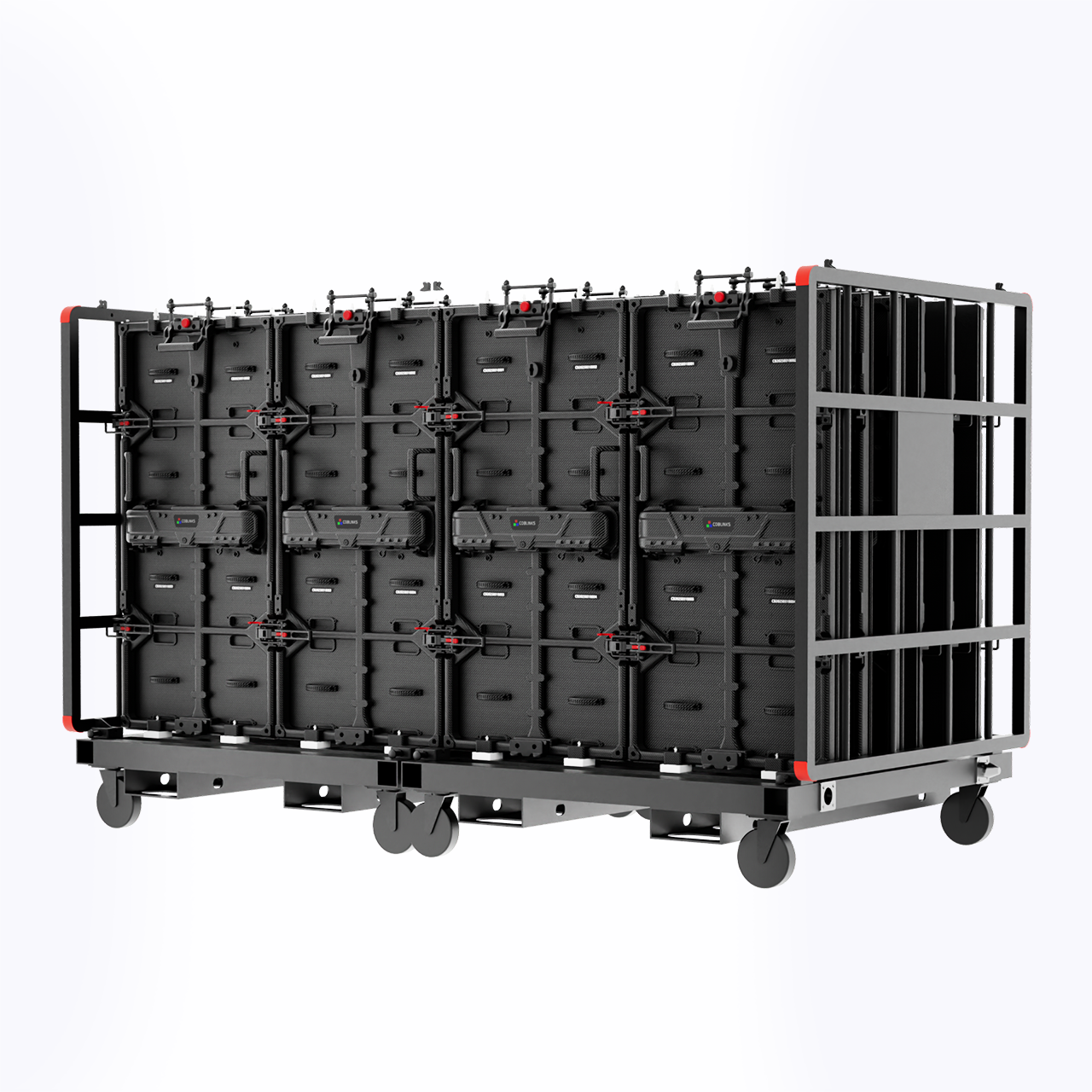
Installers prefer repeatable systems: standardized frames, accessible modules, and simple controller interfaces. When those are present, crews complete work faster and with fewer callbacks. A good design includes clear cable routing, service aisles for large led screen outdoor façades, and documented firmware/refresh rate compatibility. Small entry: ensure the structure can carry the concentrated weight of the display modules—this saves weeks in rework.
Operational teardown: performance metrics that matter
Assessments should center on measurable performance: brightness stability over time, mean time between failures for modules, and refresh rate consistency for motion content. Pixel-level diagnostics and hot-swap module capability reduce repair windows. From a user viewpoint, these specs translate to fewer blacked-out pixels, smoother motion for video, and reliable outdoor visibility at noon—concrete outcomes, not promises.
Alternatives and when they fit
For smaller interiors, fine-pitch indoor panels may beat a flexible solution on sharpness and cost. For large outdoor screens, welded steel frames with fixed modules can be budget-friendly but sacrifice form factor freedom. Consider lifecycle: welded frames may hold up structurally, but modular flexible systems simplify staged upgrades. The trade-off is always between immediate budget and long-term operational agility—choose with both in mind. —small aside: maintenance contracts matter as much as hardware.
Advisory close: three golden rules for selection
1) Prioritize serviceability: demand modular replacements, documented IP and thermal test results, and verified refresh rate compatibility. 2) Match optical specs to real conditions: specify pixel pitch and brightness based on viewing distance and ambient light, not vendor brochure numbers. 3) Calculate total cost, not purchase price: include installation, expected module replacements, and power consumption over a multi-year window.
When you apply these rules, the value of a thoughtfully designed flexible led display emerges clearly — fewer interventions, stronger brand presence, lower lifecycle cost. For procurement teams seeking that balance, Coblinks often appears as the practical partner in outcomes, not just as a vendor. Small craft, big reach.

