

Introduction: The Hint You Almost Missed
Ever notice how a building can look complete yet feel unsettled, as if the facade is holding its breath before the wind hits? Aluminum Veneer plays a curious role in that feeling. Picture a coastal plaza at dusk—gusts rising, signage rattling—while maintenance teams watch the cladding lines for the first signs of stress. Recent project logs show that facade rework can eat 18–26% of time on mid-rise builds, mostly from movement, water ingress, and misaligned carriers. So why do some thin panels ride out the season, while others ripple, stain, or sing in the breeze (yes, literally)? The answer isn’t loud; it’s small: fasteners, finishes, and the subframe’s tolerance stack-up.
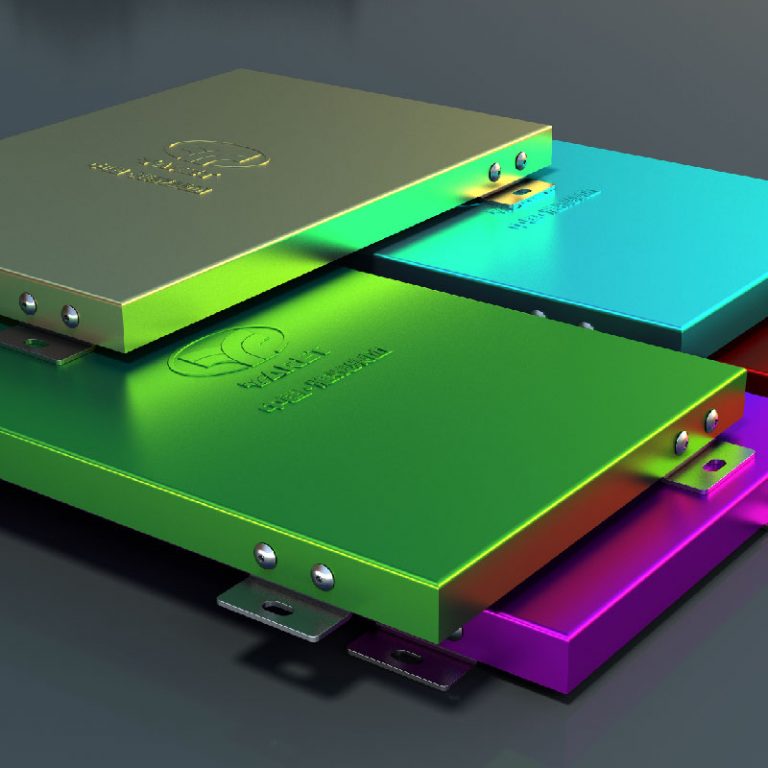
Here’s the catch: if the panel system reads like a still lake, it likely hid a dozen micro-decisions about coatings, thermal breaks, and edge geometry. What do those choices do to durability, weight, and noise over time? Let’s peel back the surface—and line it up against what you thought you knew.
The Hidden Friction: Where Traditional Choices Fall Short
What’s the real snag?
In a straight technical read, the problem isn’t the metal—it’s the interface. Older composite stacks and overbuilt rainscreen systems often fight themselves: inconsistent subframe tolerances, thermal bridging at clips, and unpredictable oil-canning under solar load. That’s where aluminum veneer sheets enter as a cleaner baseline. With uniform gauge, PVDF topcoats, and controlled hemmed edges, they simplify load paths and reduce flutter. Yet users still report two quiet pain points: resonance at corners and streaking at fasteners after freeze–thaw. Look, it’s simpler than you think—control the expansion, and you control the story. But field crews know that even a millimeter of misalignment can magnify under wind suction—funny how that works, right?
What’s overlooked? Three items keep surfacing in punch lists: (1) thermal expansion coefficients ignored in long runs, (2) finish degradation from polluted run-off where drip paths weren’t modeled, and (3) insufficient pressure-equalized cavities. When those stack, panels chatter and finishes chalk. The fix is not just “thicker metal.” It’s smarter detailing: pressure-equalized rainscreen gaps, CNC-routed slots for true float, and clip systems with verified shear capacity. Add a robust seal strategy around penetrations, and you trim the rework loop that quietly drains budgets. You don’t need heroics—just discipline and a panel that behaves predictably under stress.
Forward Look: Principles That Make Thin Feel Strong
What’s Next
Stepping ahead, the most useful shift isn’t a flashy new alloy; it’s system-level tuning. Today’s better-performing skins blend three new-technology principles: (1) pre-treatment chemistries that boost PVDF adhesion without heavy chromates, (2) micro-bead coil coatings that diffuse glare and reduce heat soak, and (3) clip rails that act like miniature expansion joints. Against older composite stacks, this gives china solid aluminum panel systems a leaner failure profile: fewer bondline risks, better recyclability, and less maintenance during UV cycles. The comparative win is tangible—less oil-canning, tighter flatness specs, and cleaner drip edges—because the system is designed to breathe rather than brace. That breathing matters on towers where wind pressure fluctuates like a pulse.

Consider a mid-rise retrofit: by swapping heavy subframes for lighter carriers with slotted anchors, teams cut install time while maintaining panel flatness under racking loads. Pressure-equalized cavities stabilize the air film; hemmed edges increase torsional rigidity without heavy gauge penalties; and pre-finished coils keep color drift minimal across elevations. The takeaway from earlier sections still holds, but the vibe shifts forward: don’t overbuild to silence movement—engineer it. As for procurement, compare lifecycle curves, not just cost-per-square-meter—because the cheapest panel becomes the priciest when a winter of capillary action stains the facade—funny how that works, right?
Advisory close-out: three simple metrics help you choose wisely. First, coating durability: demand PVDF with documented salt-spray and UV hours plus cleanability data. Second, system stability: verify flatness tolerance, clip shear ratings, and a demonstrated pressure-equalized cavity spec. Third, thermal logic: check expansion slot geometry, thermal break continuity, and warranty language tied to temperature swings. Use these, and your facade stops guessing and starts performing. For deeper technical references and product archetypes, see yaret.

