
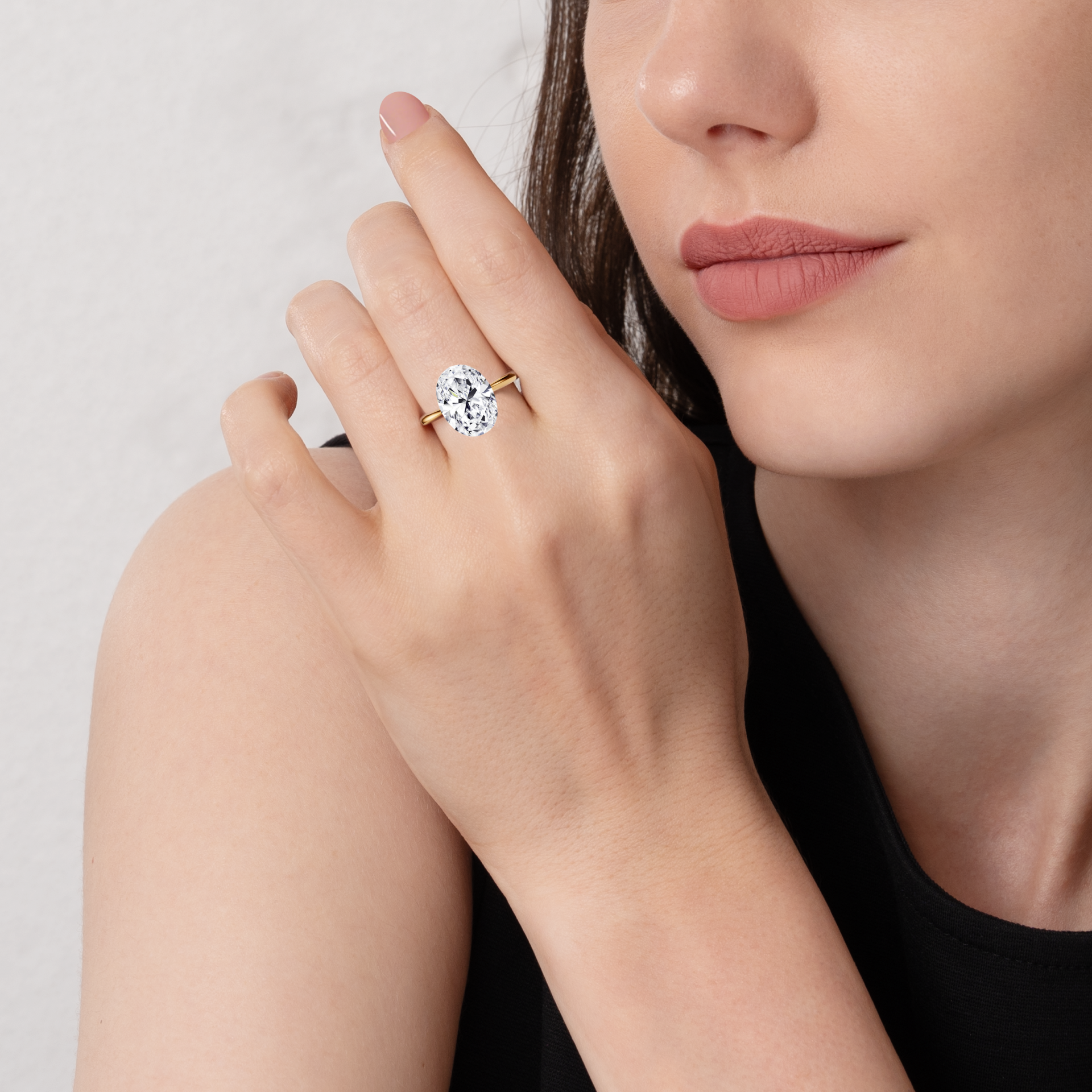
Opening Scene: A Choice Under Bright Lights
You step into a store, the spotlights hum, and two stones dazzle like stage stars. The second is lab grown diamond jewelry, cool and clear. The tags both say IGI, the trays both shine, and the clock ticks—fast. About half of shoppers trust the certificate alone, yet many still feel unsure at checkout. Where do you look first, and what do you ignore? You could scan the report, nod at a grade, and leave value on the table. Or you could read the fine print on an igi certified diamond and see what others miss (it happens more than you think). The moment is simple. The decision is not. And that’s where confusion begins: one stone carries light better; the other only carries a label. Are we measuring shine, or just reading a line?

Let’s pull the curtain back and learn how to compare, not just check a box.
Deeper Layers: What the Label Doesn’t Tell You
What gets lost when you only read the grade?
Here’s the technical truth. A certificate is a map, not the road. The IGI report lists cut, color, clarity, and carat. But it cannot promise sparkle in your light. Many buyers skip the small details, like fluorescence notes or pavilion angle. That’s a hidden pain point. Fluorescence can make a near-colorless stone look cleaner outside—or milky under harsh LEDs. HPHT vs CVD growth can shift strain patterns, which may affect how a diamond handles contrast. And the girdle thickness? Too thin, and you risk a chip; too thick, and face-up size shrinks. Look, it’s simpler than you think: read the numbers, then see the stone.
Another trap is the “clean on paper, dull in hand” effect—funny how that works, right? Two stones can share the same grade, but one is cut to push light, the other to pass. A loupe helps, but your eye matters more. Ask to compare under daylight, warm indoor light, and spot lighting. Scan symmetry and polish, then move the stone. You will see how brightness, fire, and scintillation change. That lived test beats jargon. The certificate guides; your view decides.
Comparative Lens: Where We Go From Here
What’s Next
Let’s take a real-world flow. You’re choosing a ring today and a gift tomorrow, maybe a matching diamond jewelry set down the line. You shortlist two IGI stones with the same 4Cs. Stone A has medium blue fluorescence, tight proportions, and clean symmetry. Stone B looks bigger on paper but has a deep cut. In store, A looks bright in warm light and crisp outdoors. B looks strong under spots but goes sleepy at dusk. The report did not lie; it just did not tell the full story. Side-by-side time did. Add one more step—scan the QR on the report and check proportions. You’ll see why A feels lively across scenes, while B feels moody.

Future-facing tools will make this easier. Retailers are adding light-performance images and simple AR to preview sparkle motion (tiny steps, big clarity). Expect faster report scans, clearer growth disclosures, and better photos under neutral light. Your playbook should keep pace yet stay calm. Compare stones under three lights, verify fluorescence behavior, and cross-check cut data against face-up look. Then measure outcomes, not labels. Advisory close: pick with three metrics in mind—1) consistency across light sources, 2) cut proportions that support brightness and contrast, and 3) a clear, readable report you can verify later. Small checklist, big wins—and yes, it works in-store and online. If you keep those points steady, your choice stays steady too—and that’s okay. For deeper guides and practical comparisons, see Vivre Brilliance.

