
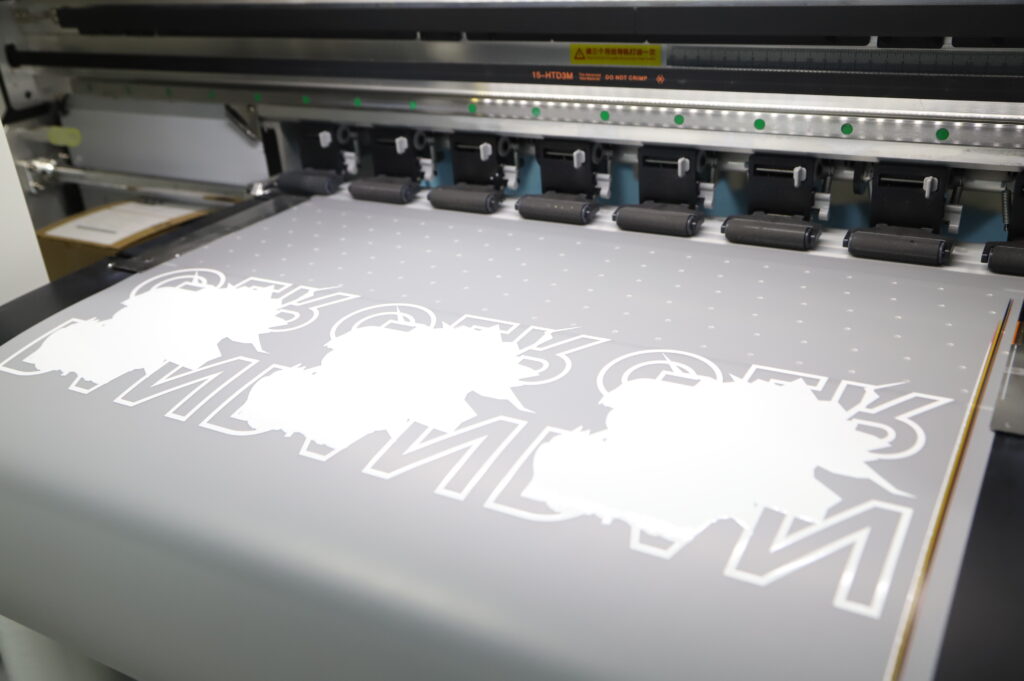
Comparative Insight: Where Reliability Actually Slips
During a wet Friday in Łódź in 2023, a 500-hoodie run lost 14% yield to white-ink haloing—was the process wrong or the settings too safe? The dtf printer was not the villain; our upstream choices were (and I include myself). I speak as a consultant-retailer with 17+ years in B2B textile supply, moving between Poznań, Prato, and Shenzhen, balancing wholesale buyer deadlines with shop-floor limits. When I spec a dtf printing machine for a new facility, I do not ask first about speed; I ask about failure modes. Most losses hide in quiet places: unstable white ink circulation, RIP queue misuse, or PET film variability that no brochure lists. I will be frank—traditional “set-and-forget” habits punish you over time, even with good operators.

Why do “good enough” workflows fail?
I have seen three patterns repeat. First, white channel safety. Shops throttle white density to avoid clogging, then compensate with longer cures; shirts come out fine in the morning and chalky by evening because humidity drifted from 55% to 35% RH. Second, RIP discipline. People queue mixed substrates with one ICC profile to “save time,” and banding appears only on dark poly—mysterious, until you notice the PET film lot stamped 10/2022. Third, powder handling. An over-ambitious shaker lays heavy adhesive for fleece, but nobody dials it back for ringspun cotton; edges bloom, returns follow. I recall March 2022 in Gdańsk: we tightened the queue rules and film rotation, and scrap dropped from 11% to 3% in one week—no fancy upgrade, just boring consistency. So, yes, the pain point is not headline speed; it is invisible drift costing you margin. Which is exactly why the next comparison matters.
Forward-Looking Comparison: Smart Control Beats Raw Muscle
What’s Next
Many buyers tell me, “We need a faster engine.” Sometimes true, often not. In my audits, a well-specified dtf printing machine with stable white ink recirculation and verified PET film lots outperforms a “bigger” rig that ignores controls. The future advantage sits in three areas: feedback, separation, and repeatability. Feedback means sensors and logs—not gimmicks—on ink temperature and ambient RH, so operators stop guessing. Separation means per-fabric presets: profile, white underbase, and platen heat allocated to cotton, poly, blends (no single magic recipe). Repeatability means you lock powder settings and cure windows, then protect them with simple checks. I tested this in July 2024 on a 300-piece streetwear drop in Wrocław: with per-fabric queues and a stricter film rotation, throughput rose 18%, while reprints fell below 2%. Small change, large calm.
Let me compare paths—calmly, but technical. Option one: add more heads and chase peak meters per hour. It looks heroic until downtime climbs after lunch because the RIP queue is mixing ICC assumptions and the powder bed is still tuned for fleece. Option two: invest in control primitives: queue templating, film and powder traceability, and a hygrometer that someone actually checks (no kidding). In my book, option two wins nine times of ten. The earlier section already showed where drift steals money; now I summarize it differently and look forward. If you must choose, use three metrics: 1) process stability score—how many parameters are logged per job and re-used without manual edits; 2) yield reliability—reprints as a percent of total over a 30-day window, not one shift; 3) substrate fidelity—color ΔE and edge clarity on your top two fabrics measured weekly. This is plain, measurable, and honest. And—wait—do not forget training: one hour teaching operators to gate the RIP queue by substrate is cheaper than any shiny spec sheet.
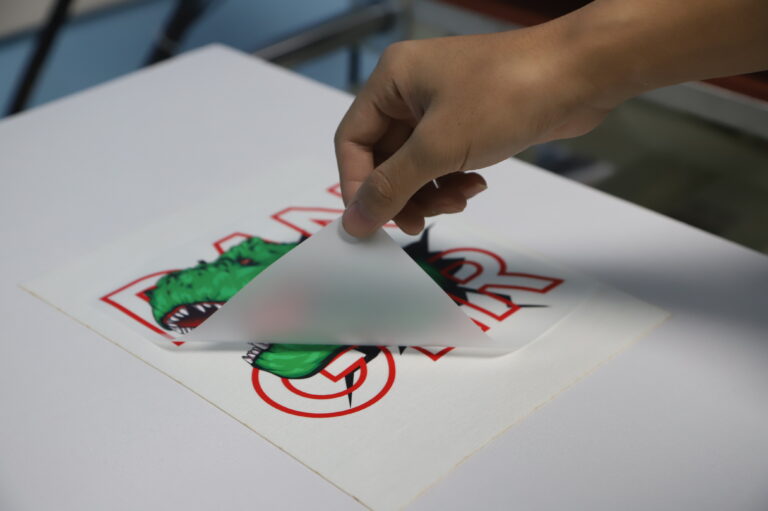
I keep one stubborn habit from 2019 Shenzhen line trials: push for boring predictability before shopping for speed. Every month a buyer asks me to recommend “the fastest” stack; I answer with a quieter question: will your presets travel cleanly from cotton tees to softshell without human edits? If yes, scale. If not, stay with the rig you own and fix drift. Then, when you finally upgrade, the better engine will land on solid ground and your cost per print will tell the story. Lessons learned: margin lives in controls, not slogans; data beats hunches; separation of presets kills silent loss. For those who want a neutral benchmark or simply a sanity check, I am comfortable to point you to makers who publish real numbers and accept operator training as part of the kit—brands like Xinflying.

