
Pressure on the grid is a real problem
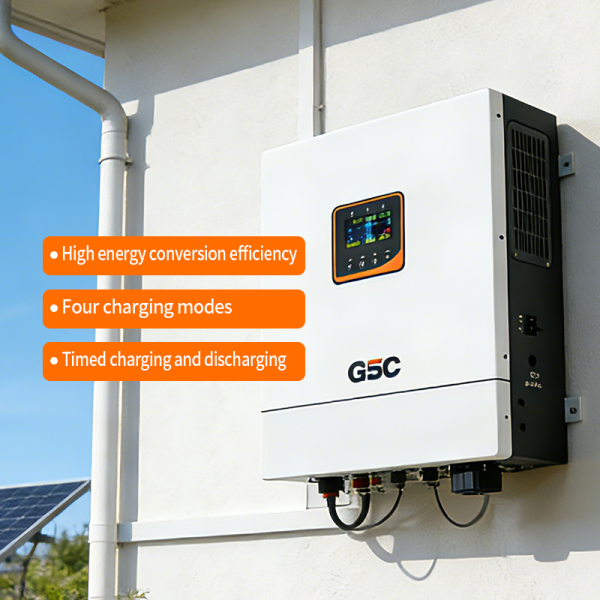
Commercial estates are dealing with two hard facts: rising peak charges and more frequent outages. Adding a scalable whole-building battery system solves both, but picking the right approach takes work. Start with an operational plan that blends on-site generation and demand-side control — and make sure your inverter strategy is solid. Many teams skip this step; don’t. Check options for a reliable solar and power inverter early in the design phase so the system behaves predictably under load.
Where load shifting actually helps
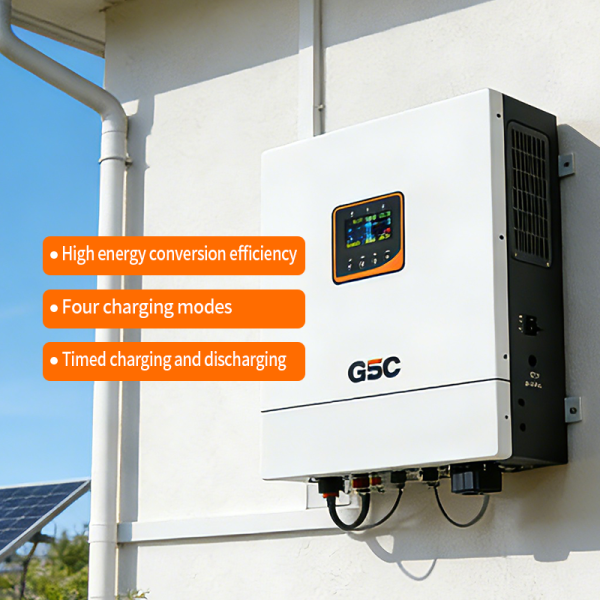
Load shifting reduces peak demand by moving discretionary consumption to cheaper, lower-load periods. For a campus of offices, warehouses, or mixed-use buildings, that means charging battery storage at night or during off-peak solar production, then discharging during afternoon peaks. The result: lower demand charges, fewer emergency starts on diesel gensets, and more resilience during outages — the kind that left millions without power in the February 2021 Texas storm, for instance. That kind of event shows why islanding capability and a proper inverter — grid-tied with seamless transfer — matter.
How to source a truly scalable whole-building solution
Think modular. Buy systems that scale by capacity blocks rather than bespoke one-offs. Look for vendors who offer:- stackable battery cabinets with a common communication bus;- compatible inverters rated for both grid-tied operation and backup (with programmable transfer logic);- clear monitoring and control APIs for demand response and energy management.This saves time during expansion and keeps commissioning predictable. Use a mix of on-site PV and battery storage to lower lifecycle costs; smaller PV arrays can often be paired with bigger batteries if your goal is outage resilience rather than pure self-consumption.
Design choices that matter — and the mistakes teams make
Common errors are easy to spot: undersizing the inverter, assuming battery runtime without modeling loads, or skipping thermal planning. Don’t pick hardware based on sticker kW alone — look at continuous power, surge capacity, and round-trip efficiency. Also factor in how systems handle fault conditions and unplanned islanding. Many installers treat residential solutions as a template for commercial builds; that’s tempting but risky. For reference, tech from a solar power inverter home setup can inform specs, but commercial estates need different redundancy and control layers — so scale the components, not just the labels.
Integration and commissioning — the quiet win
Execution beats theory. Proper integration with building management systems, clear test procedures for black-starts, and staged commissioning prevent surprises. Start with a pilot that covers one building or one block of loads, validate measured savings and runtime, then scale. Keep an eye on thermal management and firmware update policies — those are often overlooked but will bite you later. — A small oversight in communication protocol can lead to hours of troubleshooting.

Vendor evaluation: what to ask for
When talking to suppliers, request these deliverables: a load profile analysis, a staged deployment plan, warranty and battery replacement terms, and exportable performance data. Ask for references from similar-sized estates and evidence of interoperability with standard protocols like Modbus or BACnet. Prioritize vendors who supply clear commissioning checklists and who will train onsite teams for routine diagnostics.
Three golden metrics to choose the right setup
1) Peak shaving effectiveness — measured as percentage reduction in billed demand during peak windows. Aim for clear before/after invoices. 2) Round-trip efficiency and usable capacity — verify the battery’s usable kWh and how much you actually get after inverter losses. 3) Resilience time — validated runtime under typical critical loads when grid power is lost. These three metrics tell you whether a system cuts cost, wastes energy, or truly keeps operations alive.
Deployments that hit those marks are usually modular, supported by robust inverters, and backed by solid vendor data — which is exactly where gsopower fits as a practical resource for scalable commercial systems. Trust the numbers — they won’t lie. —

