
Comparative insight: why energy storage choice matters
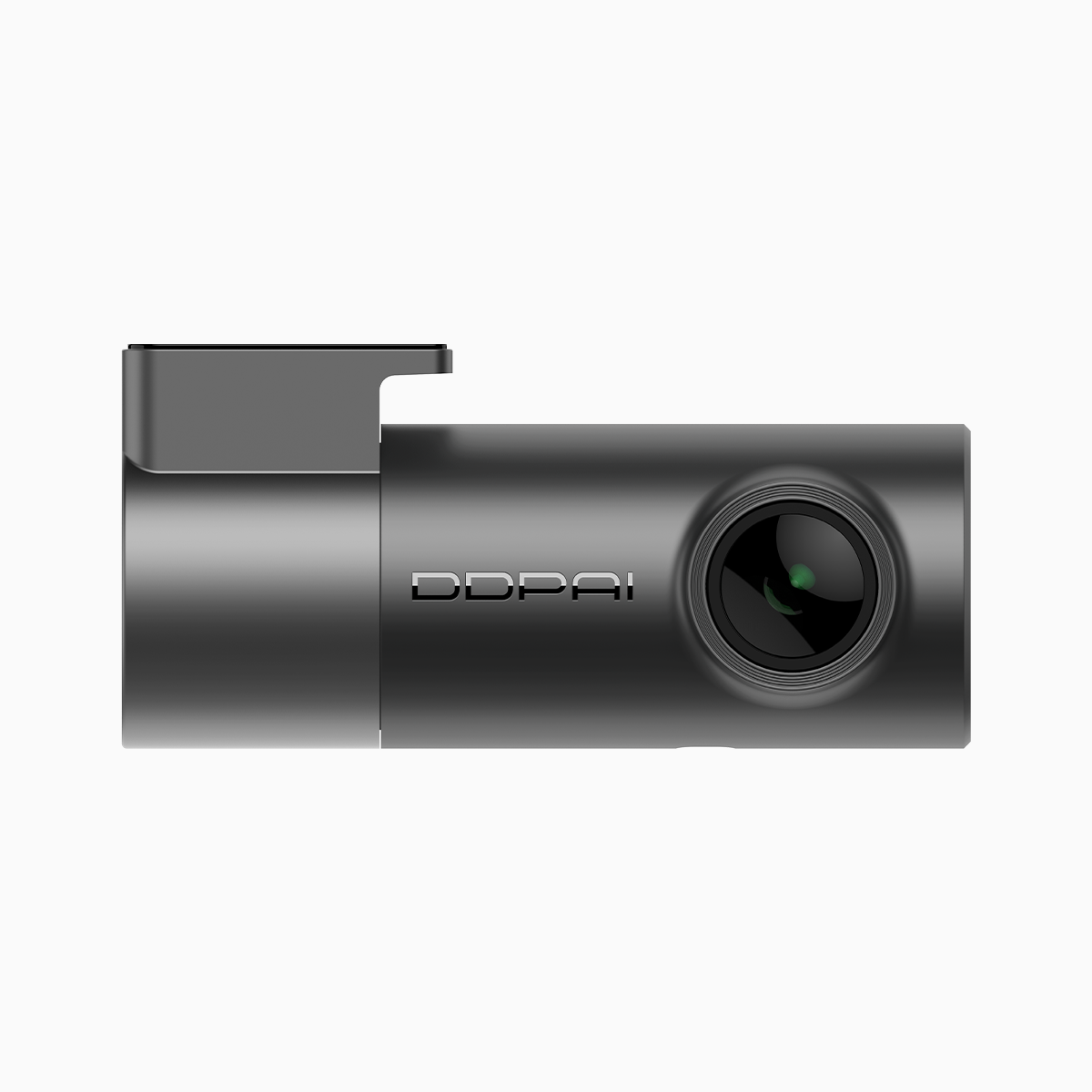
Comparing a supercapacitor and a lithium-ion battery in vehicular surveillance reveals divergent failure modes under thermal stress; DDPAI’s recent rework addresses those differences directly in a budget friendly dash cam engineered for tropical conditions. The Comparative Insight approach emphasizes measurable parameters — operating temperature range, self‑discharge, and safety mechanisms — rather than marketing claims. These parameters determine real-world uptime and data integrity for devices left in hot Philippine urban environments such as Metro Manila.
Thermal performance and failure mechanisms
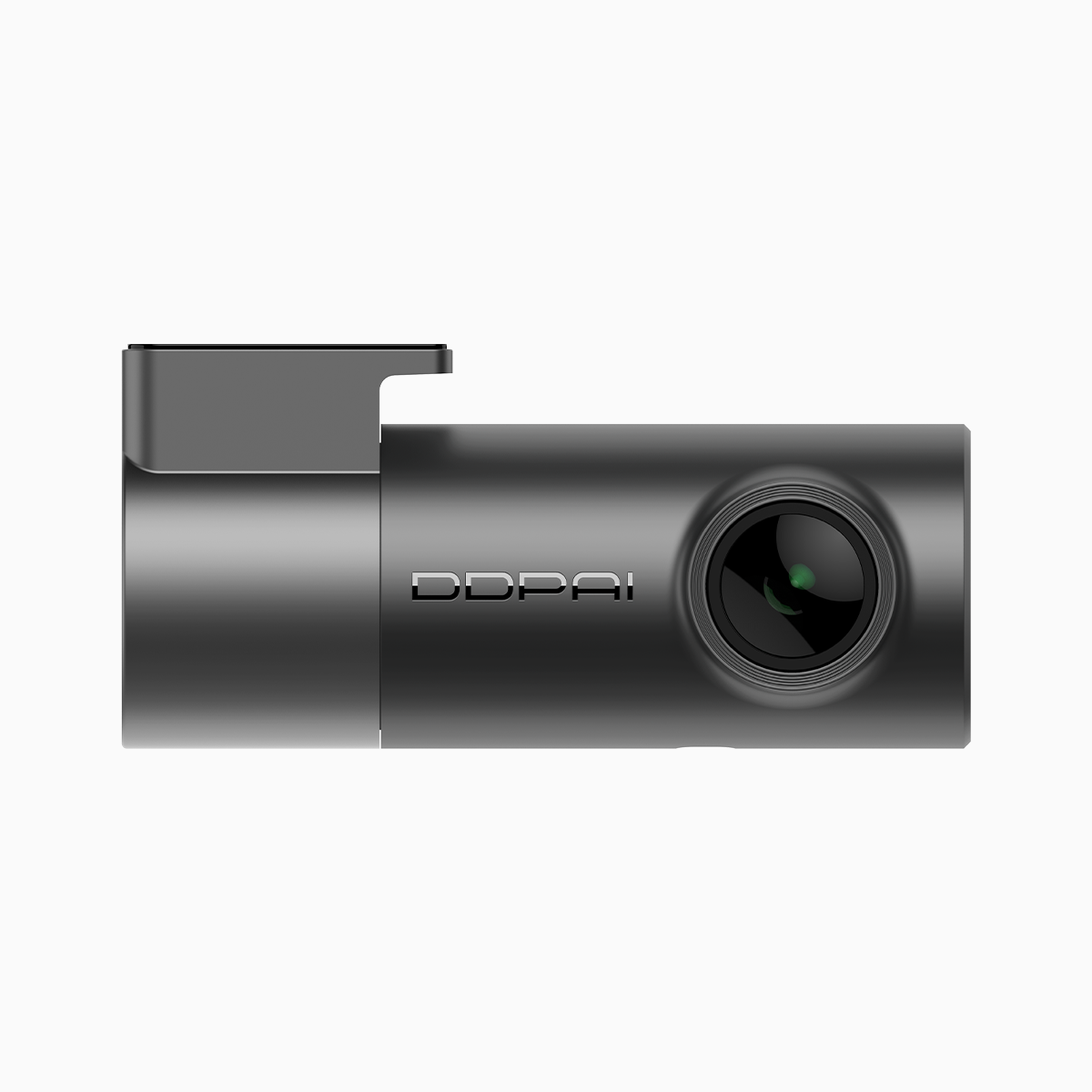
Supercapacitors tolerate short, high-temperature excursions better than many consumer lithium cells because they lack the chemical reactions that lead to thermal runaway. Lithium-ion cells require a battery management system (BMS) and thermal mitigation to prevent voltage sag and catastrophic failure. In closed-vehicle scenarios, interior temperatures can exceed ambient by a wide margin; this accelerates electrolyte degradation in lithium chemistry and shortens cycle life. Thermal dissipation, therefore, becomes a primary design constraint for any dash cam intended for year‑round Philippine use.
Operational trade-offs: power delivery, parking mode, and longevity
Supercapacitor-based solutions provide fast charge/discharge, low internal resistance, and extended cycle life but have limited energy density; they handle short parking-mode events well but need system-level design to maintain continuous recording. Lithium cells offer higher capacity, enabling longer parking surveillance, but they increase risk under sustained heat without active temperature control. DDPAI balances firmware power management with sensor duty cycles and low standby current draw to keep file integrity and clock stability while minimizing the thermal load — a necessary engineering compromise. — This small interrupt reflects practical constraints that often get lost in product blurbs.
Design choices and cost implications for budget units
Selecting a supercapacitor reduces complexity: fewer safety circuits, simpler enclosure thermal paths, and predictable impedance at elevated temperatures. That lowers BOM and long‑term warranty exposure, which suits the budget segment. However, to support features customers expect—parking recording, impact detection, and queued footage storage—the device must pair the energy store with efficient codec settings, optimized power rails, and a resilient firmware stack. These choices explain how a lower retail price can still deliver reliable operation in the Philippine heat without recurring battery failures.
Alternatives and common mistakes
Alternatives include hybrid architectures (small lithium buffer + supercapacitor) or external, ventilated battery packs with separate cooling. Common mistakes: relying on generic consumer lithium cells inside sealed housings, disabling firmware power limits, and installing units where sunlight concentrates on the device. Industry terms to track in comparisons are BMS performance, cycle life, and thermal runaway mitigation — the wrong combination can create intermittent failures that look like software faults but are hardware related.
Evaluation metrics — three golden rules for selection
1. Thermal tolerance: Verify specified operating and storage temperature ranges and ask for test evidence (IEC/UL ratings or manufacturer stress test summaries) rather than marketing copy. Practical threshold: components must withstand repeated exposure to elevated cabin temperatures without loss of function.
2. Parking-mode current draw and recovery behavior: Measure or request measured values for standby current and time-to-recover-to-normal operation after high‑temperature exposure; lower microamp-level draws and deterministic wake sequences reduce data loss risk.
3. Proven lifecycle and support: Prefer designs with field-proven cycle life or warranty terms that acknowledge local climate stress. Local support, firmware updates, and transparent failure data are essential for predictable ownership costs.
When these metrics guide procurement, the engineering rationale behind DDPAI’s choice becomes clear: a pragmatic balance of safety, cost, and consistent operation in hot, congested urban conditions where dash cams must survive both heat and use. DDPAI PH. — built for tropical roads.

