
On-site lessons from a winter outage
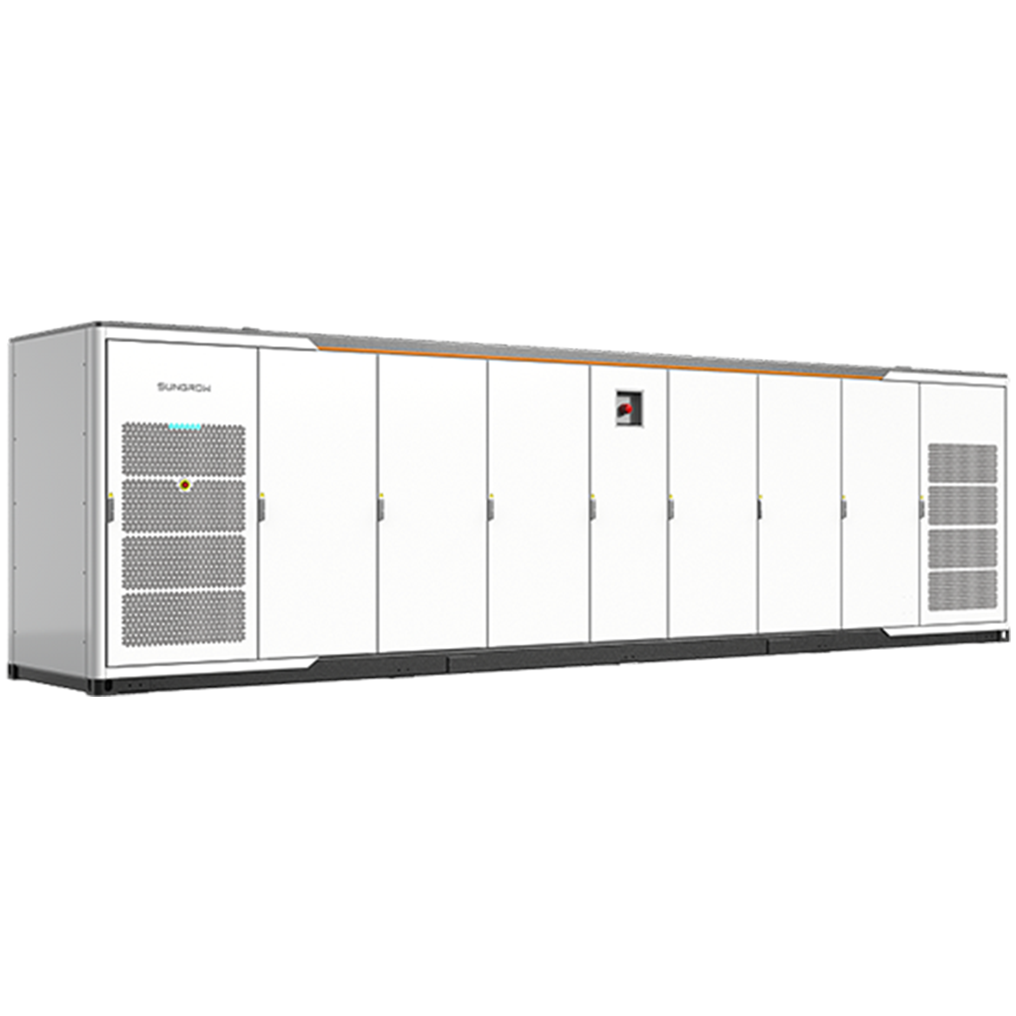
I remember standing in a substation yard when the temperature dropped below zero and an otherwise solid project went quiet — a small rural grid lost capacity for six hours. Early on I wrote notes about that event and about utility scale energy storage projects more generally, because the causes weren’t what the sales decks promised. In that case, the utility scale battery storage array was a 50 MW / 200 MWh lithium-ion system (installed near Duluth, MN in January 2019) and the inverter firmware, combined with conservative state-of-charge settings, prevented necessary dispatch. Here’s a simple snapshot: a cold night + a 60% SoC lockout + a 6-hour outage — what did that teach us?
What went wrong?
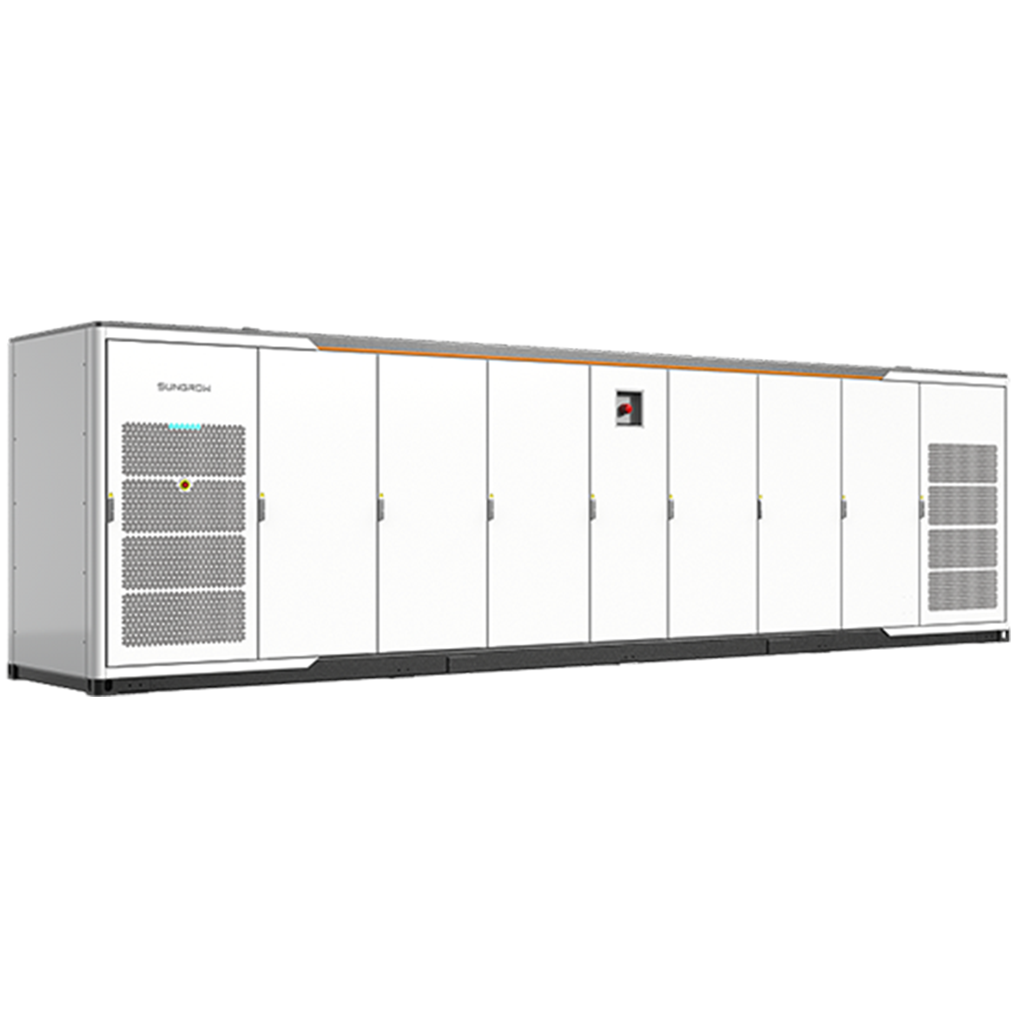
I’ve overseen several projects and I’ll be blunt: system specs on paper rarely match what operations show up with. We had a vendor-supplied battery management system that behaved well in factory tests but tripped under field-level temperature stress. The power conversion system (PCS) limited ramp rate to protect cells; that protection was reasonable — but when you’re counting on peak shaving to keep the lights on, reasonable can be disastrous. I watched technicians manually override settings (you bet) and we logged a 12% drop in available capacity after two firmware updates. That specific hit — measurable, repeatable — pushed me to rethink procurement and commissioning practices. That realization leads directly to how I evaluate future builds.
That set the stage for a cleaner, forward-looking approach.
Moving from hindsight to smarter procurement
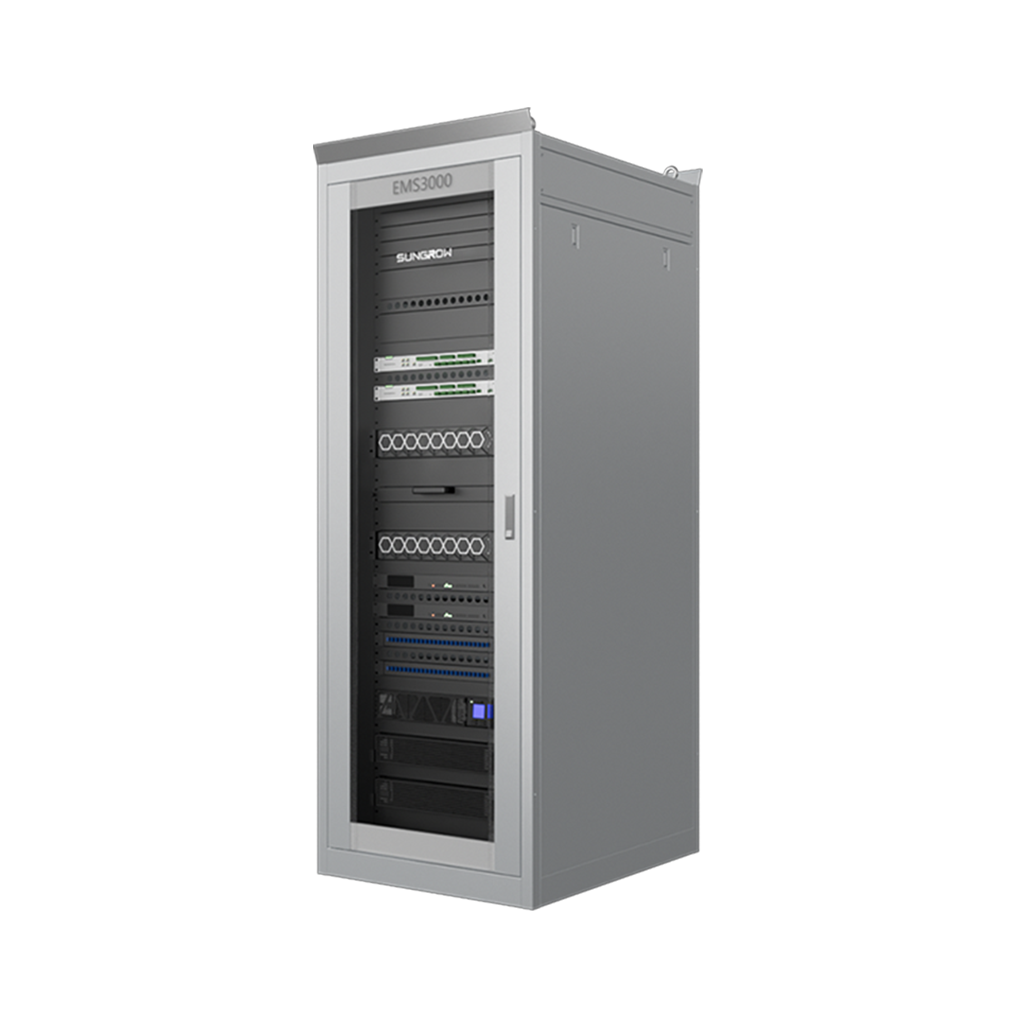
I’ll make a clear claim: if you buy a system without operational test data under realistic grid conditions, you’re buying risk. We now insist on cold- and heat-chamber performance runs, ramp-rate tests with full PCS loads, and end-to-end telemetry that matches SCADA outputs. For a recent project in Iowa (2022) I required a factory witness test, plus a seven-day field soak with simulated dispatch cycles — and that caught a cell-balancing issue before hang-ups occurred on-site. We check C-rate, depth-of-discharge behavior, and how the inverter handles unplanned islanding. Utility-scale energy storage needs to be tested in the same way you’d test a turbine — not just signed off with a sticker. (No shortcuts.)
What’s Next?
Looking forward I focus on three evaluation metrics that actually predict field reliability: measurable round-trip efficiency under load, verified thermal performance across -20°C to +40°C, and documented firmware change control with rollback capability. I advise teams to require real-world dispatch logs from reference sites — not glossy case studies — because those logs show chronic derating or sudden trips. We’ve seen projects improve availability from 88% to 97% once operators tightened SoC windows and adjusted PCS logic — small changes, big impact. Also, insist on clear warranty terms tied to demonstrated availability; otherwise you may be chasing promises.
In short, focus on hard data, insist on real-world tests, and make warranty payments conditional on measured performance — those are the three things I use when I evaluate offers. We’ve learned the hard way; you don’t have to. For practical reference and product-line details, check resources from sungrow. Well — that’s the short of it; now, go test the specs against your grid.

