
The Challenge of Modern Farming
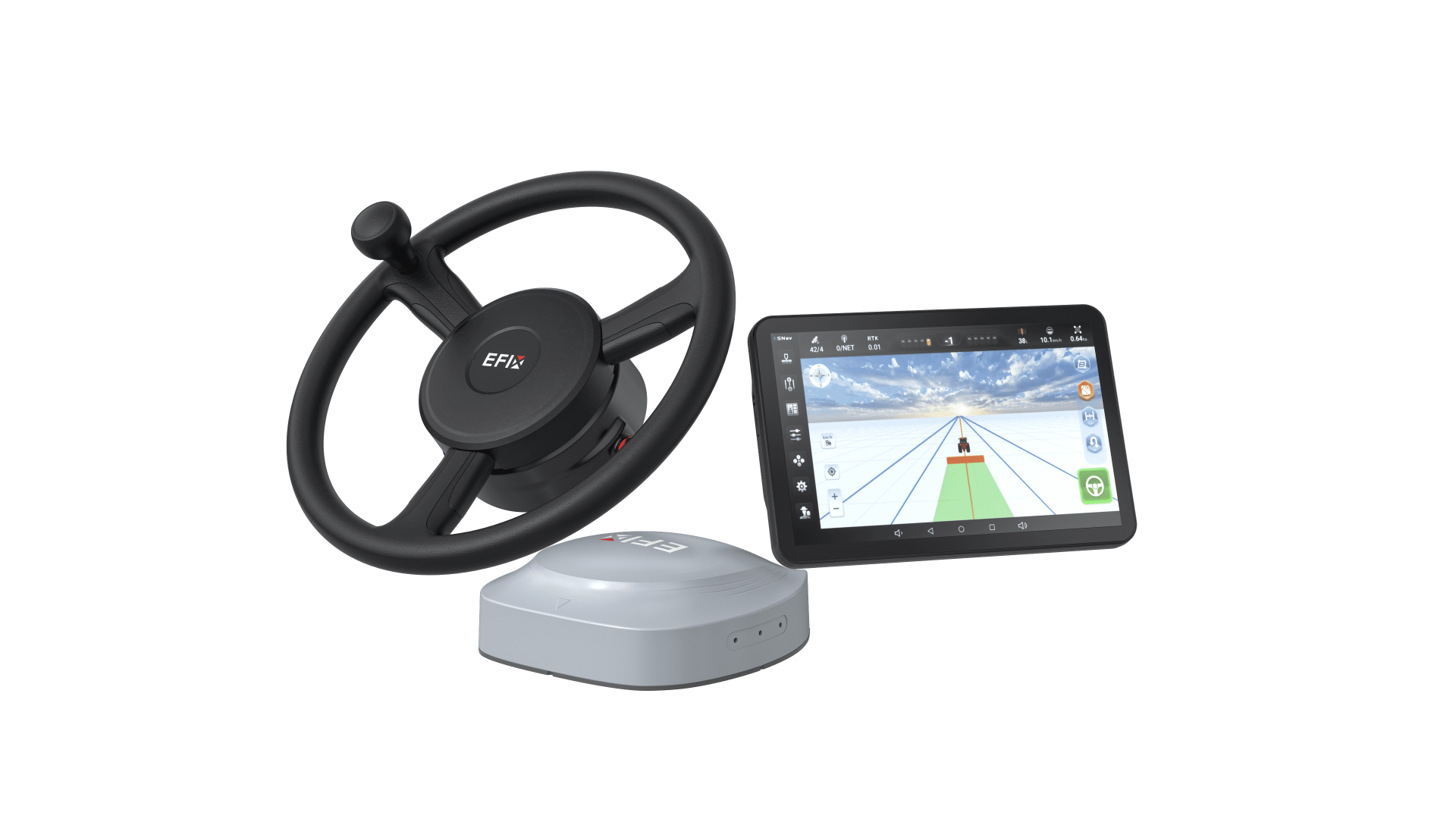
In today’s world, many farmers grapple with inefficiencies while managing their crops. A research study from 2022 highlighted that about 80% of farmers struggle to optimize their yield. With the growing pressure to produce more using fewer resources, a precision agriculture guidance system comes into play. This system, which employs advanced technologies, can significantly enhance productivity and sustainability. That’s where precision agriculture tools step in, offering innovative solutions to streamline farm management.
Understanding Precision Agriculture Tools
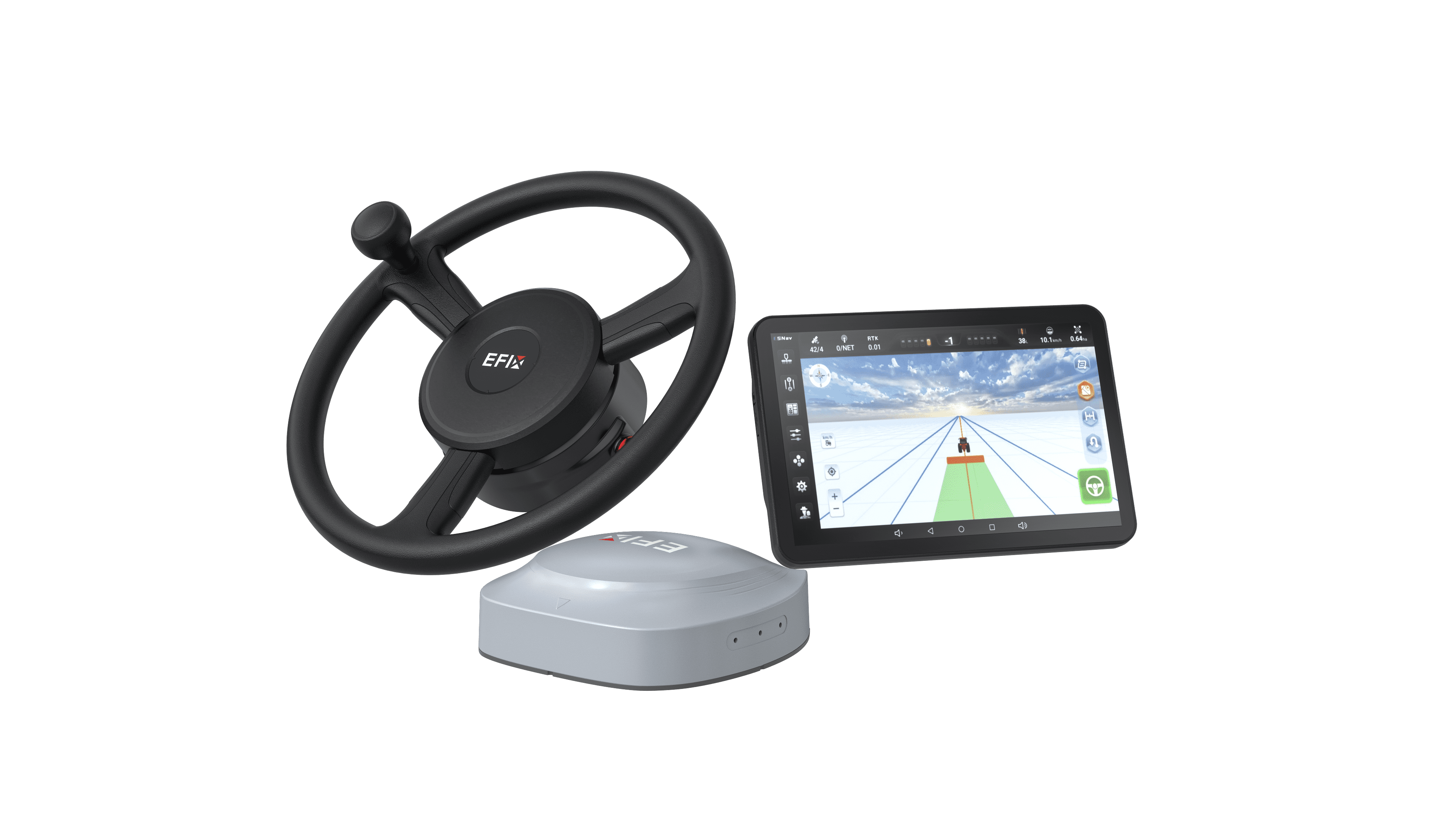
Precision agriculture tools are essentially the backbone of modern farming, incorporating GPS technology, IoT sensors, and data analytics to maximize efficiency. I remember visiting a farm last year that was fully equipped with such tools—impressive drones mapped the fields, while real-time data helped the farmer make informed decisions about irrigation and soil health. Yet, not all tools are created equal. Some options fall short in user-friendliness, leading to wasted time and resources, while others might be technologically advanced but overly complex for daily operations. It’s a juggling act! By identifying traditional solutions’ flaws, we can better adopt tools that genuinely address farmers’ needs.
Are Precision Agriculture Tools Worth the Investment?
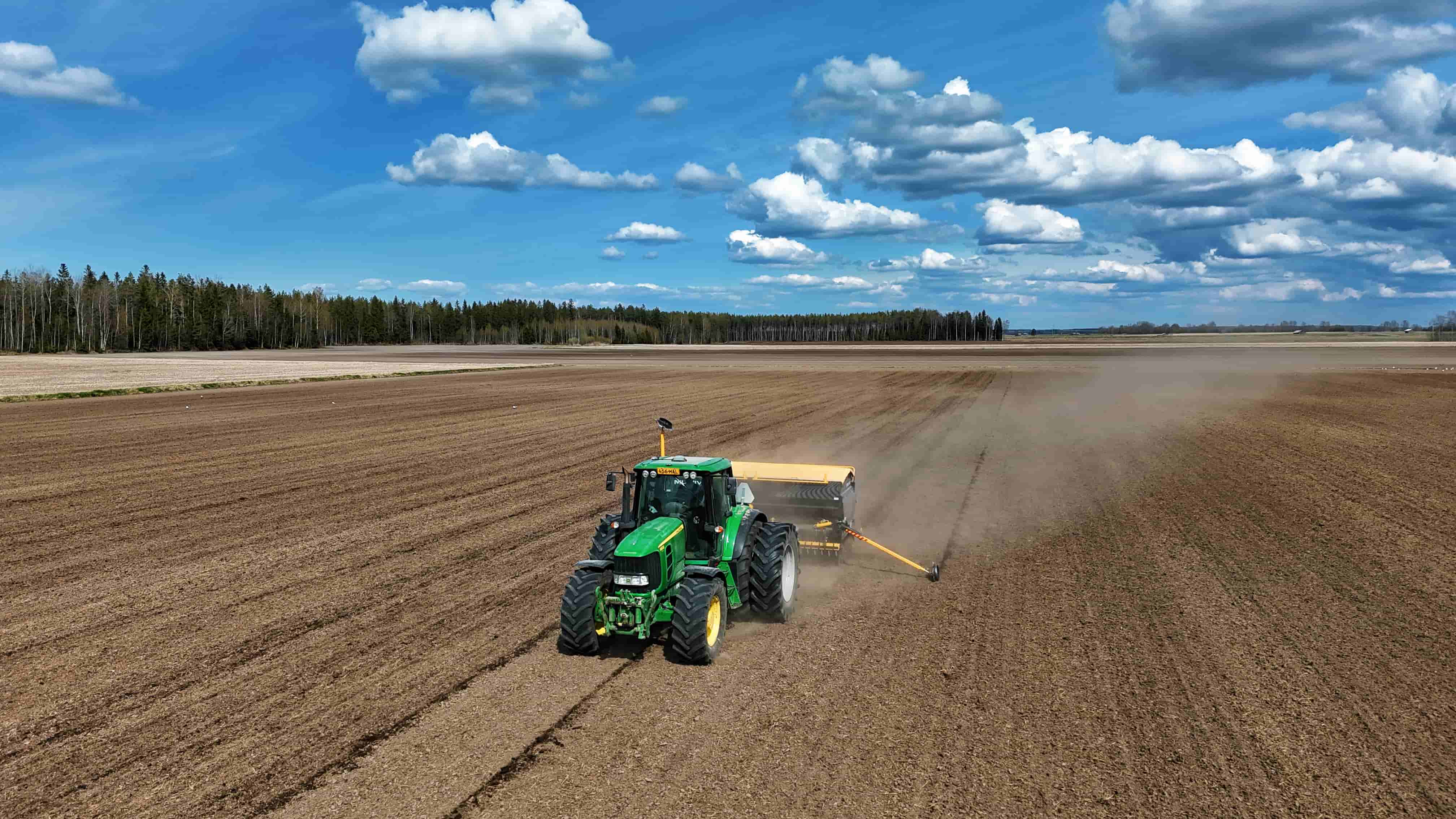
Absolutely! Investing in precision agriculture tools can lead to remarkable results. They significantly improve yield by allowing farmers to apply the right amount of resources where and when they are needed. A case in point occurred recently, when a local farmer decided to upgrade their irrigation system with smart sensors linked to weather forecasts. The result? They reduced water usage by a staggering 30% while boosting crop health. So, if you’re still unsure, consider the long-term benefits: healthier crops, reduced waste, and ultimately, better profits.
Looking to the Future
As we progress into the next decade, the role of precision agriculture tools will only become more pivotal. Innovations will likely focus on further integration of AI and machine learning—creating predictive models that can advise farmers in real-time. Just imagine a system where soil health, weather forecasts, and market demands converge seamlessly! By adopting these technologies, farmers can optimize their operations without the overwhelming manual labor that has characterized agriculture for centuries. Tools are evolving, and the benefits of a precision agriculture guidance system are becoming clearer by the day.
Real-World Impact of Precision Agriculture
As I look back, it becomes evident that the need for efficient farm management is only escalating. The adoption of precision agriculture systems has led to increased yield and sustainable practices across various regions. Simple, user-friendly interfaces are now a must for these tools to be valuable. For example, I recently observed a startup utilizing a combination of precision agriculture tools, resulting in not just healthier crops but also happier farmers who feel more in control of their processes. The future seems promising indeed!
Key Takeaways
In summarizing the advancements and challenges in precision agriculture, it’s clear that the right tools make all the difference. When evaluating these systems, consider three metrics: ease of use, data accuracy, and ROI potential. By focusing on these areas, you can effectively streamline operations while improving overall productivity. If you’re still on the fence, remember that every small upgrade can lead to larger gains down the road. Ultimately, I’ve witnessed firsthand the transformative power of EFIX precision agriculture solutions—making them an indispensable choice for forward-thinking farmers today.

