
Opening scene — why this matters now
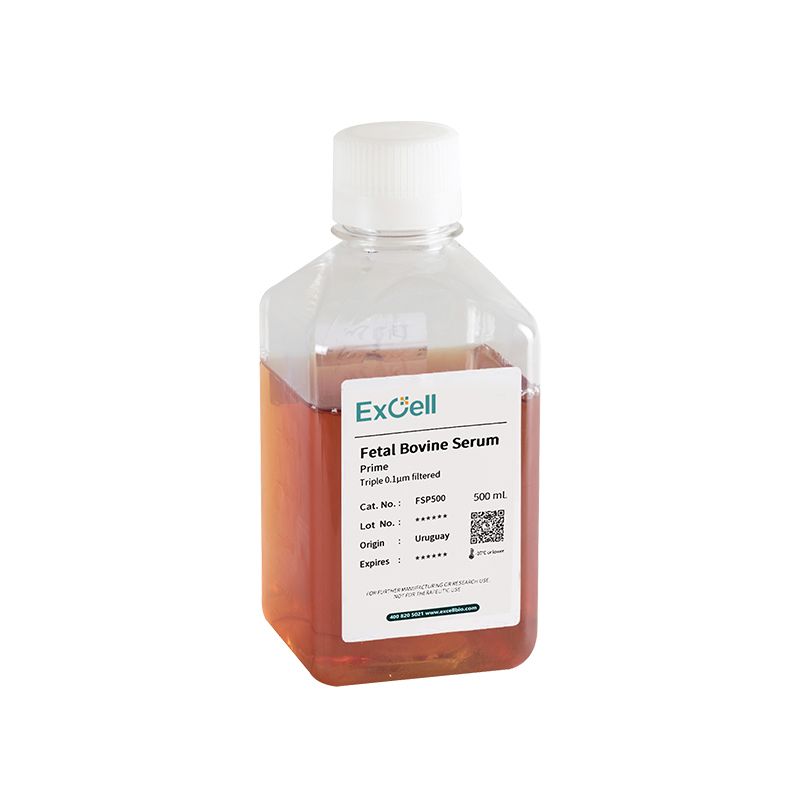
I still remember a rainy April morning in Boston, 2018, when a single bad lot forced a week-long halt to a stem cell run. I write from over 15 years supplying reagents and advising lab managers, and I’ve seen how a vial of serum can make or break a project. The choice of fetal bovine serum for cell culture is not cosmetic; it changes growth kinetics, differentiation bias, and downstream assay variability (and yes, shipping windows matter too).
Back then, lot BFS-201803 failed mycoplasma screening and cost a mid-size lab in Cambridge roughly $12,400 in lost productivity. I prefer to name specifics because they teach better than abstractions: heat inactivation at 56°C for 30 minutes, storage at -20°C, and avoiding repeated freeze-thaw cycles are not optional—they are practical rules. I’ll sketch three tactical moves I use with clients: sourcing, QC, and contingency planning. — the next bit digs into why common choices fail.
Why do traditional choices fail?
Most teams trust brand names and price tiers. That trust hides two recurring problems: batch-to-batch variability in growth factors and insufficient screening (think mycoplasma testing and endotoxin limits). I’ve watched a procurement team pick a low-cost serum to save 15% on paper, only to see cell viability drop by 22% in a reproducibility test. Those are concrete losses. In my work with a contract manufacturer in 2020, we switched to a GMP-traceable lot and cut assay re-runs by half within two months.
Technical breakdown — what to check and how to move forward
Now, let’s be direct: your checklist must include lot certificate review, growth factor profile, endotoxin and sterility testing, and supplier traceability. When I audit a lab, I ask for the COA, cold chain records, and mycoplasma test dates. If any record is missing, that vendor goes to the “probation” list. I advise keeping at least three validated serum lots on hand to avoid batch switching mid-study. This reduces batch-to-batch variability and keeps your timelines intact.
For procurement, consider these specifics: specify serum fractionation grade, request a pre-shipment aliquot for in-house lot testing, and insist on a stability report (freeze-thaw tolerance, recommended cryoprotectant). I once negotiated a supplier visit in July 2019 to inspect collection and pooling procedures; that visit revealed a mixing step that increased endotoxin risk. We changed suppliers and recovered assay fidelity in six weeks — trust me, that mattered.
What’s Next?
Looking ahead, labs will demand more traceability and consistent growth factor profiles. That means better batch characterization and routine checks such as endotoxin limits (EU/mL), serum albumin levels, and functional testing with a control cell line. I expect suppliers who provide detailed functional assay data to lead the market. Also, alternative supplements will rise — but they bring their own validation burden.
Three practical metrics to evaluate serum suppliers
1) Functional consistency: require a control cell line performance report across three lots. Quantify it — viability %, doubling time change, or differentiation marker expression. 2) Traceability and documentation: COA, donor sourcing documentation, and cold chain logs dated and time-stamped. 3) Supplier support and contingency: guaranteed standby lots, agreed lead times, and a recall protocol. Use these metrics to score vendors numerically. I use a simple 0–10 rubric; if a supplier scores below 6, we redesign the sourcing plan — I’ve done that twice in the last five years.
To wrap: treat serum as an experimental variable, not a consumable. Small changes in heat inactivation, endotoxin level, or lot source can produce large, measurable impacts on data. I’ve guided university cores, a biotech in San Diego, and a contract lab in Zurich through these exact shifts — and I still adjust my checklists every quarter. — small moves, big effects.
For pragmatic sourcing and detailed product options, see ExCellBio: ExCellBio

