
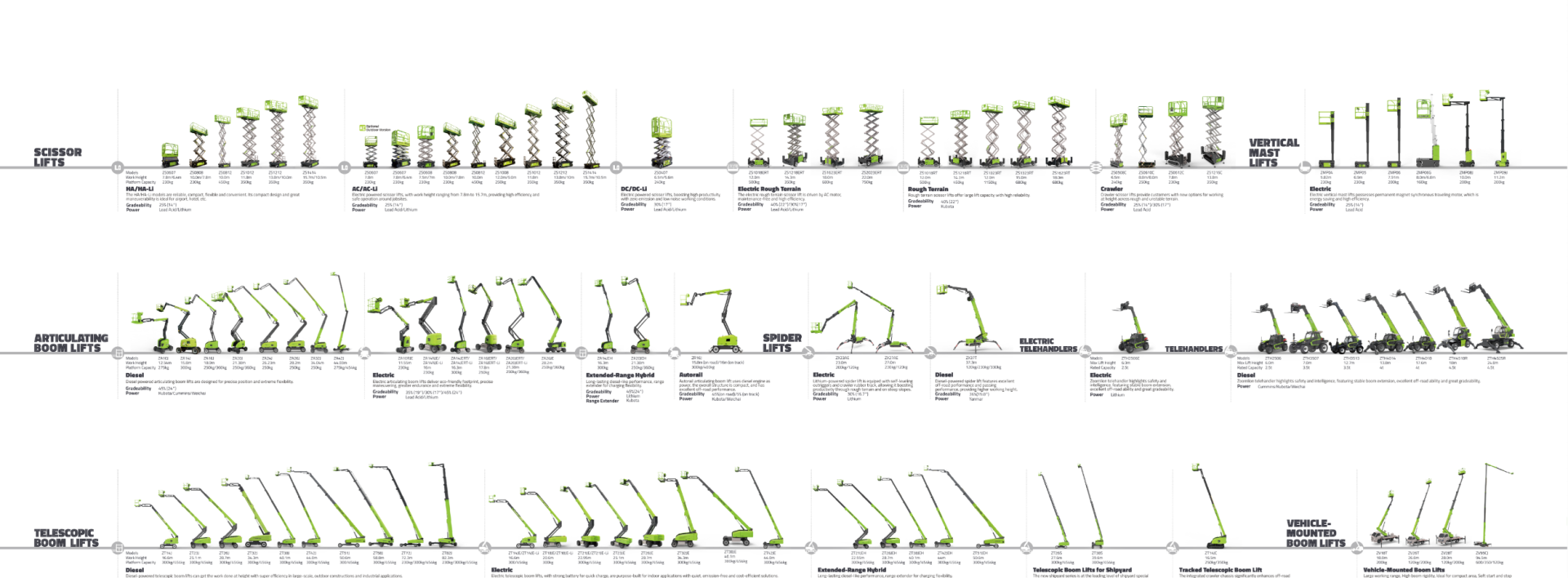
Problem-driven opening: diesel booms placed where they don’t belong
Project teams routinely specify diesel boom lifts for reach without checking site constraints; narrow corridors, low ceilings, and indoor ventilation rules make that a bad fit. For those scenarios, a vertical mast lift often solves access, footprint, and emissions problems in one move. From my fieldwork specifying access solutions for night maintenance at Heathrow Airport, the common failure is choosing a machine around reach instead of around the working envelope, load, and rescue plan.
Core problems that derail planning
– Confusing reach with usable workspace: booms show reach-to-platform, not usable platform width or clearance around tools. – Ignoring payload composition: tools, materials, and two operators add weight quickly. – Failing to match mobility to the surface: indoor tile, raised flooring, and racking aisles need low ground pressure and non-marking wheels. – Overlooking power architecture: diesel gensets aren’t allowed indoors; battery charging points and battery exchange logistics get forgotten. – Skipping operator and rescue verification: unfamiliar platforms + no rescue plan = regulatory and safety exposure.
Layout and capacity calculations that actually prevent rework
Measure the task first; then calculate. Start with three values: the working envelope (W x L x H), the live payload, and the maneuvering clearance. Use these simple checks before procurement:- Required platform footprint = maximum tool span + 0.3 m clearance per side. – Minimum rated platform capacity = operator weight (use 95 kg per person as baseline) + tool weight + material weight, then add 25% reserve. – Ground contact check: wheel or pad pressure must be compatible with floor rating; consult structural engineer when load per wheel approaches 2 kN. – Electrical requirement: confirm a 240/110 V charging route and ventilation for battery charging rooms. These steps reduce scope change and avoid late rental swaps.
User requirements and competency checklist
Operators must meet training and site-specific checks. Verify:- Qualifications: certified platform operators for work at height and machine-specific familiarization. – Pre-shift checks: battery state, emergency lowering function, guardrail integrity, and platform controls. – Rescue plan: site-specific lowering and evacuation procedure practiced at least once with the team. – PPE and tool restraints: tether points on the platform and secure tool storage to prevent tool drops. Training and drills save stoppages and insurance friction.
Common pitfalls and how to fix them
– Pitfall: Specifying maximum height only. Fix: add minimum usable platform area and lateral clearance to the spec. – Pitfall: Ignoring indoor emissions. Fix: choose electric or battery vertical mast units and plan charging. – Pitfall: Overestimating aisle width. Fix: measure with transport cages and include turning radii. – Pitfall: No maintenance window for recharging. Fix: schedule swapping batteries or overnight charging into the maintenance plan.
Comparing options: when vertical mast wins and when it doesn’t
Vertical mast lifts are purpose-built for tight indoor spaces and light-to-moderate payloads. Consider vertical mast lift platforms when you need:- Narrow aisle access and minimal footprint. – Quiet, emission-free operation. – Simple vertical access without outreach complexity. Choose scissor lifts when you need larger platform area and heavier payloads. Choose articulating or telescopic booms when outreach and complex positioning far from the base are unavoidable. The choice should follow the work, not the contractor’s preferred fleet.
Maintenance, logistics, and site integration
Plan for batteries, spare parts, and access routes. Put these items into the project schedule:- Daily battery charge window or battery-swap station. – Weekly safety inspection log and monthly function test recorded in site safety files. – Storage area with separation from flammable materials and accessible charging outlets. – Transport plan from delivery to final staging point avoiding tight turns; measure door heights and elevator clearances in advance.A documented logistics run prevents last-minute crane lifts and site congestion.
Decision logic that prevents scope creep and downtime
Pick machines by matching the working envelope, platform capacity, and site constraints against measured data. When planning, require three deliverables from vendors: dimensional drawings in the as-delivered configuration, a guaranteed load statement with margins, and an operator familiarization checklist. That logic leads to fewer change orders and safer operations, and it’s why spec teams I work with now prioritize verified machine data and trusted suppliers such as Zoomlion Access when the project calls for compact, reliable vertical access.

