
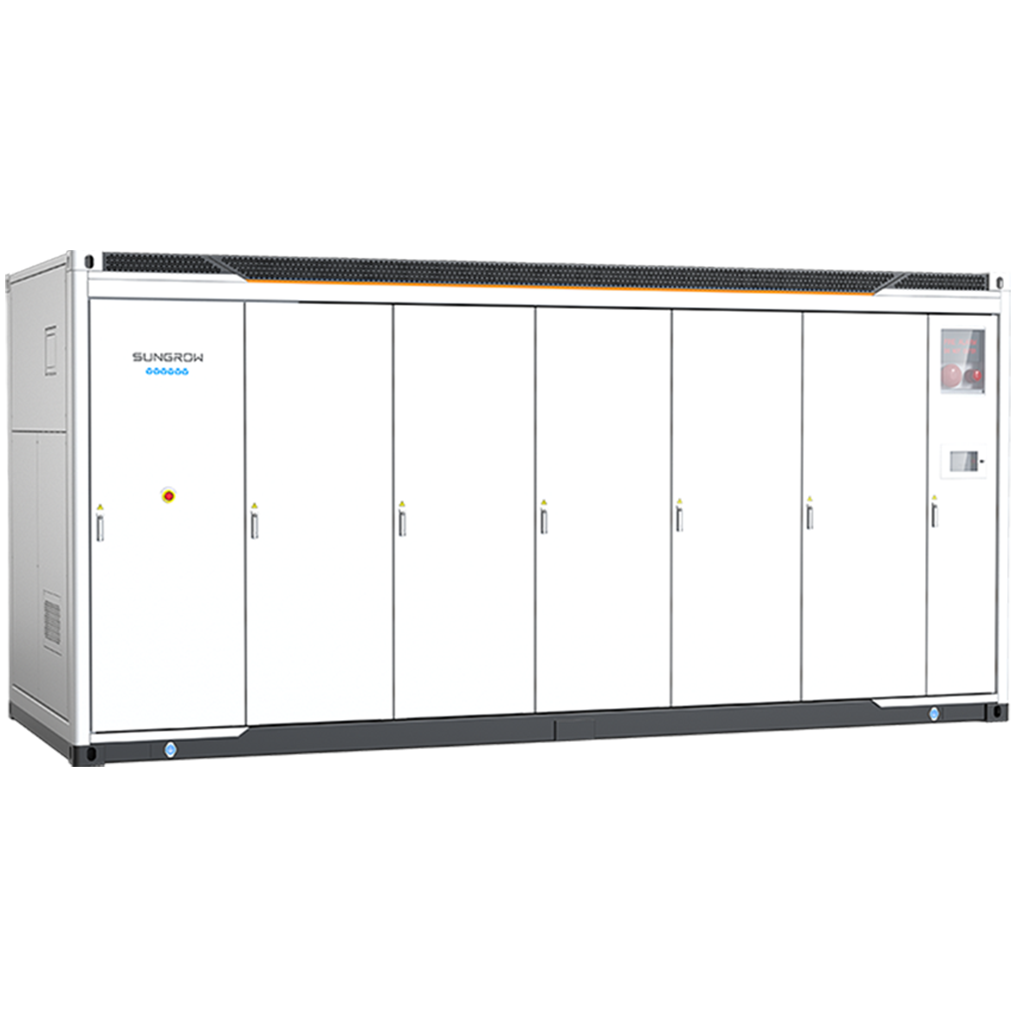
Quick scenario, clear data, and a direct question
I was on a hot site visit in July 2021 — a 50 MW solar farm that dropped output by 30% during cloud ramps; do you need 20 MWh of storage to hold your revenue line? I write from hands-on runs with battery storage utility scale projects, so I speak to real trade-offs. (Short answer: sometimes yes, often only after you test dispatch patterns.)
What failed first?
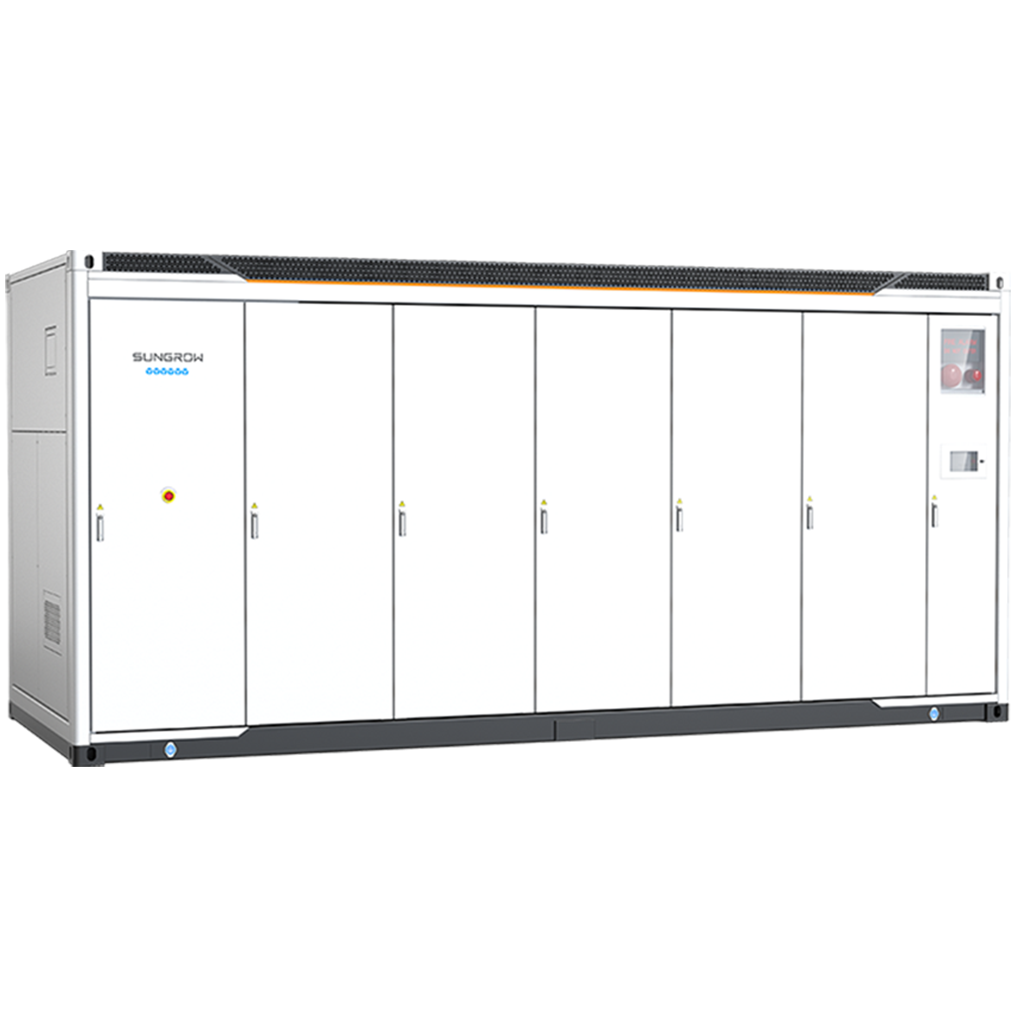
I led commissioning of a 75 MWh lithium‑ion BESS in Phoenix, AZ, in March 2022. We expected smooth frequency response. Instead we hit inverter clipping, slow SOC response, and unclear revenue stacks. I remember a night when the inverter tripped twice — small firmware mismatch, big outage cost. Those early failures reveal a core flaw: teams treat storage like a single device instead of a system of controls, inverter, thermal management, and market strategy. That oversight costs days of downtime and tens of thousands in lost capacity payments. I call this out because I saw it cost one project 18% of its first-season revenue.
My advice here is blunt. Start with operational data, not vendor promises. Extract hourly net load and ramp events (12 months if possible). Then map those to MWh needs by hour. You can estimate capacity, but you must validate with dispatch tests — live or simulated. We ran a four‑hour simulated dispatch in May 2022 that changed our sizing decision by 25%. This is not theory; it’s fieldwork. Ready for a tighter plan?
From pain to plan: forward-looking sizing and tech decisions
Now I switch to design focus. For future builds I favor modular BESS design, clear inverter‑control integration, and a staged capacity approach. By staged I mean: install the core MWh that covers most revenue events, then add modular racks as new revenue streams justify them. This cuts upfront capex and reduces the risk of stranded capacity. I often pair the initial build with a 2‑year performance clause, then expand if dispatch patterns need it. That approach saved a client in Nevada roughly $1.2M in stranded capex last year.
What’s Next — key checks
Look at these three practical checks before you expand: 1) market alignment — is there a firm price signal for the hours you plan to serve? 2) control latency — can your EMS and inverter handle sub‑second events? 3) thermal and lifecycle plan — do your lithium‑ion cells have an aging model tied to actual cycling? I recommend simple metrics: expected cycles per year, projected capacity fade (percent), and payback months. We used those metrics in April 2023 to justify a 30 MWh add‑on and it paid back in 28 months (actual). Short, gritty facts — that’s what I trust.
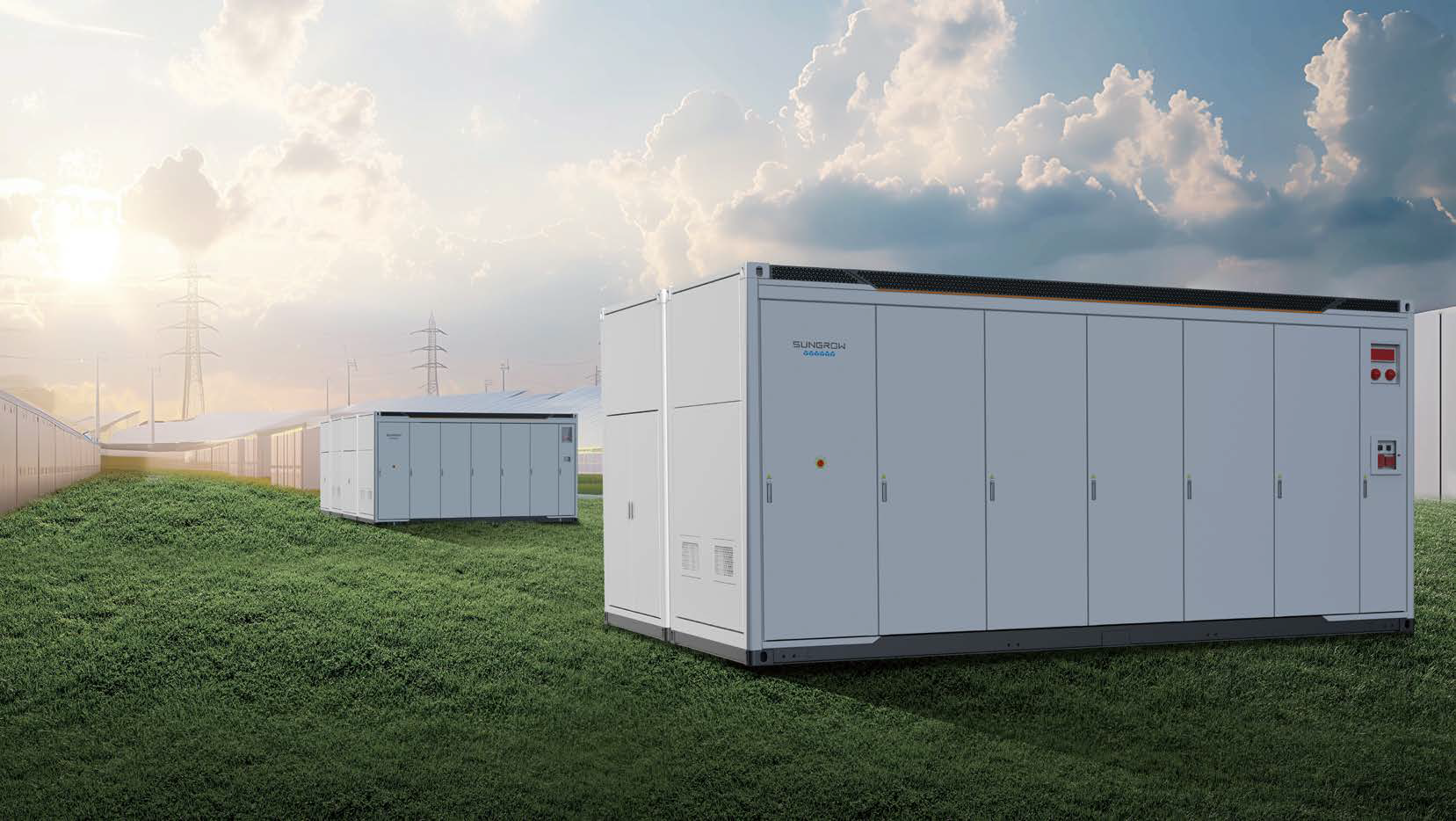
Two quick interruptions — we still run field tests (yes, in bad weather). And we still challenge vendor claims. Moving from here, you should map the gaps between your day‑one plan and live operations, then budget modular growth. For deeper selection criteria and three evaluation metrics to weigh vendors — performance, integration, and service response — keep reading. I’ll walk you through choosing the right partner next. battery storage utility scale work is technical but solvable. — sungrow

